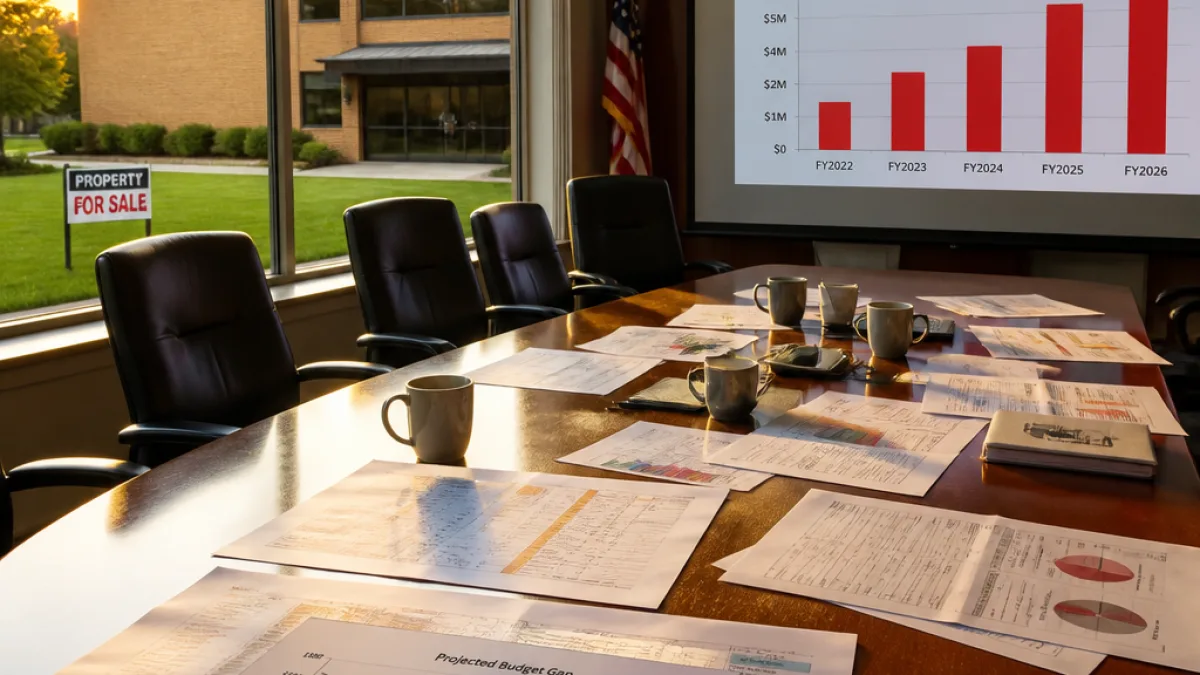
Ann Arbor — Ann Arbor Public Schools officials are continuing to prepare for deep program and staffing changes after projecting a $4.27 million gap for the coming school year, and district leaders say the legislature’s recent education package does not erase the need for local cost reductions.
District officials digest the new state budget
School administrators have been examining details of the recently approved state education budget to determine how local revenue projections will shift. The Michigan Legislature passed a roughly $22.9 billion education package for 2026-27, which includes statewide increases in per-pupil funding and targeted investments, but Ann Arbor officials say the package does not resolve the structural pressures facing the district.
In a statement this week, district spokesperson Andrew Cluley said AAPS is still evaluating the budget’s effects. He added that current indications do not remove the need for measures such as:
- land and building sales to raise revenue;
- vendor contract cost control to reduce operating expenses;
- right-sizing staffing to better match personnel to enrollment; and
- school and program consolidation to lower district-wide costs.
What the state package contains
The statewide budget includes a 2.5% increase in per-pupil funding (about $250 per student), along with millions earmarked for literacy, mental health, school safety, educator compensation and special education supports. The package lists:
| Program | Funding |
|---|---|
| Per-pupil increase | 2.5% (~$250/student) |
| Literacy and academic support | $502 million |
| Mental health and safety grants | >$300 million |
| One-time educator compensation | $150 million |
| Special education supports | $123 million |
Gov. Gretchen Whitmer has not yet signed the bill; she will have two weeks after it reaches her desk to act.
Local numbers and next steps
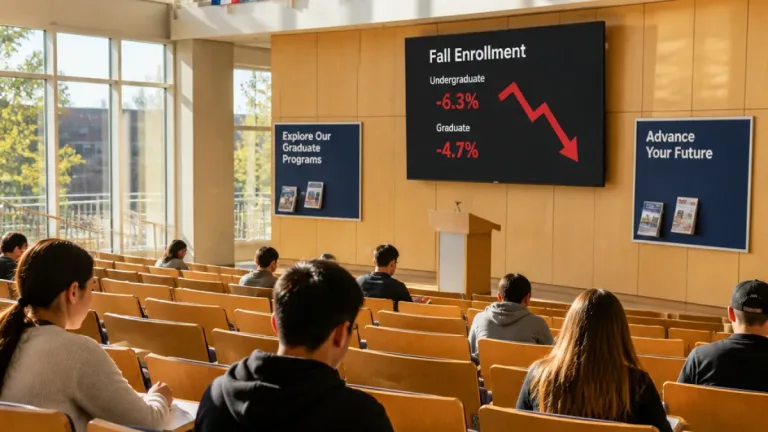
Chief Financial Officer Anté Britten told school trustees the district’s expected revenue for 2027 stands at about $312.8 million, while planned spending could exceed $317 million. Those projections already factor in the 2.5% per-student increase and anticipate a fall enrollment decline of about 175 students.
“At this time, it does not appear to significantly change the need for the district to look at land and building sales,”
The district faces choices that will affect classrooms and neighborhoods: whether to consolidate facilities, alter staffing levels, or sell property to shore up finances. School budgets must be finalized by the end of June, though state budget delays have complicated planning this year.
Local leaders say even with modest gains in state dollars, long-term financial stability will require difficult decisions to keep teacher pay competitive while maintaining essential programs and services. Administrators are expected to continue presenting options to the school board in the coming months as they reconcile updated state funding figures with local expenditure projections.
Community members can expect more public discussions as the district moves toward formal budget decisions and possible ballot requests, including a planned Aug. 4 request to renew a sinking fund that will be part of the broader conversation about how to sustain buildings and programming.
The district is urging residents to follow forthcoming budget briefings and public meetings to understand potential impacts on classrooms, extracurriculars and neighborhood schools.