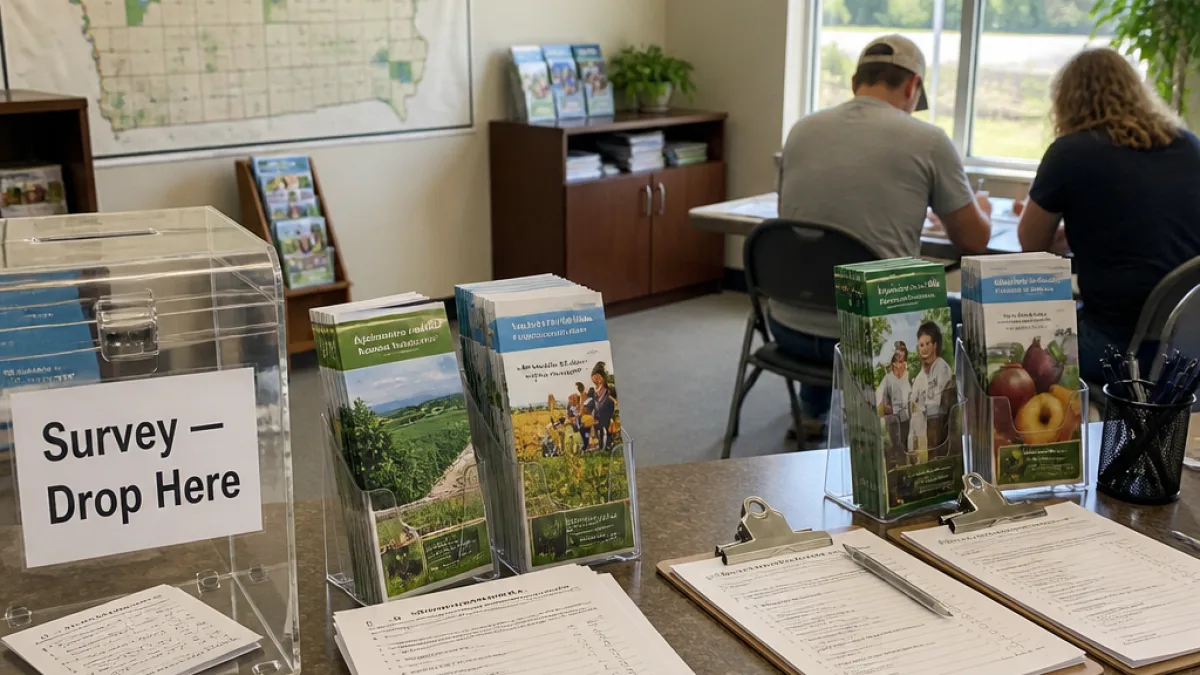
Iowa State University's Extension and Outreach office has launched a brief, anonymous survey aimed at residents across northwest Iowa to better understand local needs and how the university can deliver research-based programs more effectively.
What the survey will cover
The effort is part of the 2026 Rising Star Internship program, which places ISU students in rural counties to assist with community development and outreach. The survey asks respondents about:
- Awareness of ISU Extension and Outreach services;
- Preferred ways to receive information;
- Topics residents would like to see, including agriculture, youth development, health and nutrition, and community leadership.
Rising Star intern Megan Burket is leading the project in partnership with county staff. She said the feedback will be used to modernize marketing materials, improve accessibility and strengthen long-term outreach.
"Hearing directly from community members is essential," Burket said. "Your feedback helps us understand what matters most and how we can better support northwest Iowa."
How to take part and why it matters
The survey is open to all residents and is intentionally short. Participants can complete it online or pick up printed copies at local Extension offices, libraries and community events through the summer. Results will guide future communication strategies and help county offices better connect with the people they serve.
| Item | Details |
|---|---|
| Who can participate | All northwest Iowa residents |
| How to respond | Online at go.iastate.edu/SURVEY or via printed forms |
| Survey closes | July 30, 2026 |
For rural counties in Iowa, Extension programs often serve as a bridge between university research and everyday decisions on farms, in classrooms and at community boards. This survey is a chance for residents to shape which services arrive locally and how they are shared.
County Extension offices are encouraging participation throughout July, noting that even a small number of responses can highlight gaps in awareness or access and point to practical fixes that strengthen local programming.