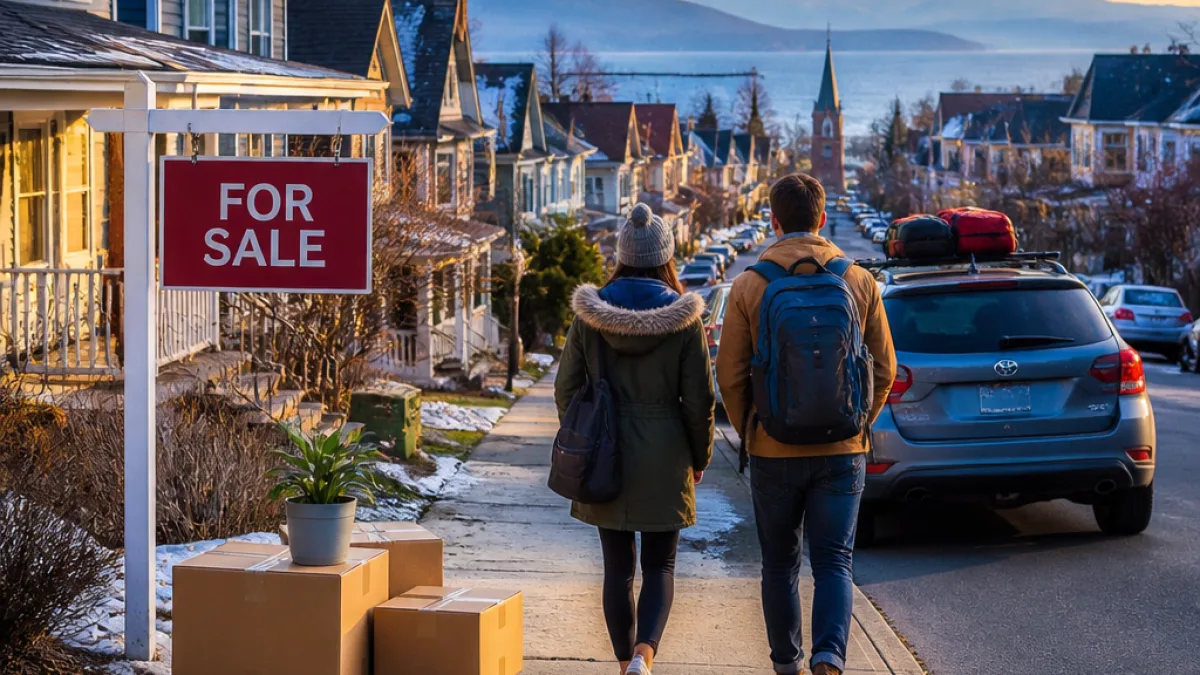
Vermont is facing growing out-migration pressure as nearly four in 10 residents say they are likely to leave the state within the next five years, according to a report released July 7 by the University of New Hampshire's States of Opinion project.
The survey frames affordability as the primary reason residents are considering departure: only 13% of respondents rated Vermont as an affordable place to live, while 86% said it is not — a gap that grew about 6 percentage points compared with the 2024 survey.
Who is most likely to go
Age is the strongest predictor of who plans to leave. The findings show that younger adults expressed the greatest inclination to move.
- Nearly two-thirds of adults aged 18 to 34 said they are very or somewhat likely to leave the state within five years.
- By contrast, 24% of people aged 65 and older reported being very or somewhat likely to move within that same period.
- When asked about moving at any point in their lifetimes, 60% of those 18 to 34 said they would definitely or probably relocate, compared with 17% of those 65 and older.
Among respondents who said they were very or somewhat likely to leave in the next five years, the most commonly cited motivations were cheaper housing or a lower cost of living (61%), lower taxes (50%) and seeking a different political or social environment (36%).
Regional differences in perception
Views of Vermont’s livability varied by region. Respondents in Chittenden County — home to Burlington and the state’s largest population center — expressed the most favorable views, with 69% rating the state as a "very good" or "good" place to live. Central Vermont registered 62% favorable and Southern Vermont 65% favorable.
| Region | Percent rating VT "very good" or "good" |
|---|---|
| Chittenden County | 69% |
| Central Vermont | 62% |
| Southern Vermont | 65% |
What this means for communities
The findings point to continuing concerns about housing affordability, taxes and the broader cost of living — issues that influence workforce stability, school enrollments, local business viability and municipal tax bases. The rise in the share of residents saying they plan to move — up about 8 percentage points from 2024 for those likely to leave within five years — suggests the state may face mounting demographic and economic pressure if those intentions translate to actual moves.
The report, part of UNH’s ongoing States of Opinion project, captures attitudes at a time when policymakers and local leaders are weighing strategies to retain residents, expand affordable housing, and address cost-of-living pressures.
Officials and agencies will likely use the data as they craft responses, but the survey itself does not identify which specific policy changes respondents prefer. For residents, the findings underscore the role that housing costs, taxes and broader affordability play in decisions about whether to remain in Vermont.
As Vermont communities evaluate the survey, planners and elected officials will face pressure to translate these perceptions into measurable actions that address younger residents' concerns if the state is to slow potential out-migration.
Survey data reported by the University of New Hampshire's States of Opinion project, published July 7.