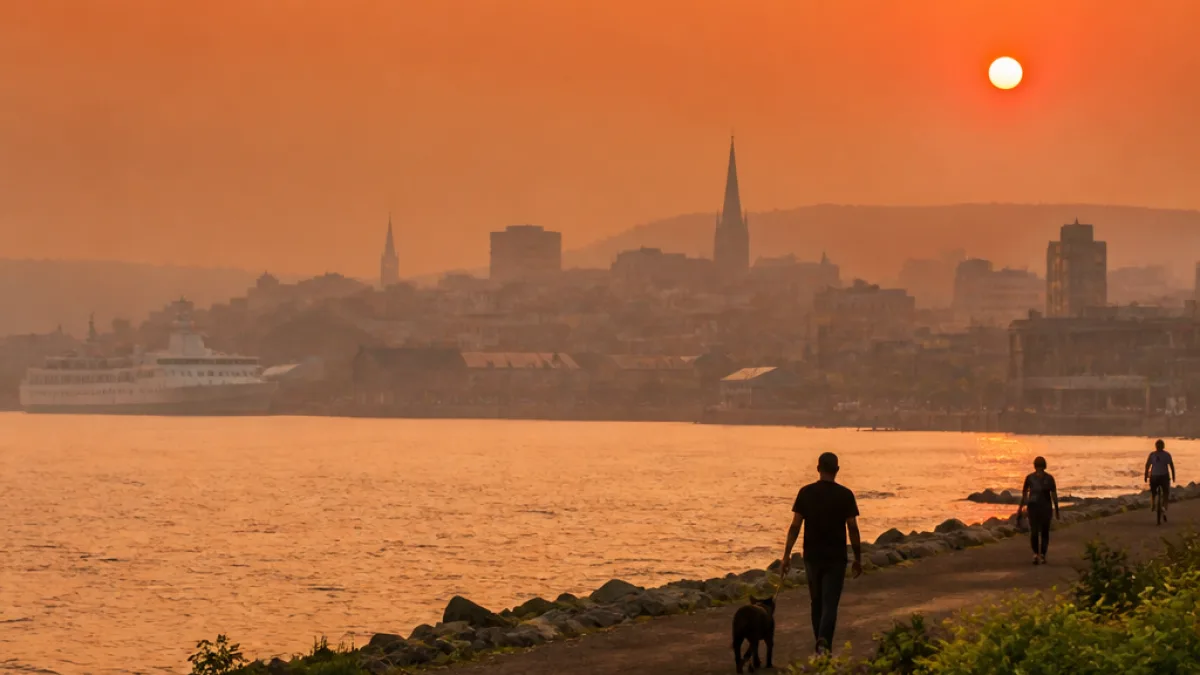
Vermont residents should expect another day of hazy skies and an unusual red sun as smoke from Canadian wildfires continues to drift into the region, the National Weather Service said Wednesday.
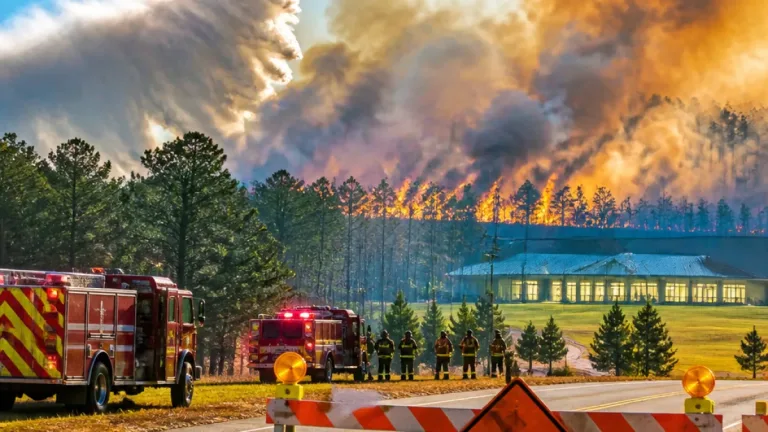
More than 800 wildfires burning in Canada have pushed smoke southward, creating visible haze across Vermont and other parts of New England, according to NWS meteorologist Marlon Verasamy.
What residents are seeing and why
The smoke particles are scattering sunlight, producing a distinctly reddish or dark orange sun instead of the typical yellow appearance. That same scattering is responsible for the widespread haziness that has reduced visibility at times across the state.
Marlon Verasamy, National Weather Service: "Expect even more hazy skies due to the smoke. It wouldn't be surprising if we see another red sun."
Air quality and who is affected
The current air quality across Vermont has been classified as moderate. Under this designation, health impacts are possible for some groups:
- Children and small pets may be more sensitive to prolonged outdoor exposure.
- People with asthma or other respiratory conditions may experience breathing difficulties if outside for extended periods.
Officials advise that people pay attention to how they feel if they must be outdoors and to consider limiting prolonged or heavy exertion outside if they are in a sensitive group.
| Air quality | Meaning (from NWS report) |
|---|---|
| Moderate | Children, small pets and people with asthma may experience breathing trouble with prolonged outdoor exposure. |
Regional context
The haze and red sun have been reported across New England, including parts of Massachusetts and New Hampshire, as the smoke plume travels from the large number of Canadian fires that began late last week. Forecasters say the pattern could continue, with additional days of smoky skies possible while the fires remain active.
Residents concerned about local air quality can check real-time conditions through the Vermont Department of Environmental Conservation and AirNow, and follow guidance from health professionals if they or family members experience respiratory symptoms.
Reporting from the state capital, this account reflects National Weather Service guidance and regional observations; officials continue to monitor the evolving situation.