Marker recognizes era when baseball drew the city together
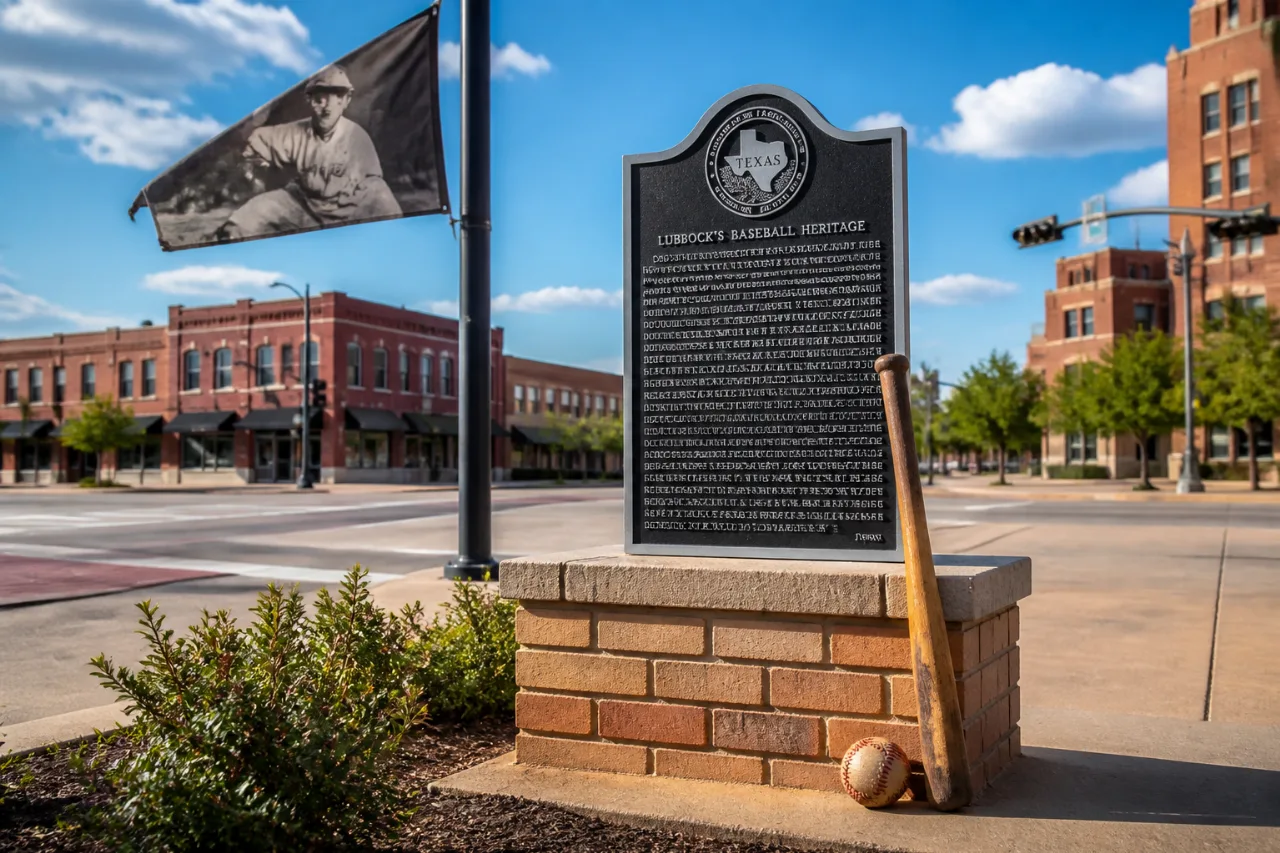
The Lubbock County Historical Commission will unveil a Texas Historical Marker at 10 a.m. Saturday at the northeast corner of University Avenue and Baylor Street, acknowledging the long-running role of the Lubbock Hubbers and the city’s first African-American semi-pro club, the Black Hubbers, in the community’s sporting life.
"Professional baseball came to Lubbock in 1922"
Organizers say professional baseball first arrived in Lubbock in 1922 when the Hubbers — named for the city’s role as a transportation hub — began play. By 1928, the Black Hubbers had formed as the city’s first African-American semi-pro team. Both clubs captured championships and local acclaim over the decades that followed.
Local fields, shared public life
Beginning in the 1930s, the Hubbers played at a ballpark near College Avenue at 2nd Street, close to where the marker will stand. That original ballpark has since been demolished, but the marker and its placement aim to reconnect residents to the physical site where generations gathered.
- 1922 — Professional baseball arrives in Lubbock with the Hubbers.
- By 1928 — The Black Hubbers, Lubbock’s first African-American semi-pro team, forms.
- 1930s onward — The Hubbers play at a ballpark near College Avenue and 2nd Street; the site later is demolished.
| Year | Event |
|---|---|
| 1922 | Hubbers begin professional play in Lubbock |
| 1928 | Black Hubbers established |
| 1930s | Team plays at College Ave. & 2nd St. ballpark |
The Lubbock County Historical Commission, working with the Texas Historical Commission, said the marker is part of a broader effort to preserve and promote the county’s real places and people. The LCHC has installed more than 70 Texas Historic Markers across Lubbock County, each intended to anchor local memory to specific sites.
Why this matters for Lubbock and the region
For decades, baseball fields in Lubbock operated as social hubs where residents of varied backgrounds came together — attending games, forming civic ties and building local identity. Recognizing both the Hubbers and the Black Hubbers places the city’s sports history in a fuller context, reflecting the contributions of African-American players and teams in a segregated era and the ways sports served as community glue.
The unveiling offers residents and visitors an opportunity to reflect on a vanished ballpark’s role in civic life and to preserve the memory of teams that once drew crowds across the city and region. The marker’s presence at a visible intersection near the former ballpark site restores a public reminder of that history.
The dedication ceremony is scheduled for Saturday at 10 a.m. at University Avenue and Baylor Street. The commission and the state marker program say the plaque and its text will help tell the stories of the Hubbers and Black Hubbers to future generations.
By highlighting local sports history, the marker also contributes to Lubbock’s broader cultural heritage efforts and the county’s inventory of historic sites.