
The Oakland Zoo has taken in a rescued tiger named Sitara, and local visitors may be able to see her on limited schedules as she adjusts to a new life in the East Bay.
Sitara, an estimated 13-year-old female, arrived at the zoo as one of five tigers rescued in partnership with People for the Ethical Treatment of Animals (PETA) from the now-closed Barry R. Kirshner Wildlife Foundation in Oroville, Butte County. The zoo said she is recovering from some lameness in a hind leg but has otherwise remained strong since the rescue.
What changes for visitors
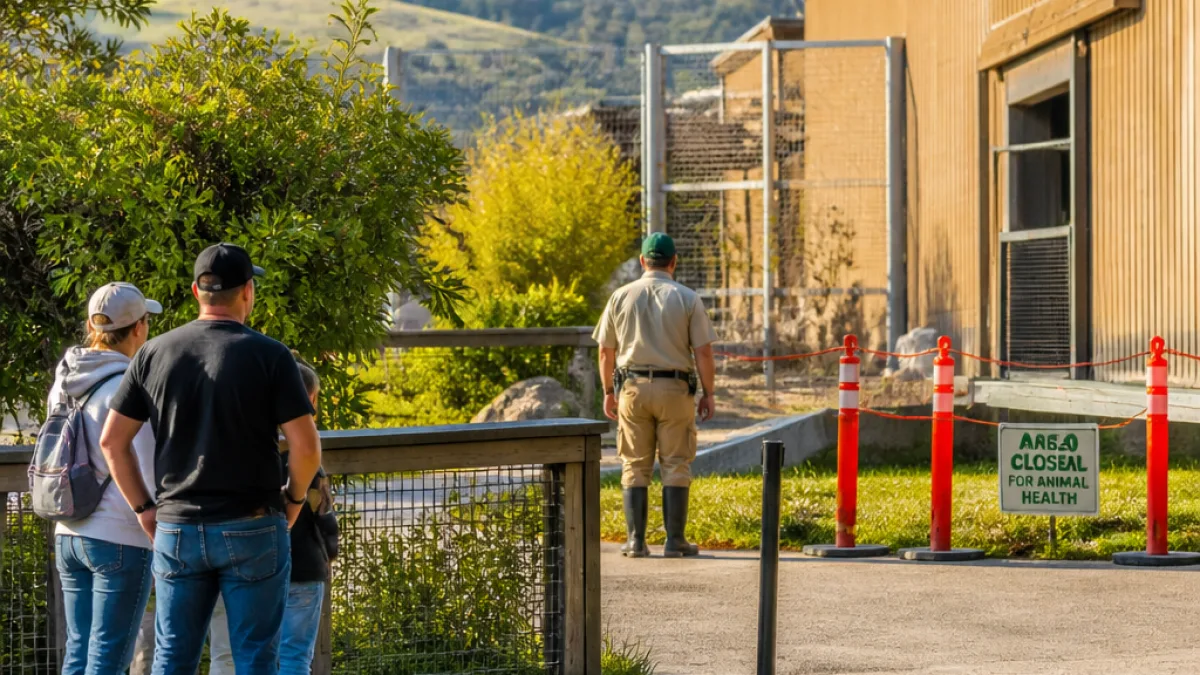
The tiger is finishing her initial quarantine and currently has access only to her night house and a small outdoor enclosure away from the public. Zoo officials said she will be introduced to the rest of her new habitat in the coming weeks. Once she has broader access, the exhibit offers features Sitara has never experienced before, including pools, a waterfall, raised platforms and vegetation.
- Short-term: Sitara remains in quarantine with limited, non-public outdoor access.
- Near-term: gradual introduction to the full tiger habitat; limited public viewing possible in the next few weeks.
- Longer-term: Sitara will have access to a habitat designed for tiger welfare; the zoo is open to adding more tigers in the future.
"She used to be in a very small space, a cage, and only knew cement, dirt," said Isabella Linares, a spokesperson for the Oakland Zoo. "It's going to be the first time she's ever accessed grass and a habitat that is suited to her needs. It does get really emotional when we see them go on habitat and it means so much."
Context and past animals
The zoo’s tiger habitat had been unoccupied since two previously rescued tigers, Mia and Lola, died earlier this year. Officials say Sitara’s arrival is part of ongoing work to respond to wildlife exploitation and to provide sanctuary for animals coming from inadequate facilities.
| Item | Status |
|---|---|
| Origin | Barry R. Kirshner Wildlife Foundation, Oroville (now closed) |
| Number of tigers rescued in this transfer | Five (Sitara is one) |
| Sitara's health note | Some hind-leg lameness; otherwise reported strong |
| Current public access | Night house and small non-public outdoor enclosure |
What this means for the community
Residents who visit the zoo should expect limited viewing opportunities while staff monitor Sitara’s adaptation and recovery. The zoo is balancing animal welfare and public interest; any viewing will follow quarantine protocols and animal-care guidance. The arrival highlights continuing efforts by the Oakland Zoo and animal-welfare partners to rehome animals from closed roadside facilities.
Officials declined to provide a specific date for when Sitara will be routinely visible to guests, saying the timeline depends on her health and behavior as she moves into the full habitat. The zoo also indicated it remains open to accepting additional tigers in the future as part of its mission-driven response to wildlife exploitation.
Oakland visitors can check the Oakland Zoo’s official channels for updates on Sitara’s status and viewing opportunities in the coming weeks.