TOPEKA — The operator of the Keystone Pipeline system would pay a $26.9 million civil penalty and invest roughly $40 million in pipeline integrity work under a proposed settlement to resolve federal and state allegations tied to a December 2022 rupture in rural Washington County.
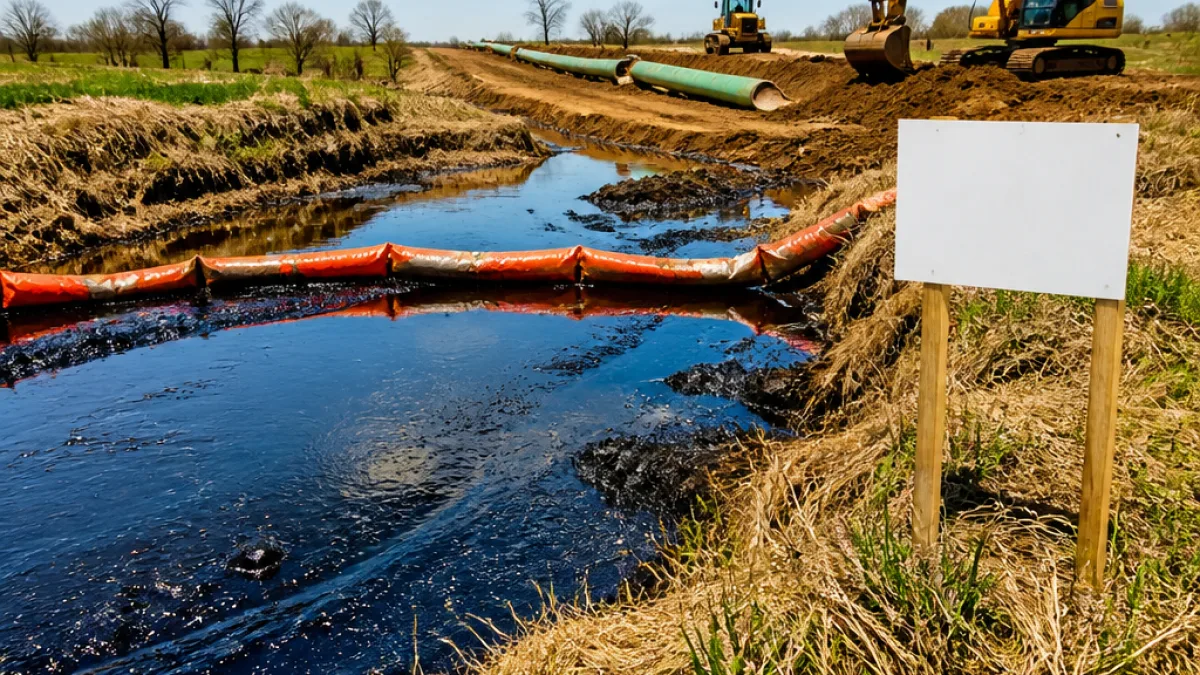
The spill released nearly 13,000 barrels of heavy crude into a creek that runs through pastureland about 150 miles northwest of Kansas City. The U.S. Environmental Protection Agency and the State of Kansas contend the company violated federal and state clean water laws; the proposed consent decree was filed Friday in U.S. District Court in Kansas.
What the agreement would require
Under the proposed decree, the pipeline operator, South Bow, would:
- Pay a civil penalty of $26.9 million to the U.S. government.
- Fund about $40 million in measures intended to prevent future pipeline accidents.
- Provide Kansas with more than $3 million for environmental restoration projects associated with the spill.
"The oil spill blanketed land and water, rendering the waterway lifeless and useless and requiring extensive cleanup and remediation,"
The quoted statement came from Jeffrey Hall, the EPA assistant administrator for enforcement, who said the penalty reflects the seriousness of the environmental harm.
Scale and context of the accident
The rupture in December 2022 was among the largest onshore crude pipeline spills in the U.S. in recent years. The volume released was large enough, regulators noted, that it would have nearly filled an Olympic-size swimming pool and exceeded the cumulative volume of previous incidents on the same pipeline system.
| Item | Amount |
|---|---|
| Crude spilled | ~13,000 barrels |
| Civil penalty proposed | $26.9 million |
| Planned integrity spending | ~$40 million |
| Kansas restoration funds | >$3 million |
Company response and next steps
South Bow, a Canada-based operator spun off from the original pipeline builder, said in an emailed statement that it "proactively" led the response to the spill and completed comprehensive environmental remediation in February 2024. The company also reported it has since conducted more than 12,000 miles of inspections and performed about 400 excavations to examine and repair pipeline segments.
The proposed consent decree will not take effect until a federal judge approves it, and the filing initiates a 30-day public comment period. Members of the public, affected landowners and local officials can submit comments to the court and to the agencies before the judge considers final approval.
Local implications
For residents in Washington County and surrounding areas, the settlement could mean funding for restoration of waterways and habitat harmed by the spill. It also signals federal and state emphasis on stronger oversight and preventive work on aging pipeline infrastructure that crosses Kansas farmland and waterways.
Regulatory enforcement in this case highlights questions landowners and county officials have raised about pipeline safety, response times and long-term monitoring after major releases. The proposed spending on integrity measures is aimed at reducing the likelihood of similar incidents on the Keystone system.
If approved by the court, the settlement will conclude this round of federal and state enforcement actions but could be followed by continued monitoring, additional remedial projects and scrutiny from local regulators and congressional offices that have tracked the spill since 2022.
Reporting for this story includes statements filed by the U.S. Environmental Protection Agency and an emailed comment from South Bow. The proposed decree now moves into a public-comment and judicial review period in U.S. District Court in Kansas.