Vermonters who wonder what difference knowing local history makes may find the answer in how it shapes personal and civic identity, according to a historian whose new weekly column will run across the state through 2026 as part of the nation’s semiquincentennial.
J. Kevin Graffagnino, a historian who lives in Essex and has worked with the Vermont Historical Society and the University of Vermont Library Special Collections, says the stories people inherit from family and community give people a sense of who they are and what they value.
Roots that shape identity and choices
“The more you know about your family, the more you pay attention to the stories your elders told,” Graffagnino writes, arguing that personal and family memory acts as an anchor. For many Vermonters, those anchors are village histories, farm records, diaries, photographs and local anecdotes that help explain why a town’s landscape, institutions and civic norms look the way they do today.
"This is who I am, this is what I stand for, these are the things I value."
Understanding that context can affect everyday choices — from how people participate in town government to how they weigh preservation of farms and historic buildings. The column’s weekly run — carried in The Times Argus, Rutland Herald and The World through 2026 — is timed to a period when many communities are reflecting on the state’s past as part of national 250th anniversary observances.
What Vermonters can do with this history
Graffagnino’s work highlights practical ways residents can connect with the past. He has a doctorate in history and a long career working in libraries, special collections and historical societies; his perspective emphasizes both scholarly sources and everyday memory.
- Talk with older family members about stories, places and traditions.
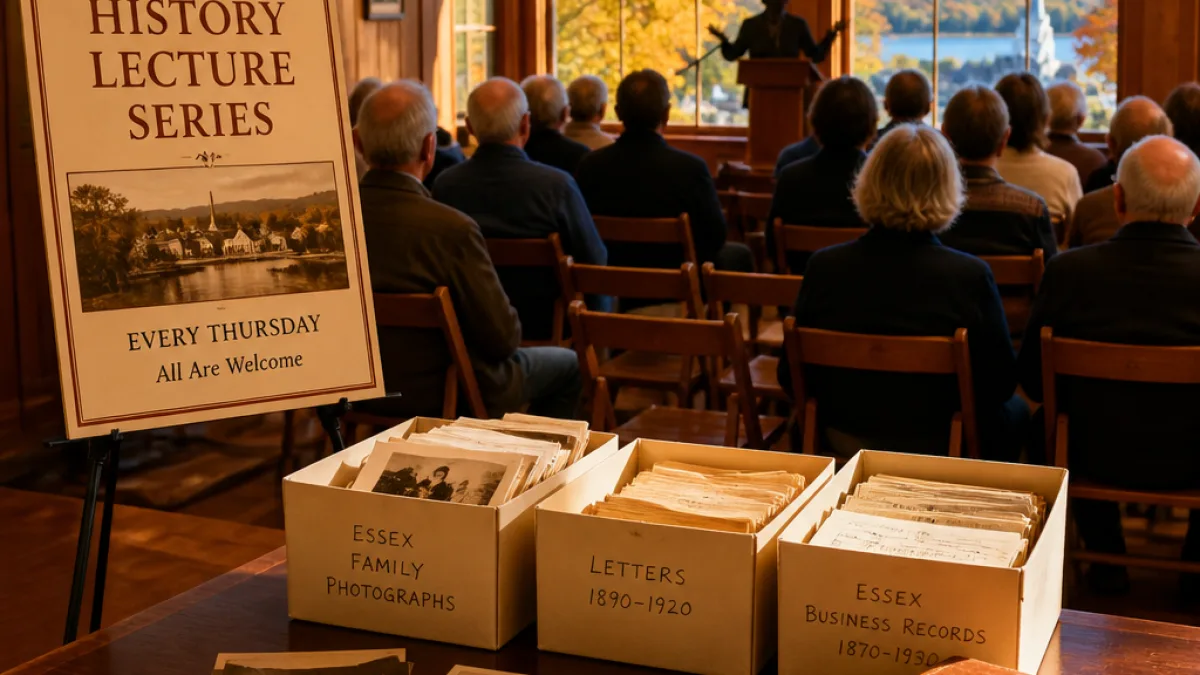
- Visit local historical societies, town clerks’ offices and library special collections.
- Donate or digitize family photographs and documents to preserve them for future generations.
Those steps are not only about nostalgia, Graffagnino contends. They create a more complete picture of how communities evolved — and why certain decisions and values persist.
Background on the author and the column
Graffagnino has authored several books about Vermont and taught widely on U.S. and state history. His column, titled "Why Vermont History Matters," will appear weekly and intends to distill themes he uses in public talks across the state. Readers can expect essays that blend family-level storytelling with institution-level historical context.
| Item | Detail |
|---|---|
| Author | J. Kevin Graffagnino (Essex) |
| Where it appears | The Times Argus, Rutland Herald, The World |
| Duration | Weekly through 2026 (part of semiquincentennial) |
For Vermonters interested in exploring this further, local historical organizations and town archives are the best starting points. They can offer records, referral to regional specialists and opportunities to participate in oral-history projects. As communities mark statewide anniversaries, those resources will likely host events and exhibits that make local history tangible.
Connecting personal memory to documented history, Graffagnino argues, strengthens civic engagement and helps Vermonters decide what to preserve and why. That, in turn, shapes the stories future generations will inherit.