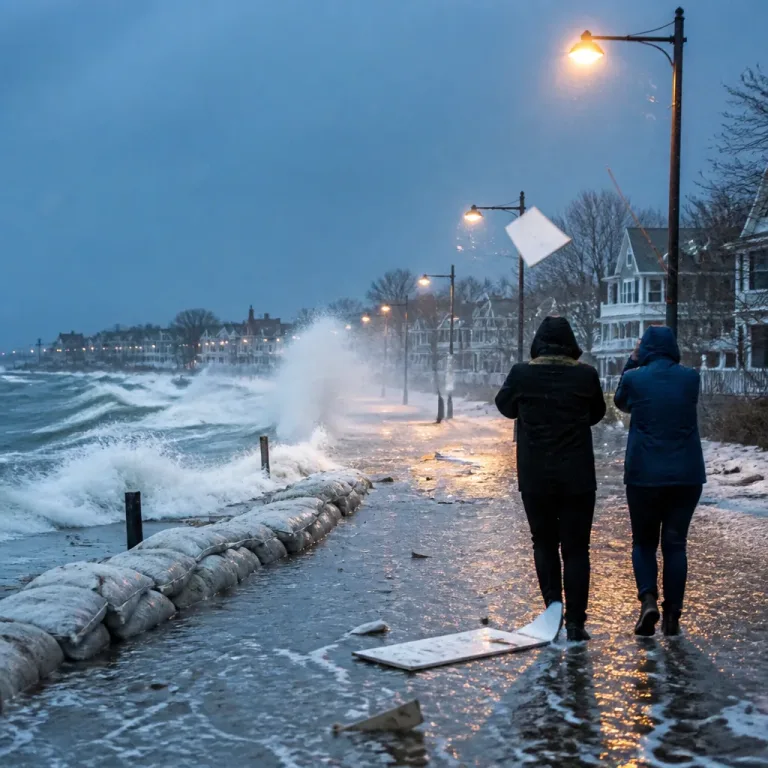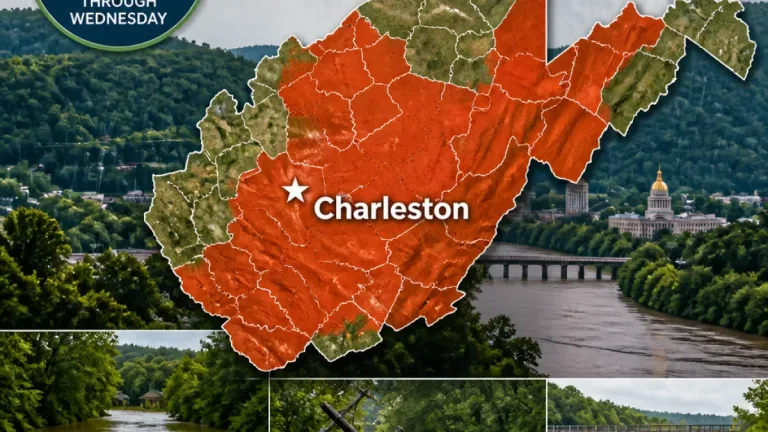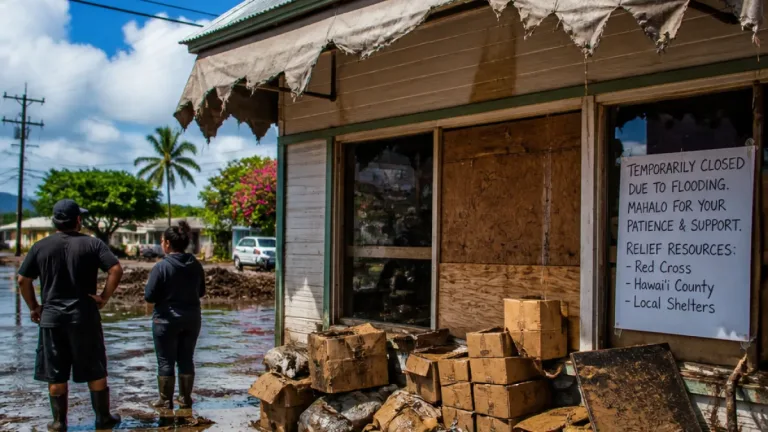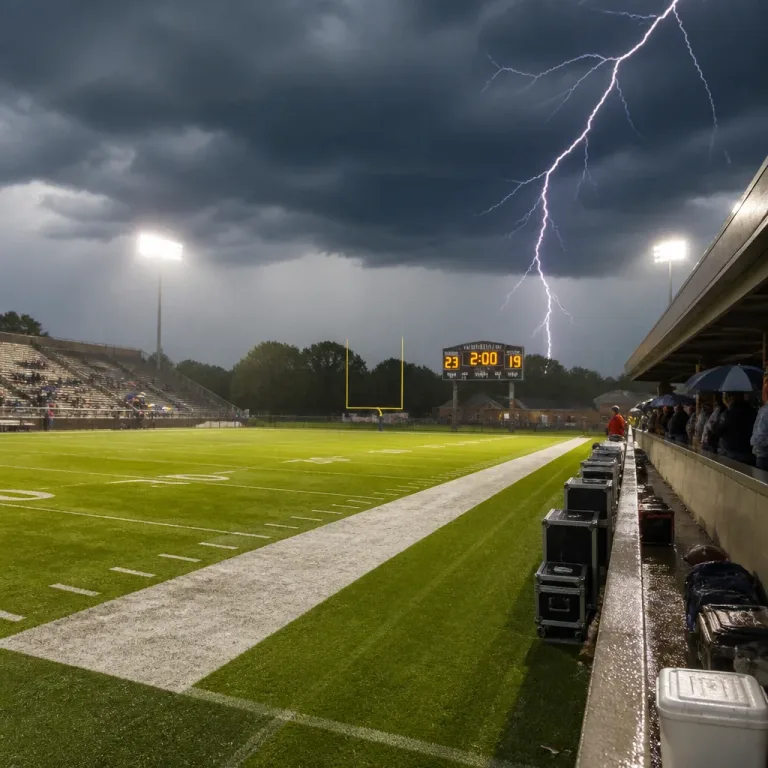

Emergency personnel across Central Missouri are intensifying swift-water and boat rescue training to respond to more frequent flash-flood incidents tied to increasing heavy rainfall. Fire chiefs and state climatologists say preparations are shifting as storms that drop several inches of rain in hours become more common.
Rising rainfall, changing risks
Missouri historically averages about 40 inches of rain per year, with most precipitation arriving between April and October. But State Climatologist Zack Leasor says the state has seen a rise in high-intensity daily events — notably storms producing more than 3 inches in 24 hours — over the past 30 years. Such concentrated downpours are a key contributor to flash flooding when soil and drainage cannot absorb runoff quickly.
| Metric | Detail |
|---|---|
| Average annual rainfall | ~40 inches |
| Noted risk months | April–October |
| High-intensity threshold | 3+ inches in 24 hours (increasing) |
How emergency response has shifted
Columbia Fire Chief Brian Schaeffer said water rescues were once an uncommon assignment for local firefighters; today they are increasingly routine. Departments are investing in boat teams, personal protective equipment, and training that emphasize rapid deployment during flash floods — when people and vehicles can become trapped in rushing water within minutes.
"It's gotten to the point where incident after incident after incident has occurred, where people have died tragically, and when something like that happens ... the people in the community look to the fire department as being the solution,"
Local officials point out that urban areas with extensive pavement and limited open soil are especially vulnerable because stormwater cannot be absorbed and may funnel into streets and low-lying neighborhoods. That means communities with older storm drains or limited green infrastructure often see the worst impacts.
What this means for residents
Officials urge residents to take simple, practical steps before and during heavy storms to reduce risk:
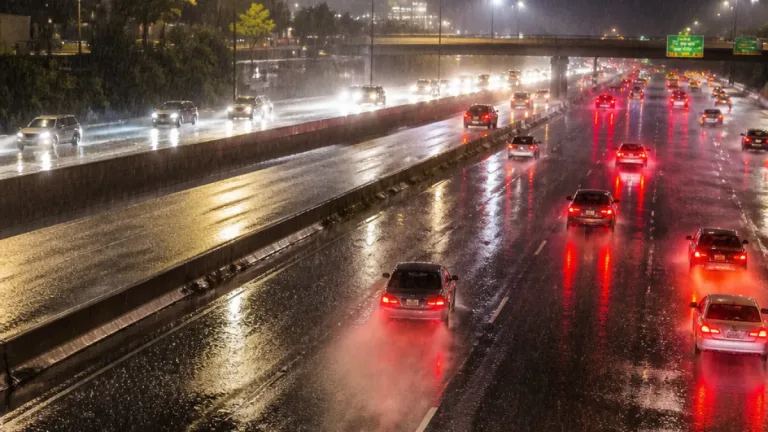
- Never drive through standing or moving floodwater — six inches can stall a car and a foot can sweep one away.
- Move to higher ground when flooding is imminent and follow local evacuation orders.
- Be aware of local watershed and low-lying areas prone to rapid rises in water.
As high-intensity rain events grow more common, emergency services across Central Missouri are adapting their training and equipment to meet evolving threats. The emphasis is clear: faster rescues, stronger coordination and public caution can reduce the tragic toll of sudden floods on people and property.