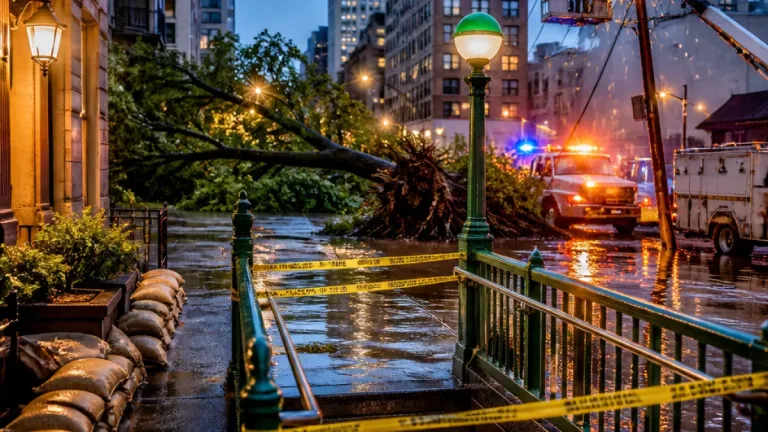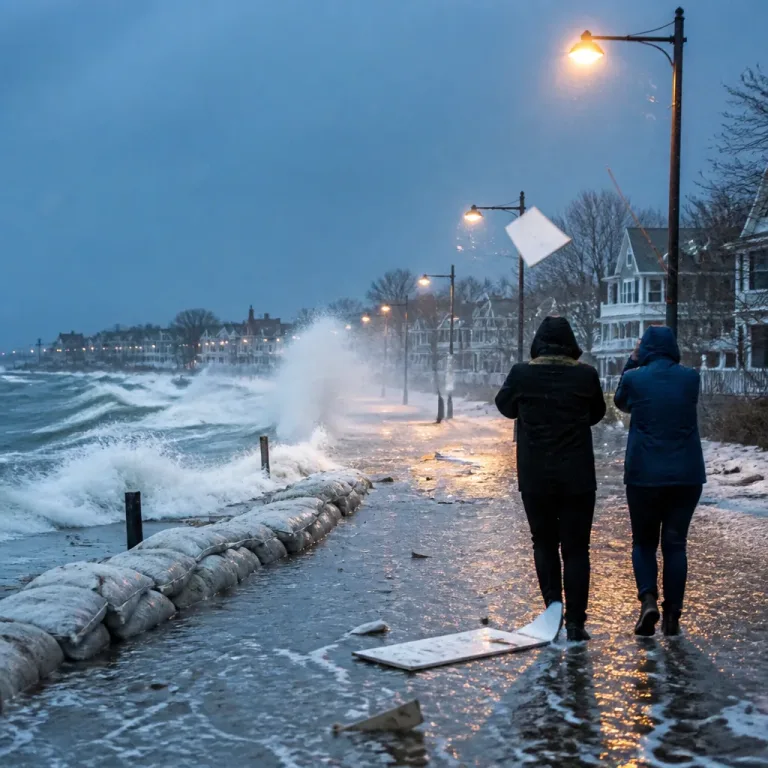
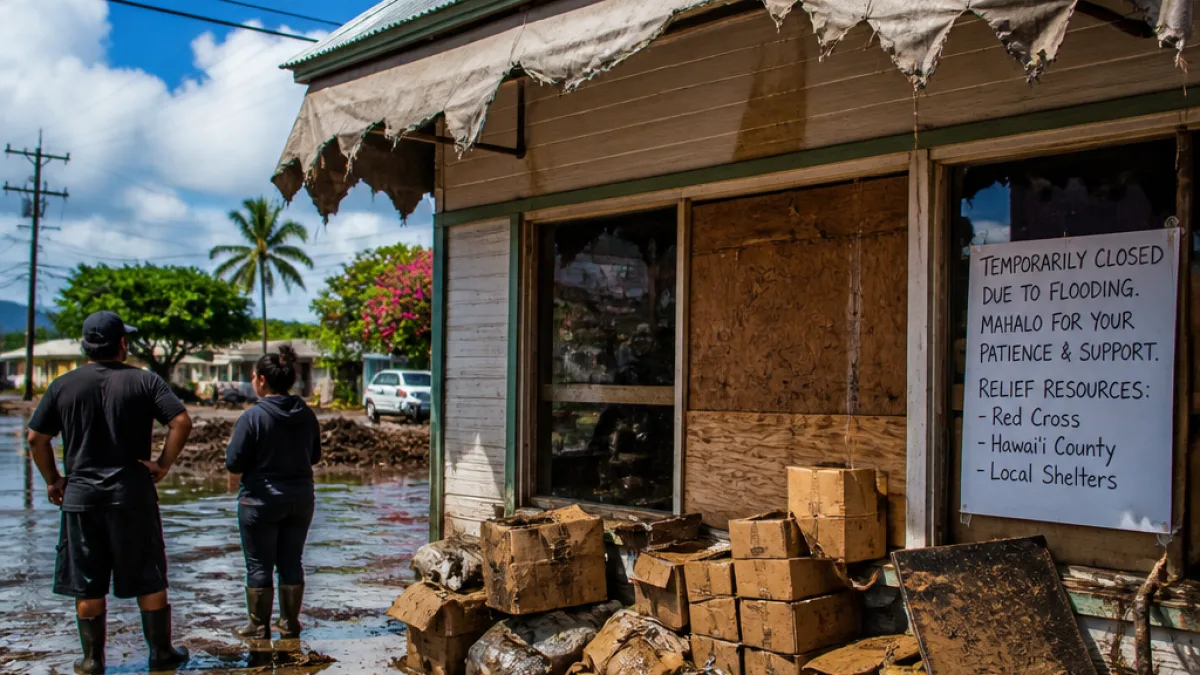
Communities across Hawai‘i are grappling with repeated damage and financial strain after a string of storms left little time for recovery.
Repeated hits leave lingering damage
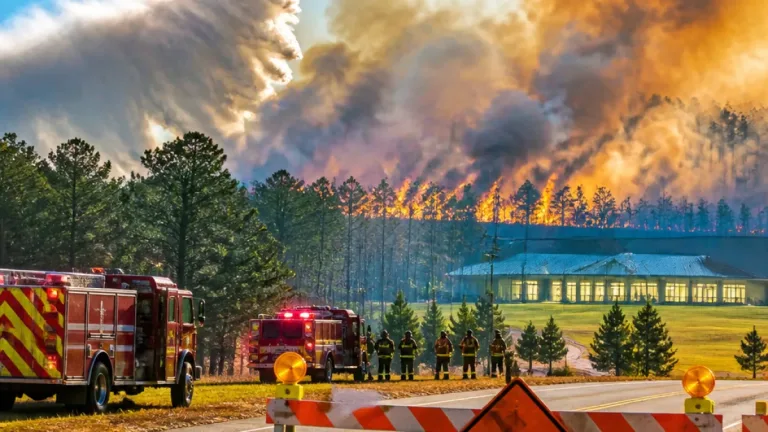
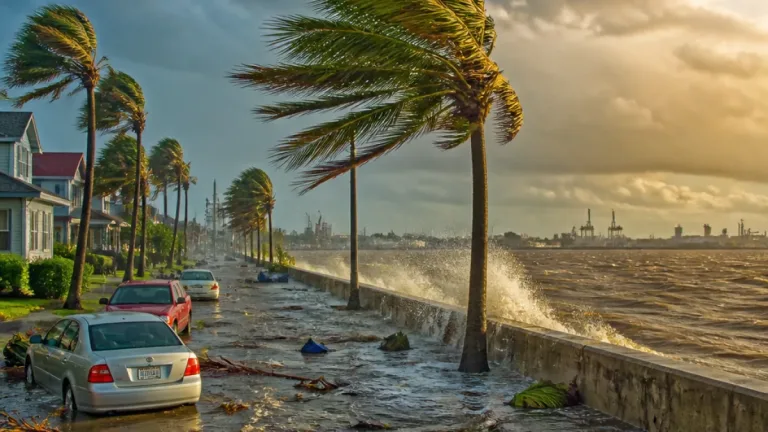
This year’s sequence of weather events — beginning with two kona low systems in March, followed by Hurricane Lala and Tropical Storm Moke in August and Hurricane Lowell in September — has strained household finances, disrupted businesses and heightened anxiety among residents who say they have had to rebuild more than once.
At Wong Yuen Store, a longtime convenience shop in Nā‘ālehu on Hawai‘i Island, owner Daedrie Kai described repeated losses to both the family’s homes and the business.
“We replaced it. We cleared our property again, and it just happened all over [again],”
Kai said the March kona lows damaged a family home and appliances. After cleaning up and replacing items, the family faced wider destruction from Hurricane Lala a few months later: a damaged roof, destroyed sheds, animal losses, structural damage to the store, lost inventory and further appliance damage. The family endured about two weeks without electricity or water following those impacts.
Compounding effects on people and economy
Residents and business owners described not just physical losses, but a growing sense of dread each time another storm forms in the Pacific. The mental-health impact is underscored by what UH Manoa assistant professor J.C. Hodges refers to as a “cumulative stress effect,” reflecting how repeated disasters magnify anxiety and coping challenges.
Local businesses report repair costs, inventory loss and interruptions that can lead to layoffs or reduced hours — compounding economic pressure in communities already dealing with recovery logistics. Some households and shops say they still have uncompleted repairs from earlier storms when the next event struck.
- Repeated damage to homes and businesses has increased recovery time and cost.
- Residents report heightened anxiety and preparedness measures after multiple events.
- Small businesses face inventory loss, structural repairs and potential layoffs.
How residents are responding
People described shifting from modest precautions to more robust preparations. Those responses include filling water jugs, ensuring they have fuel and maintaining backup generators, steps community members say have become routine as storms recur.
| Storm | When |
|---|---|
| Kona lows | March |
| Hurricane Lala & Tropical Storm Moke | August |
| Hurricane Lowell | September |
Local officials and relief organizations have repeatedly urged residents to follow guidance on evacuations, boil-water advisories and safety when returning to damaged properties. Recovery funding and insurance payouts can be slow, and repeated damage can leave homeowners underinsured or facing uncovered losses.
The cycle of cleanup, repair and renewed preparation underscores broader concerns about community resilience as storm frequency and intensity test infrastructure, livelihoods and mental health across the islands.
As residents and small-business owners continue to rebuild, the cumulative cost — financial and emotional — will be a test for local recovery programs and support networks statewide.