The U.S. Department of Education found this year that North Carolina’s public schools continue to provide inadequate special education services, renewing federal concerns about the state’s compliance with obligations to students with disabilities.
What the federal review found
The assessment, conducted in 2025 and noticed in June, examined the 2024-25 school year. It identified several areas where the state did not meet federal requirements, including:
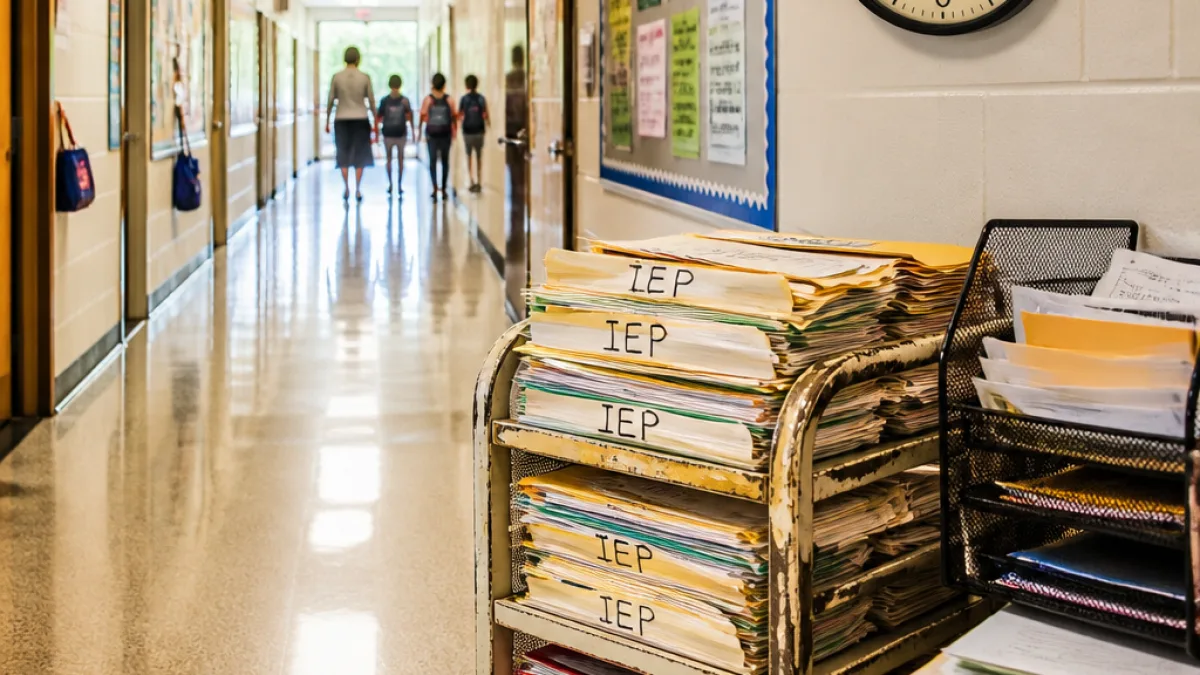
- Timely identification and evaluation: a substantial proportion of students were not evaluated and placed on individualized education programs (IEPs) within required time frames (the report cites a 74% figure tied to timeliness).
- Academic outcomes: students with disabilities, particularly students of color, performed worse on statewide exams than the previous year.
- Early childhood plans and transition services: preschoolers did not consistently receive IEPs on schedule, and older students were not adequately prepared for life after high school.
- Family feedback and post‑school surveys: the state did not sufficiently survey families for satisfaction or gather former students’ post‑school outcomes.
- Corrective actions: the state failed to resolve all findings of noncompliance within a year; many concerns were repeats from prior reviews.
Scale and context
Advocates and families say the problems stem largely from chronic underfunding and rising demand. More than 200,000 students in North Carolina receive special education services, and disability referrals have increased as diagnoses and awareness grow, representatives for national advocacy groups told WRAL.
"The system is under enormous strain," said Christopher Roe, director of state policy at the Council of Parent Attorneys and Advocates.
The Department of Education has designated the state as in need of assistance and oversight several times over the past decade. The latest review continues a pattern of federal scrutiny that carries potential implications for state education policy, resource allocation and corrective action plans.
| Measure | Issue noted |
|---|---|
| Timely evaluations/IEPs | Not consistently met (report references 74% timeliness) |
| Academic outcomes | Decline for students with disabilities; gaps for students of color |
| Post‑school and family surveys | Insufficient data collection |
State response and next steps
In response to inquiries, the North Carolina Department of Public Instruction pointed to a growing number of referrals for disability evaluation and an ongoing shortage of qualified special education staff as contributing factors. The department has previously been required to submit corrective action plans when the federal review found noncompliance.
For counties and school districts, the report raises immediate operational questions: how to recruit and retain qualified special education professionals, how to meet federally mandated timelines for evaluations and IEP development, and how to collect meaningful post‑school outcome data. For state leaders, the findings underscore pressure to address funding formulas, workforce pipelines and oversight mechanisms to bring services into compliance.
Families and advocates say the stakes are practical and personal: timely evaluations and properly executed IEPs determine access to services that shape students’ daily learning and their long‑term opportunities. Federal oversight may prompt additional state action, but previous reviews suggest change will require sustained investment and systemic adjustments.
Reporting for this story relied on the U.S. Department of Education review noted in June and public comments from advocacy groups. The state education department has acknowledged staffing pressures related to rising referrals for special education evaluations.