Republican officials and newly reconstituted election boards in North Carolina are advancing changes that would reduce Sunday early voting and remove polling sites from some college campuses, moves voting-rights advocates warn will make it harder for Black church congregations and students to cast ballots.
What’s changing and why it matters
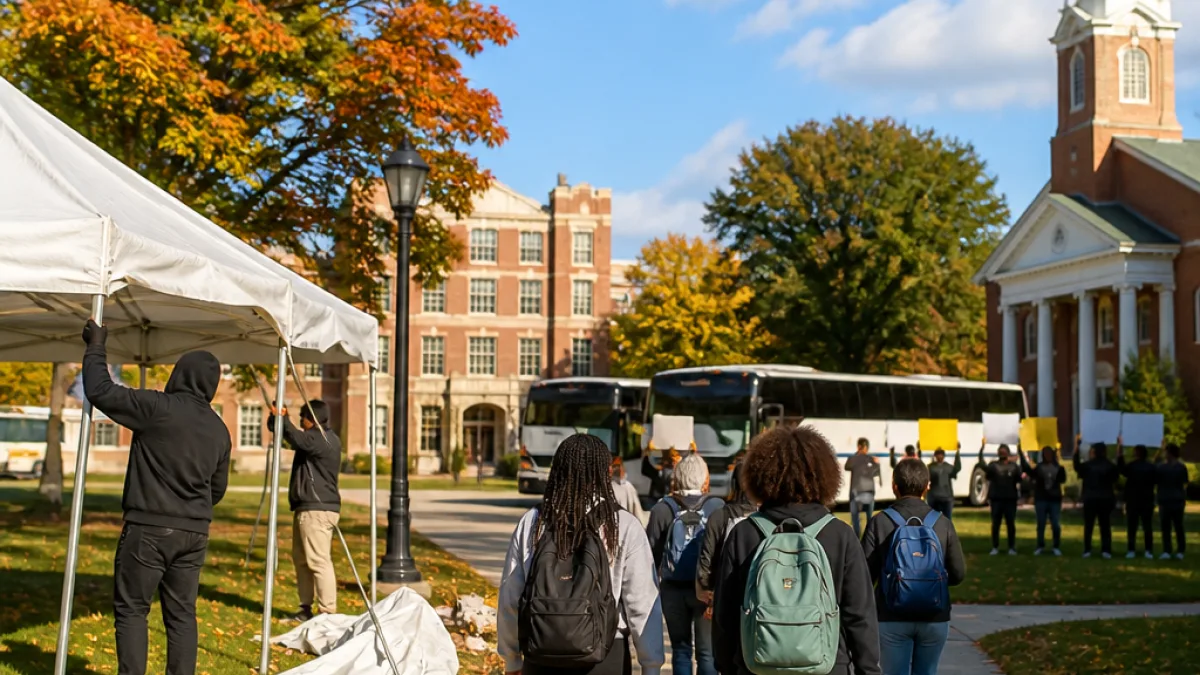
Under the proposals, some counties would cut Sunday voting — a day many Black churches use for organized “Souls to the Polls” efforts — and shift campus polling locations to off-campus sites such as smaller county election offices. Advocates say those shifts could create transportation barriers for students and congregants who rely on nearby, familiar sites.
The disputes follow a 2024 law that transferred authority to appoint local election-board members from the governor to the state auditor, Dave Boliek. After Boliek made his appointments, several boards changed from Democratic to Republican majorities, giving GOP members greater influence over early voting plans.
Local examples
Public records show debates playing out in multiple counties:
- Pasquotank County: Officials discussed moving the only 2026 general-election early voting site from the K.E. White Graduate Center at Elizabeth City State University to the county elections office. Records show an elections liaison supporting the move urged a reduction in Sunday voting.
- Jackson County: State and county officials clashed over whether to eliminate the Cullowhee Recreation Center in favor of Western Carolina University's Health and Human Sciences Building, with accessibility and parking cited as concerns.
"Drop Sunday."
The text, according to county records, came from Dallas Woodhouse, then an elections liaison in Boliek’s office, to Larry Beatty, the county Republican elections chair, as officials weighed Sunday voting.
Arguments and stakes
Supporters of the changes point to factors such as parking, accessibility, construction and administrative efficiency when selecting polling locations. Critics say those rationales can mask the practical effect of reducing turnout among students and Black voters who have relied on campus sites and Sunday hours.
Moving a campus site off school grounds may add distance for students who lack cars or dependable transit, while cutting Sunday hours removes a block of organized voting that historically boosts participation in Black communities.
| County | Contested Site | Main Concern |
|---|---|---|
| Pasquotank | K.E. White Graduate Center, ECSU | Site moved to county office; transportation for students |
| Jackson | Cullowhee Recreation Center vs. WCU building | Accessibility, parking, construction |
What to watch next
- County boards will finalize early voting plans ahead of the 2026 general election; any changes could be subject to legal challenges.
- Voting-rights groups are likely to monitor and potentially sue over alterations that they view as discriminatory or suppressive.
- Voters and campus groups should follow their county board notices for finalized site lists and hours.
The debate in North Carolina reflects broader national disputes over how early voting is structured and who gets access to convenient polling locations. The outcome in individual counties will affect turnout patterns among students and communities that depend on Sunday voting drives, with potential implications for statewide races in 2026.