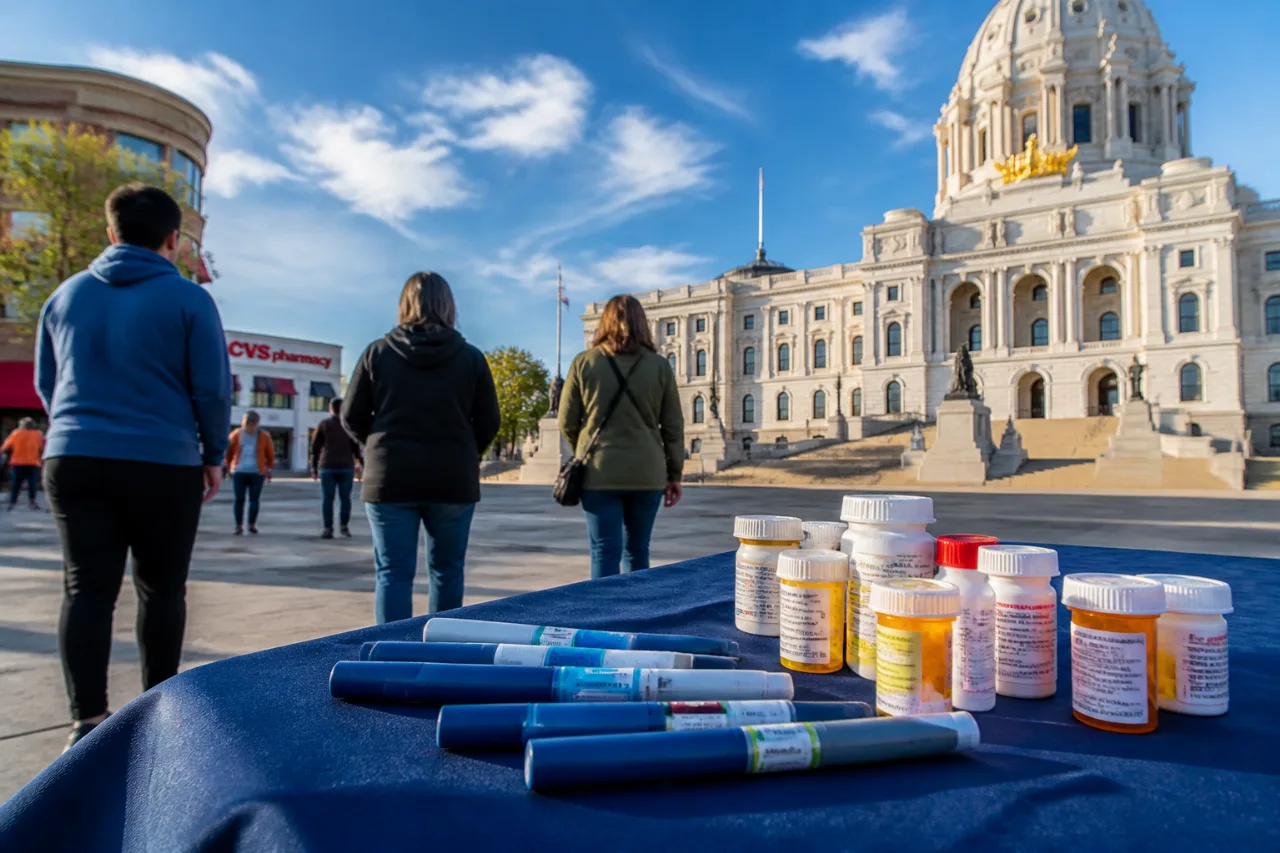
The Minnesota Attorney General’s Office announced Thursday that CVS Pharmacy will pay the state $494,546.12 plus interest as part of a national settlement addressing allegations the company submitted improper claims related to insulin pen dispensing.
State share of multistate resolution
The payment to Minnesota is drawn from a broader agreement reached by a coalition of 37 state attorneys general and the federal government. The overall national resolution amounts to roughly $36.5 million, with participating states and the federal government accounting for the bulk of that total.
Of the money tied to Minnesota’s involvement, $247,273.06 is specifically designated as restitution under the settlement terms. In total, the agreement assigns $857,031.75 to actions involving Minnesota, which covers both state and federal recoveries related to the same conduct.
| Amount | Purpose |
|---|---|
| $494,546.12 | Payment to Minnesota (plus interest) |
| $247,273.06 | Portion classified as restitution |
| $857,031.75 | Total allocated to Minnesota-related conduct (state and federal) |
Allegations and timeline
The settlement resolves claims that some CVS pharmacies overbilled public health programs — including Medicaid — by submitting inaccurate information about the quantity of insulin dispensed and the days-supply that the dispensed product should have covered. The alleged conduct covered prescriptions filled from January 2010 through December 2020.
Insulin pens commonly ship in cartons containing several pens. Federal investigators contended that in some cases pharmacies dispensed an entire carton even when a patient’s prescription or plan limits would not permit that quantity within the plan’s days-of-supply rules. When pharmacy benefit managers required an override for quantities exceeding plan limits, the company admitted some pharmacies failed to secure the override and instead reported the maximum permitted days of supply.
Why the recovery matters locally
For Minnesota, the nearly half-million-dollar recovery returns funds to the state’s Medical Assistance program, the official Medicaid program. That restitution helps reimburse public resources and underscores scrutiny over how outpatient drugs are dispensed and billed to government programs.
State officials did not provide a breakdown of how the returned funds will be used within Medical Assistance. Still, the recovery represents both direct monetary restitution and a reminder of compliance expectations for retail pharmacy operations that participate in public insurance programs.
- Scope: Claims span a decade of dispensing practices (2010–2020).
- State recovery: $494,546.12 to Minnesota, including $247,273.06 marked as restitution.
- National picture: Part of a multistate and federal settlement totaling about $36.5 million.
The U.S. Department of Justice publicly announced the federal portion of the resolution in December, describing the broader settlement figures and allocation to the federal government and participating states.
Attorney General Keith Ellison’s office characterized the agreement as part of efforts to hold companies accountable when billing practices improperly shift costs onto government health plans. The settlement clarifies how certain dispensing and reporting practices must align with plan rules to avoid overpayment.
As Minnesota policymakers and health program administrators weigh impacts, the case highlights continuing enforcement activity around pharmacy billing practices and the oversight role states play in protecting public health program dollars.