Tennessee’s rapid growth in data center development is drawing scrutiny after a new ThinkTennessee report linked the sector’s expansion to rising household electricity costs in parts of the state. The analysis, released this week, warns that ongoing investment in large server farms may create fiscal and infrastructure pressures for communities already wrestling with noise, environmental concerns and grid strain.
How Tennessee became a data center destination
Over the last decade, major technology firms have shifted operations away from higher-cost regions, and Tennessee has become a frequent recipient of that investment. Notable projects cited in recent coverage include Google’s 2018 facility in Clarksville, Facebook’s 2020 site in Gallatin, and xAI’s large Memphis build beginning in 2024. Those campuses helped accelerate local construction and attracted attention from data center developers nationwide.
Energy costs and local impacts
“Electric bills are rising more prominently in areas with data centers, and residential customers’ bills are increasing while commercial customers’ bills decrease,”
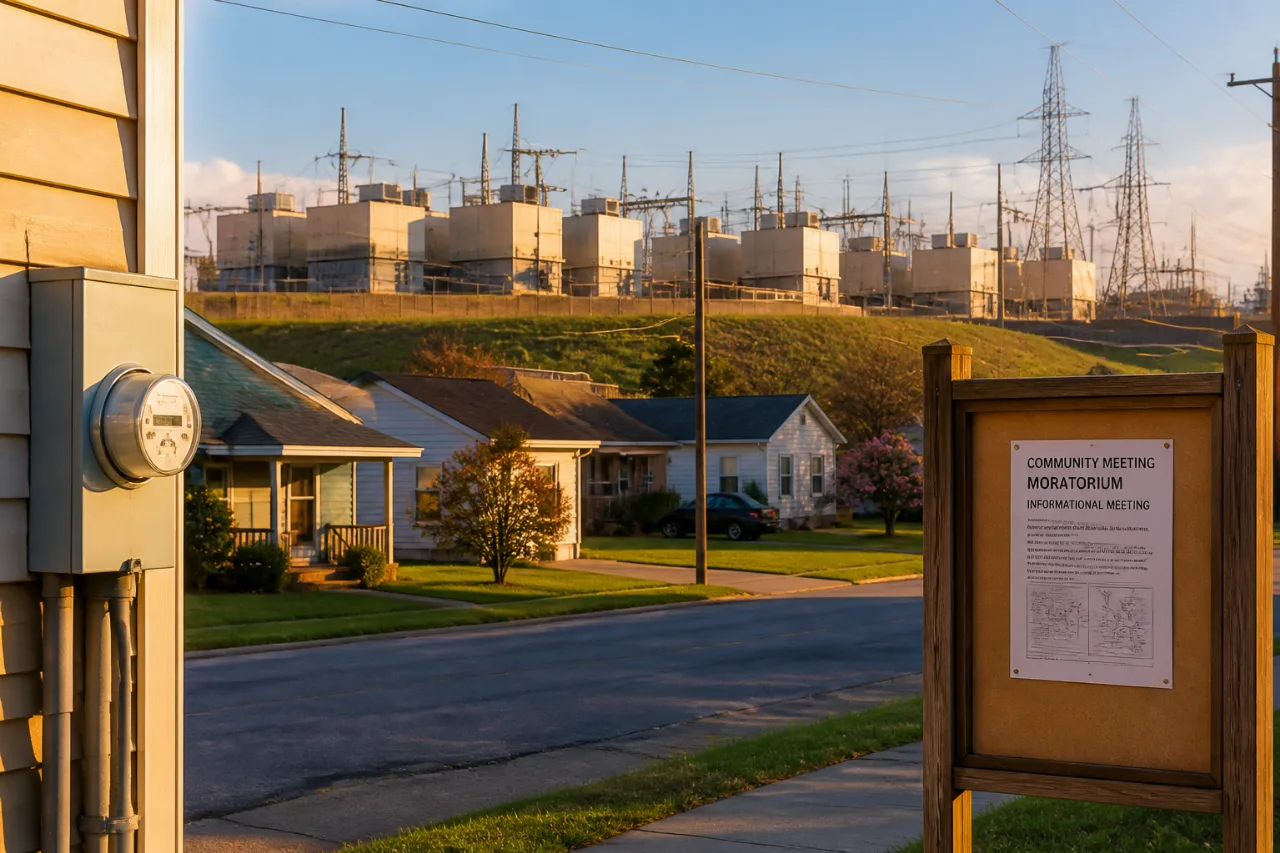
The report says that between 2023 and 2024, electricity costs rose in ways that were more pronounced where data center activity is concentrated. Local officials and residents in some communities have responded with moratoriums or stricter permitting amid concerns over noise and environmental effects as well as the potential for the facilities to stress the power grid.
How many centers and what’s proposed
Industry trackers show a sizeable footprint in Tennessee today. Two commonly used trackers, DataCenter Map and Baxtel, list different totals depending on methodology:
- DataCenter Map lists 63 facilities in Tennessee.
- Baxtel lists 58.
ThinkTennessee combined those sources and identified a total of 62 unique operating data centers and an additional 16 proposed facilities.
| Tracker | Facilities listed |
|---|---|
| DataCenter Map | 63 |
| Baxtel | 58 |
| Combined (unique) | 62 operating, 16 proposed |
What this means for Tennessee communities
Local governments must weigh potential economic benefits — jobs, tax revenue and investment — against costs such as increased electric demand and community concerns. The report underscores that impacts are not uniform: some places have embraced the projects, while others have sought pauses on new construction to study long-term effects on residents and utilities.
For residents and local officials, the report suggests close monitoring of utility rate changes, engagement in permitting discussions, and coordination with power providers to ensure grid reliability as new projects come online. Statewide policymakers will likely face pressure to balance economic development incentives with protections for consumers and local infrastructure.
Tennessee’s data center story is still unfolding. As proposed projects move through local and regulatory review, communities will continue to debate the trade-offs between attracting tech investment and maintaining affordable, reliable services for residents.