Fire damage, displaced families and a policy ripple that reaches Seattle
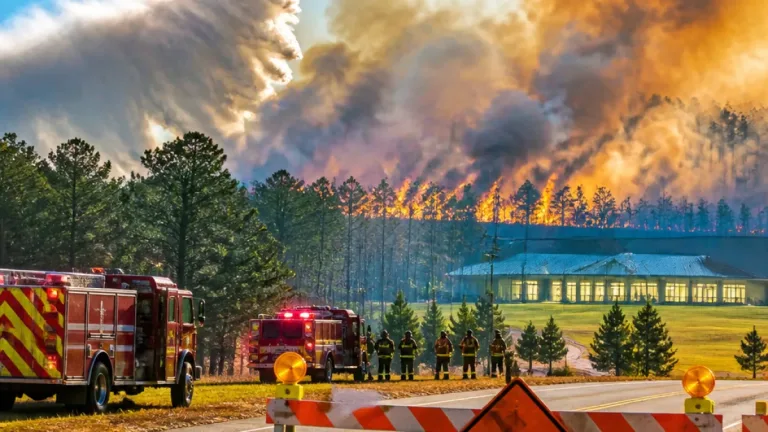
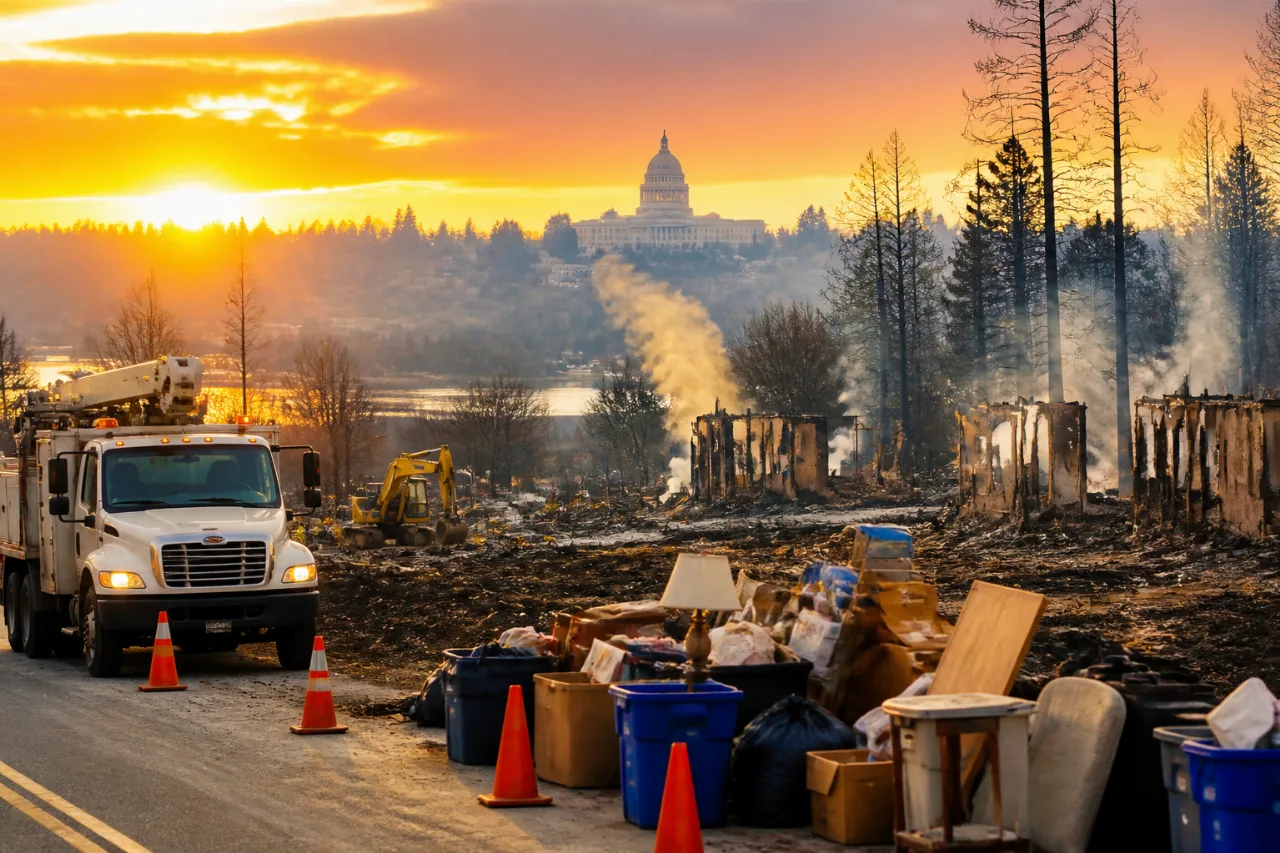
SEATTLE — A wildfire that erupted after Fourth of July celebrations in Douglas County burned an estimated 10,000 acres, destroyed homes and left multiple families without shelter or most of their belongings, according to reports published July 9, 2026. The blaze — one of several in the region this season — has renewed statewide conversations about disaster relief, fuel costs and climate policy.
Local media coverage this week, including an episode of the Seattle News Weekly podcast on FOX 13 Seattle, highlighted both the human toll of the Chelan Hills incident in Douglas County and the broader political debate in Olympia. The program introduced the station’s new streaming host, and also discussed requests from state Republicans for Governor Bob Ferguson to convene a special legislative session to pause gas taxes tied to the Climate Commitment Act (CCA).
"the Chelan Hills fire in Douglas County"
Passed under the administration of former Governor Jay Inslee and implemented beginning in May 2021, the CCA is Washington’s cap-and-invest program designed to reduce greenhouse gas emissions by requiring major polluters to purchase allowances for each ton emitted. Critics cited in recent coverage argue that, despite the state having collected more than $4 billion, results on emissions reductions are still contested.
Local consequences and connections to Seattle
While the fire itself is centered in Douglas County, northeastern of Seattle, the effects reverberate across the Puget Sound region in several concrete ways:
- Air quality impacts: smoke from large interior fires can degrade air across the region, affecting schools, public events and vulnerable residents.
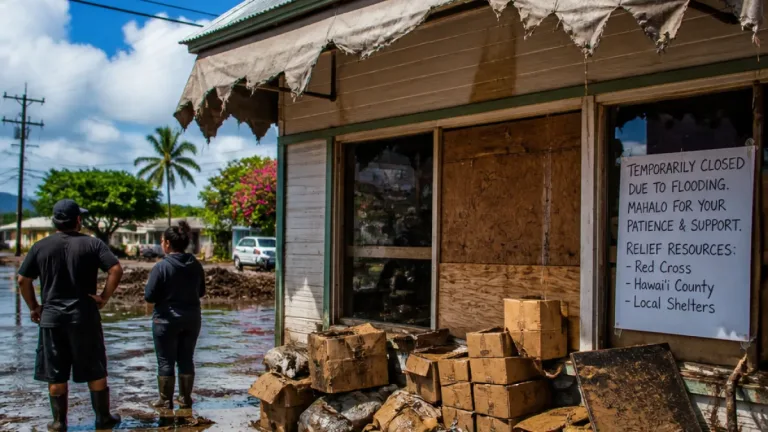
- Humanitarian response: displaced families may require state or nonprofit support, straining resources that Seattle-area organizations also rely on during heat and wildfire seasons.
- Policy debate: calls to pause gas taxes linked to the CCA could influence transportation costs and state funding streams that affect King County programs.
The podcast segment also noted the short-term household impacts of higher fuel prices: some families curtail leisure activities, adjust business operations, or increase carpooling to manage costs.
Numbers at a glance
| Item | Detail |
|---|---|
| Approximate area burned | 10,000 acres |
| Reported date (coverage) | July 9, 2026 |
| CCA revenue cited | $4 billion+ |
| CCA first implemented | May 2021 |
As the summer fire season intensifies, Seattle residents should monitor air-quality advisories from Public Health — Seattle & King County, watch for updates from the Washington State Department of Natural Resources, and expect climate policy discussions coming out of Olympia to remain a topic of local significance.
Coverage this week also served as a reminder that regional emergencies often intersect with statewide policymaking — a link that will shape both recovery efforts for those directly affected and the everyday choices of residents across the Puget Sound.