
Tickets for Wednesday’s World Cup semifinal at Atlanta Stadium have become a costly proposition for U.S. fans: resale listings on major platforms show single seats starting at roughly $3,000, with prices climbing for closer sections and primary-market fees still applying on some sites.
Resale prices and where they stand
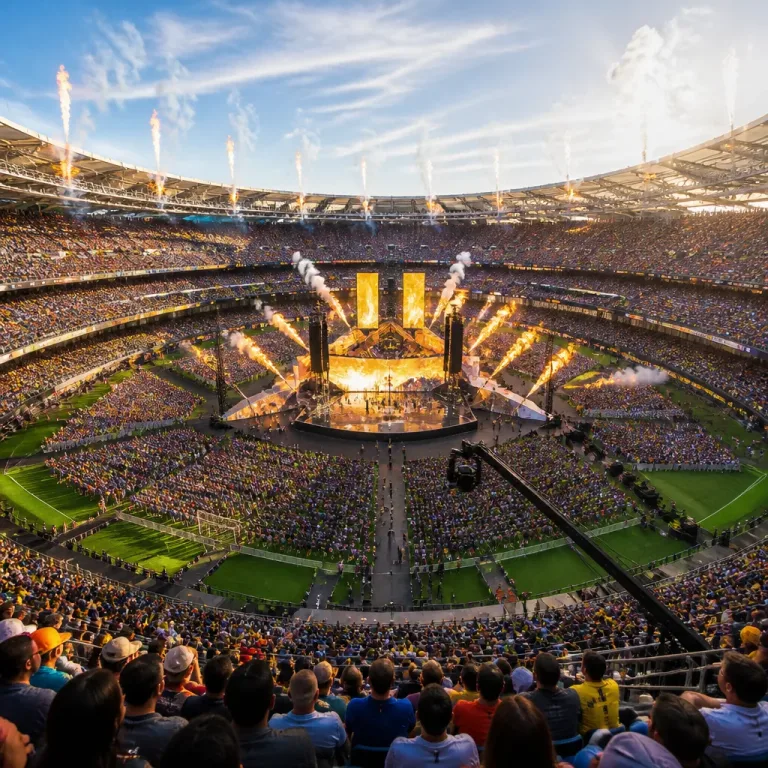
As of Sunday afternoon, third-party marketplaces were advertising a range of prices for the Argentina-England semifinal. The stadium, which has drawn sellout crowds exceeding 65,000 during the tournament, will host what is widely expected to be one of the highest-demand matches at the U.S. venues.
- StubHub: $2,941 (Section 301)
- VividSeats: $3,036 (Section 303)
- SeatGeek: $3,115 (Section 321)
- TickPick: $3,117 (Section 320)
- Ticketmaster: $3,680* (Section 135) — price shown before taxes and fees
| Vendor | Listed price | Section |
|---|---|---|
| StubHub | $2,941 | 301 |
| VividSeats | $3,036 | 303 |
| SeatGeek | $3,115 | 321 |
| TickPick | $3,117 | 320 |
| Ticketmaster | $3,680* | 135 |
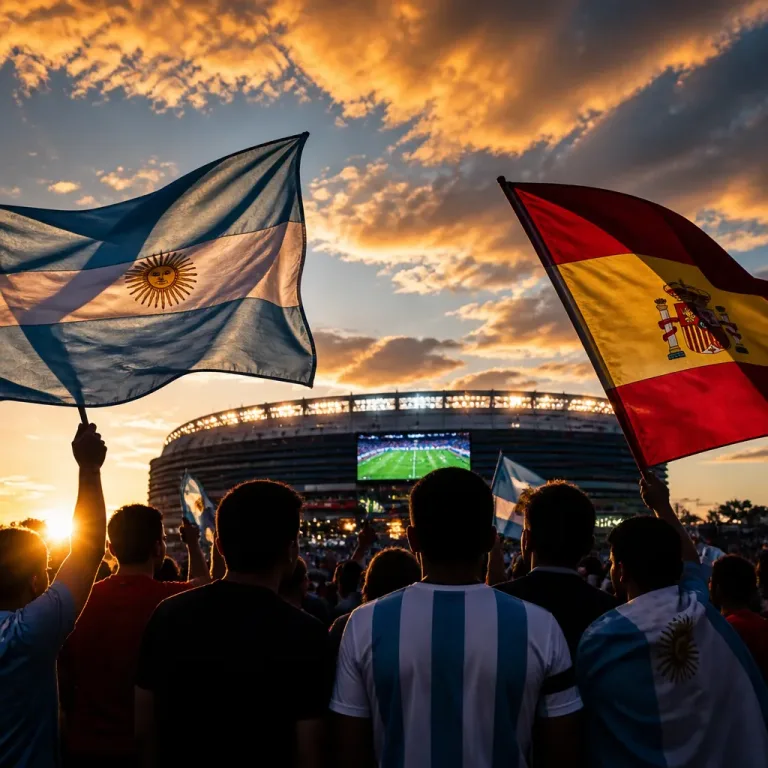
Those figures reflect the secondary market rather than face-value ticket sales. They illustrate the premium placed on a marquee matchup featuring the defending champions and a high-profile opponent on U.S. soil.
Why it matters to American fans
For U.S.-based supporters and international visitors traveling to Atlanta, the prices underscore the gap between interest in attending a global event and the reality of ticket distribution. Even stadium seats that are not in the premium sections are commanding sums that put live attendance out of reach for many.
High resale prices carry practical and political consequences: they affect who can participate in major cultural events and they draw renewed scrutiny of secondary-market practices and platform fee structures. The sticker shock may also shift viewership to at-home or public-viewing options, altering local economic impacts tied to in-person attendance.
Context and consequences
Atlanta has hosted several high-profile World Cup matches during the tournament, producing strong local demand. When a match pairs heavyweight national teams and involves star players, market pressure on available seats increases. That dynamic amplifies the role of ticket resale platforms in setting access and prices.
For American readers, the issue is not simply about a single match; it reflects broader tensions in how major events are allocated, how secondary markets operate, and how municipal and federal authorities might respond to ensure fairer access for residents. The high prices also suggest secondary economic effects — from transportation and hospitality spending by those who do attend, to missed local revenues when fans opt to watch remotely.
As the semifinal approaches, the listed prices on resale sites will likely continue to fluctuate with demand. Whether policymakers, platforms or event organizers take steps to broaden access — through additional releases, stricter resale limits or other measures — will be watched by fans and consumer advocates alike.