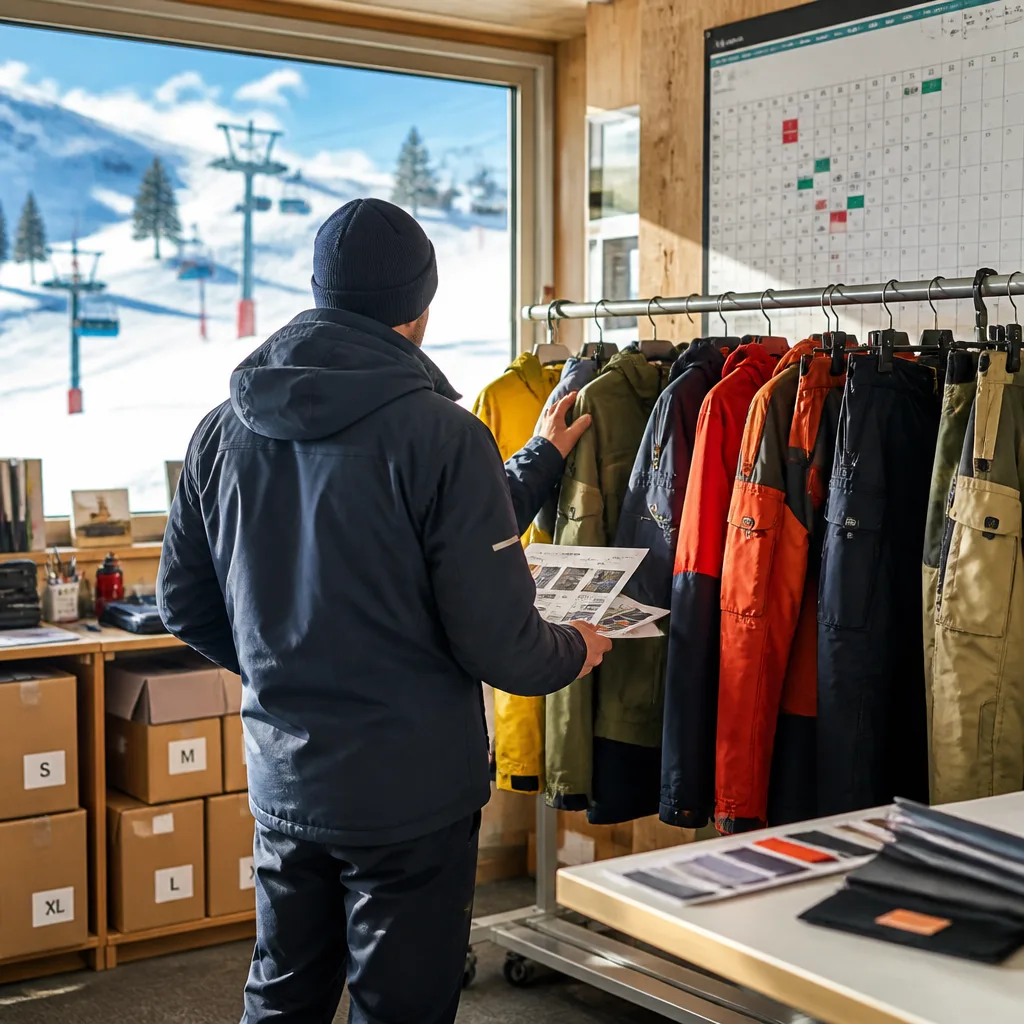
Buying staff uniforms for ski areas is not a last-minute purchase. Industry consultants and resort uniform managers say the process typically requires one to two years of lead time for research, wear-testing and competitive bidding, and that rushing the schedule often produces late deliveries or product failures.
Why early planning matters
John Kirschner, a consultant with experience building The North Face’s ski and uniform division, said many resort executives underestimate the complexity of uniform procurement and hand the task to general purchasing agents who may lack skiwear expertise. "It’s more complex than most areas realize," he said, noting that requests made in summer for uniforms needed by November are often impossible to fulfill.
“It’s more complex than most areas realize. When I was at The North Face, I can’t tell you how many ski areas would call in June, July or August and want uniforms in November. It’s a physical impossibility. It can’t be done.”
Kirschner and other insiders say advance planning helps avoid the two most damaging outcomes: late deliveries and product failures.
Customization and long-term costs
Resorts frequently require tailored features — embroidery, custom stripes, special pocket placements and climate-specific modifications — that make off-the-shelf purchases impractical. Stu Campbell, who led the uniform program at Heavenly Valley, Calif., described an extensive testing phase before selecting a supplier for nearly 1,000 garments. The resort tried multiple garments across different weather conditions and with multiple users to ensure performance.
Campbell advised buyers to include replacement and long-term supply considerations in negotiations, asking suppliers what they will do years down the road to provide additional garments or matching items. "You’ve got to think down the road," he said. "Ask ‘What will you do for us six years from now when we say we need X number of additional garments?’"
- Lead time: Industry guidance is typically 1–2 years for research, testing and bids.
- Scale: Example program involved almost 1,000 garments.
- Contracting focus: Specify replacement options and customization rights for future orders.
For procurement teams at seasonal employers, the lesson is procedural as well as technical: allocate time and resources, run wear-tests in relevant conditions, and build contracts that protect future uniform continuity. Failure to do so can leave operations with mismatched gear, unsatisfied staff and added costs from product fixes or reorders.
| Phase | Typical actions | Timing |
|---|---|---|
| Research & sampling | Supplier demos, wear-testing | 6–12 months |
| Design & customization | Embroidery, pockets, climate mods | 3–6 months |
| Bidding & contracting | Negotiate replacement terms | 2–6 months |
Procurement for uniforms in seasonal, weather-dependent operations like ski resorts requires more than price shopping. It calls for a structured timetable, subject-matter input and contract terms that contemplate future needs — an approach that can reduce late deliveries, limit failures in the field and control long-term replacement costs.