
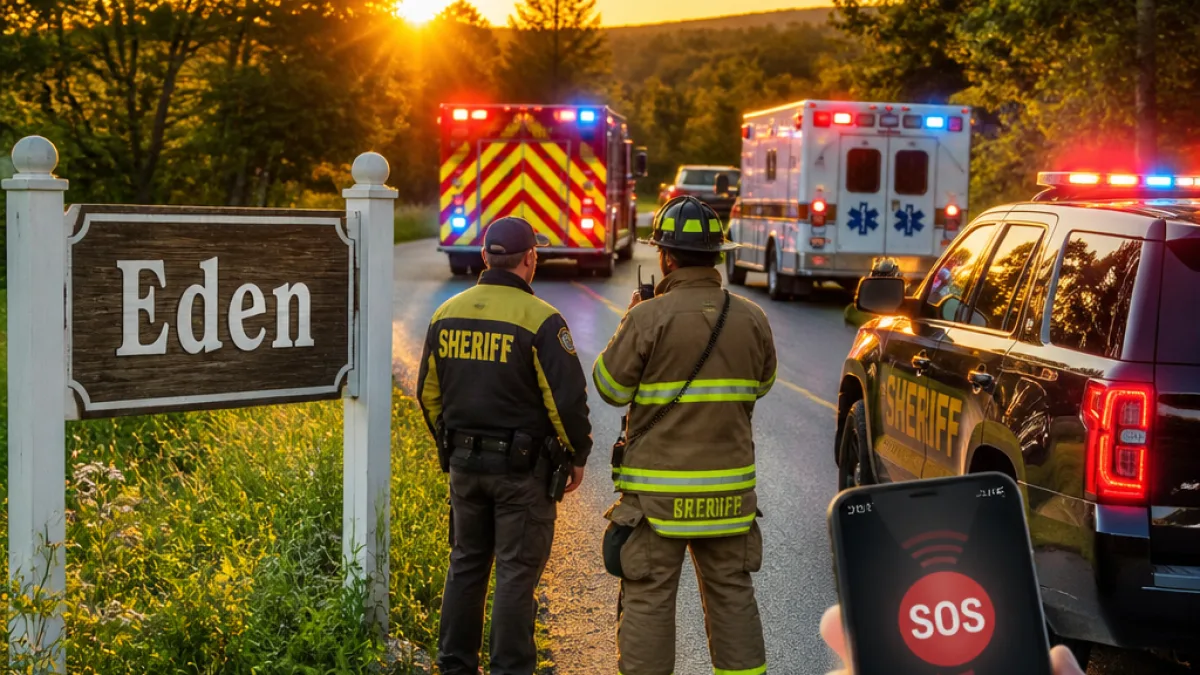
The Iowa County Sheriff’s Office said an Apple Emergency SOS notification prompted a large, multi-agency response in the Town of Eden on Friday.
What happened in Eden
Officials confirmed the alert led to multiple emergency units converging in the small community in eastern Iowa County. The sheriff’s office described the incident as a response triggered by an Apple device’s emergency notification feature; further details about injuries, property damage or the agencies involved were not released in the initial notice.
How smartphone SOS features can mobilize help
Modern phones include built-in emergency tools designed to summon help quickly. When activated, these features can contact local dispatch centers, send location data and notify emergency contacts. In rural communities such as Eden, a triggered alert can bring responders from several jurisdictions or departments together.
"An Apple Emergency SOS Notification triggered a large multi-agency response in the Town of Eden on Friday," the Iowa County Sheriff’s Office said.
While those systems are lifesaving in true emergencies, they can also prompt significant deployments when activated accidentally — consuming time and resources that might otherwise be used elsewhere.
Why this matters to local residents
Rural counties often rely on volunteer fire departments, small emergency medical services and limited sheriff’s office personnel. A single large response tied to a false or accidental activation can strain those resources and slow responses to other calls. As smartphones become more capable, communities across Iowa are facing similar questions about how best to balance rapid access to help with avoiding unnecessary deployments.
- Residents: Be aware of how your phone’s emergency features work and how they are triggered.
- Device owners: Check settings and emergency contact information so devices send accurate data if used.
- Neighbors: If you see emergency personnel in your area after an alert, avoid impeding their response and follow instructions from officials on scene.
Practical steps to reduce accidental activations
Users who want to avoid unintentionally summoning help can review device settings and learn the activation sequence for their model. Authorities commonly advise making sure emergency contact information is current and understanding how to cancel a false alert if it is issued. Local emergency managers and sheriff’s offices also encourage residents to report accidental alerts immediately so dispatchers can clear an unnecessary call and free responders.
| Issue | Recommended action |
|---|---|
| Unfamiliar with SOS feature | Read your phone manufacturer’s emergency feature guide; practice the activation/cancellation steps |
| Accidental alert sent | Contact local dispatch or the sheriff’s office to report a false activation so responders can be stood down |
The Iowa County Sheriff’s Office provided the initial notice of the Friday response. Officials have not released additional details about the incident. As smartphones continue to play a larger role in emergency reporting across the state, residents and authorities in rural Iowa will likely keep balancing the benefits of rapid digital alerts with the strains those alerts can place on limited local resources.
More information about how to use and manage emergency features is available from phone manufacturers and local emergency management offices; residents who have concerns about a recent alert can contact their county dispatch or sheriff’s office for guidance.