Cities are not just for people anymore. In his new book Our Wild Familiars (Crown), Dan Werb tracks how animals traditionally thought of as wild are adapting to urban life — finding food, shelter and even social niches among sidewalks, alleys and apartment rooftops.
Synanthropes: wildlife living "together with man"
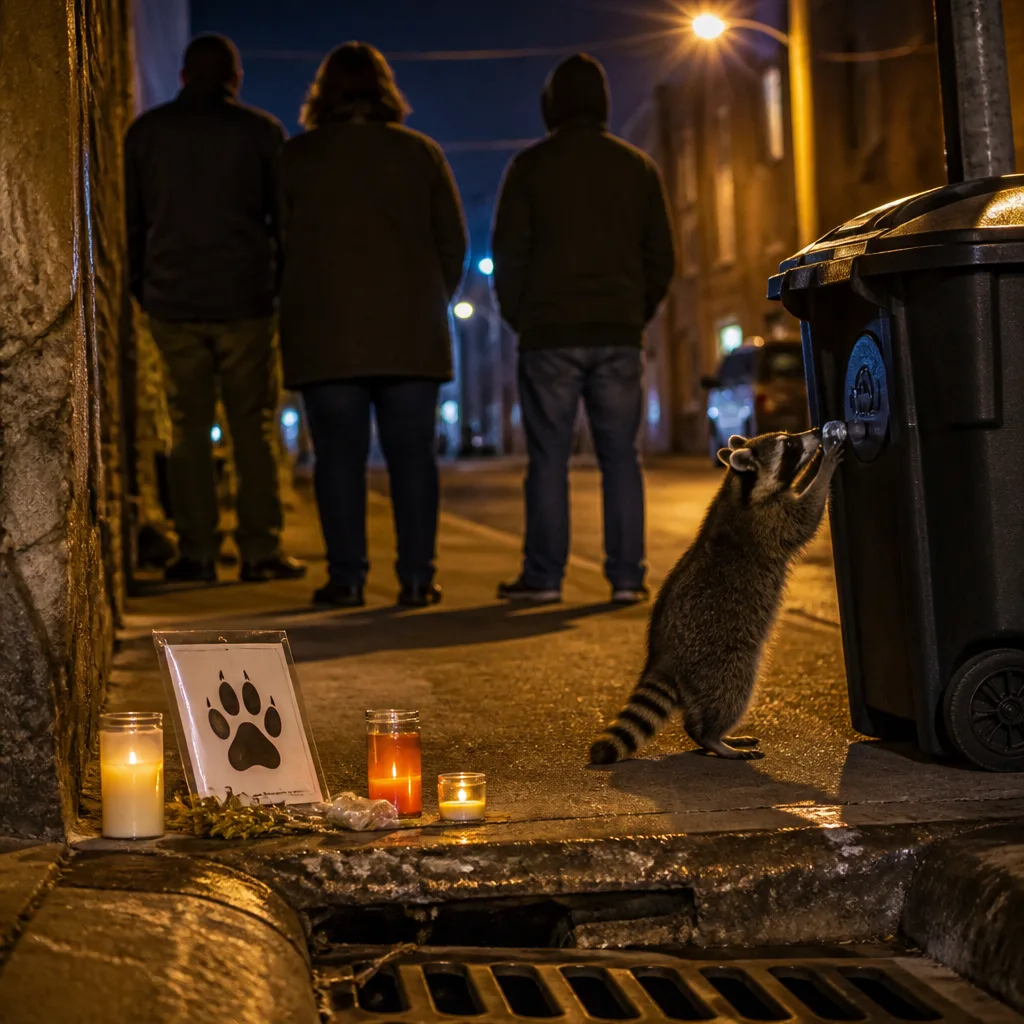
Werb uses the unlikely story of a dead raccoon named Conrad — commemorated by four men who built a small memorial on a Toronto sidewalk — as an entry point into the broader phenomenon of synanthropes, a term that comes from Greek and means “together with man.” The book surveys animals living in places many city dwellers rarely think about: trash-strewn alleys, garbage cans, sewers, train stations, parks and even polluted seafloors.
“Where this is all eventually going to lead is anyone’s guess,” Werb told The Post, “which is very exciting.”
That uncertainty is part of the story. Cities provide unique combinations of food waste, heat, noise and shelter that create new ecological rules. Municipal efforts to control wildlife — such as Toronto’s investment in so-called raccoon-proof garbage bins with a circular lock — have sometimes been outpaced by animal ingenuity. According to Werb’s reporting, one raccoon figured out the bin’s turning mechanism and within a year others had copied the trick.
What urban adaptation looks like
Biologists quoted in the book say this sort of flexibility — known as reversal learning — can push cognitive change faster than in rural settings, because city animals must frequently unlearn strategies when conditions shift. That has implications for how cities plan waste management, green spaces and infrastructure.
- Examples of urban niches: garbage cans, roofs, alleys, sewers, parks, train stations, courthouse hallways, polluted seafloors.
- Observed adaptations: problem-solving to access food (e.g., unlocking bins), shifting activity times, and exploiting human structures for shelter.
| Urban setting | Animal behavior noted |
|---|---|
| Garbage bins | Learning to operate locks to access food |
| Roofs & alleys | Using built structures for nesting and travel corridors |
| Sewers & train stations | Occupying understudied human spaces |
For city residents and planners, these observations raise practical questions: how do you design infrastructure that limits unwanted conflicts while respecting the reality that animals are already part of the urban fabric? Werb’s book does not offer a single answer, but it does catalog a wide range of encounters and adaptations that suggest these questions will only grow in urgency as cities expand and change.
For readers curious about the intersection of urban life and natural history, Our Wild Familiars provides a timely, anecdote-rich look at how animals and people are increasingly sharing the same concrete ecosystems — sometimes in surprising, sometimes in tender ways.