Slate, the electric pickup maker preparing initial deliveries of its compact truck, announced a partnership with crayon-maker Crayola to introduce five bold color packages for its vehicle line-up. The move highlights how the company is trying to monetize personalization while avoiding a traditional, costly paint shop.
Monochrome market, colorful opportunity
U.S. new-car buyers have shown a strong preference for muted shades. According to a study cited by Slate, 80.4% of new passenger cars were white, black, gray or silver, and that concentration rose to 83.5% for trucks. Slate's offering directly targets buyers who want to stand out.
| Metric | Value |
|---|---|
| Share of cars in white/black/gray/silver | 80.4% |
| Share of trucks in those colors | 83.5% |
| Slate base truck price | $24,950 |
| Crayola package price | $1,549.99 |
How Slate keeps costs low
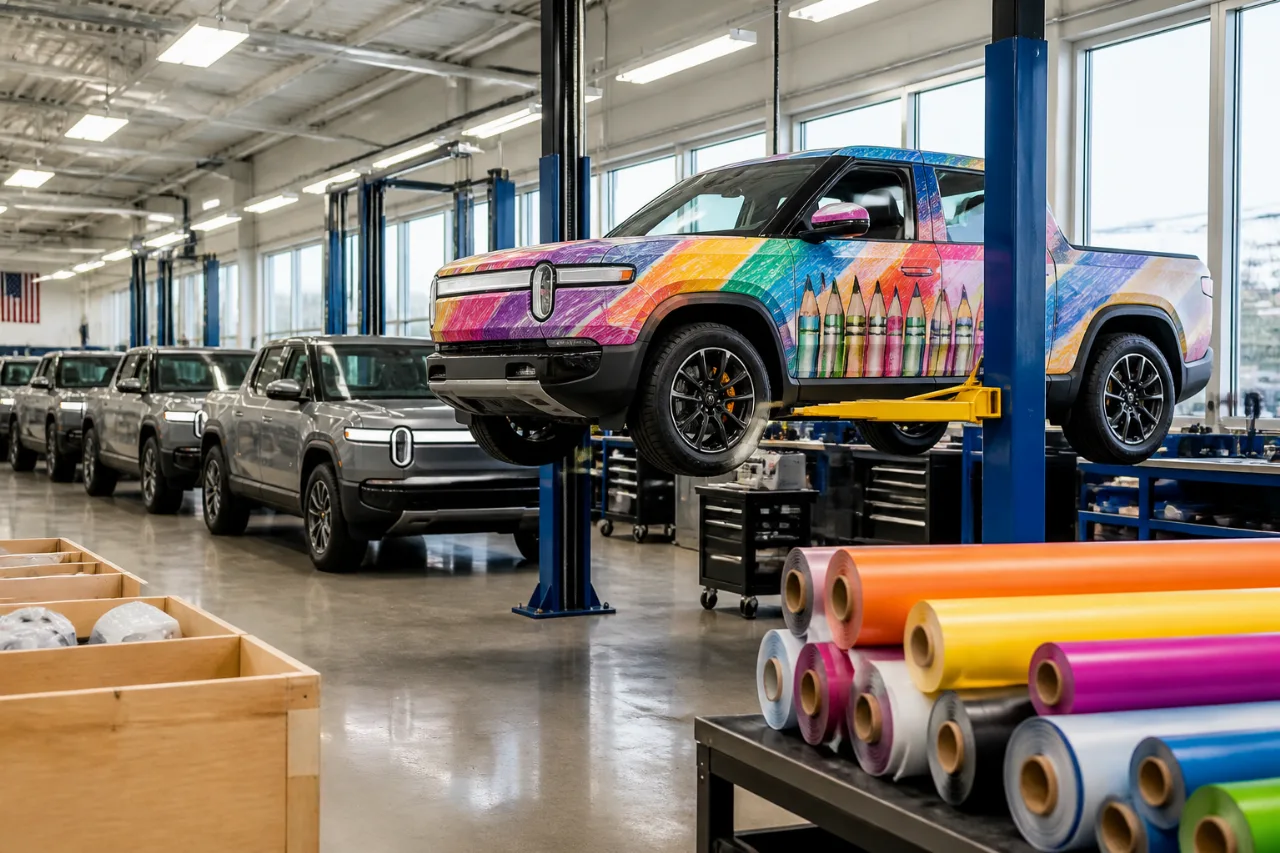
To reduce production expense, Slate omits a factory paint shop. Vehicles leave its Warsaw, Indiana plant in a neutral gray. Buyers who prefer another look can add a wrap produced by Slate after purchase. That approach lets the company advertise a lower starting price while creating add-on revenue streams.
- Base price for the small pickup: $24,950.
- Standard full-body wraps begin at about $500 from Slate.
- Crayola-branded bundle costs $1,549.99, about three times a basic wrap.
Product and pricing details
The Crayola bundle includes a full vehicle wrap, three exterior decals, an interior air vent clip-on and a key fob cap. Slate will offer five crayon-inspired shades: fern green, jersey tomato red-orange, dandelion yellow, razzmatazz pink and cerulean blue. The company said the partnership is its most vivid—and among its priciest—exterior options so far.
"Crayola is an iconic company that people grew up with," Jeff Jablansky, Slate's head of public relations, said. "We're the first automaker they've partnered with."
Implications for consumers and the company
For buyers, Slate's model separates vehicle purchase from exterior customization, allowing an initially lower purchase price with optional post-sale personalization. For Slate, the approach creates multiple revenue lines: the base vehicle sale, optional wraps at different price points, and higher-margin branded bundles like the Crayola package.
The strategy also reflects broader industry trends: startups seeking ways to reduce capital intensity and provide differentiated offerings without the legacy overhead of established automakers. Slate's decision to skip a paint shop reduces upfront costs but shifts final appearance choices and production sequencing to after the vehicle leaves the factory.
As Slate moves toward customer deliveries, the Crayola collaboration illustrates how EV startups can tap brand partnerships and add-on pricing to attract buyers who want more than the market's prevailing neutral palette.