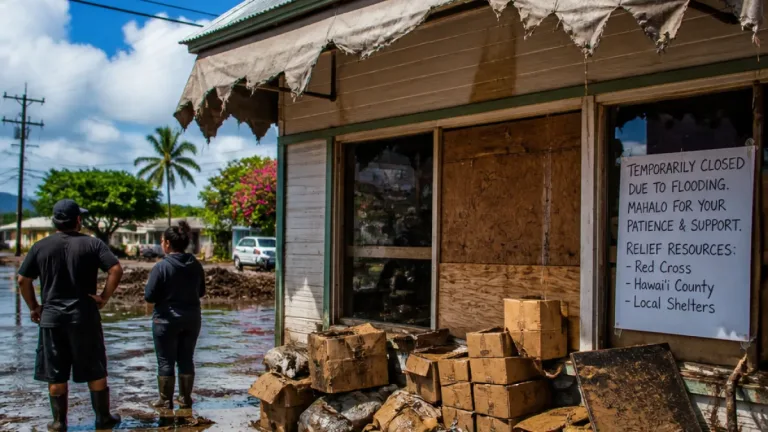
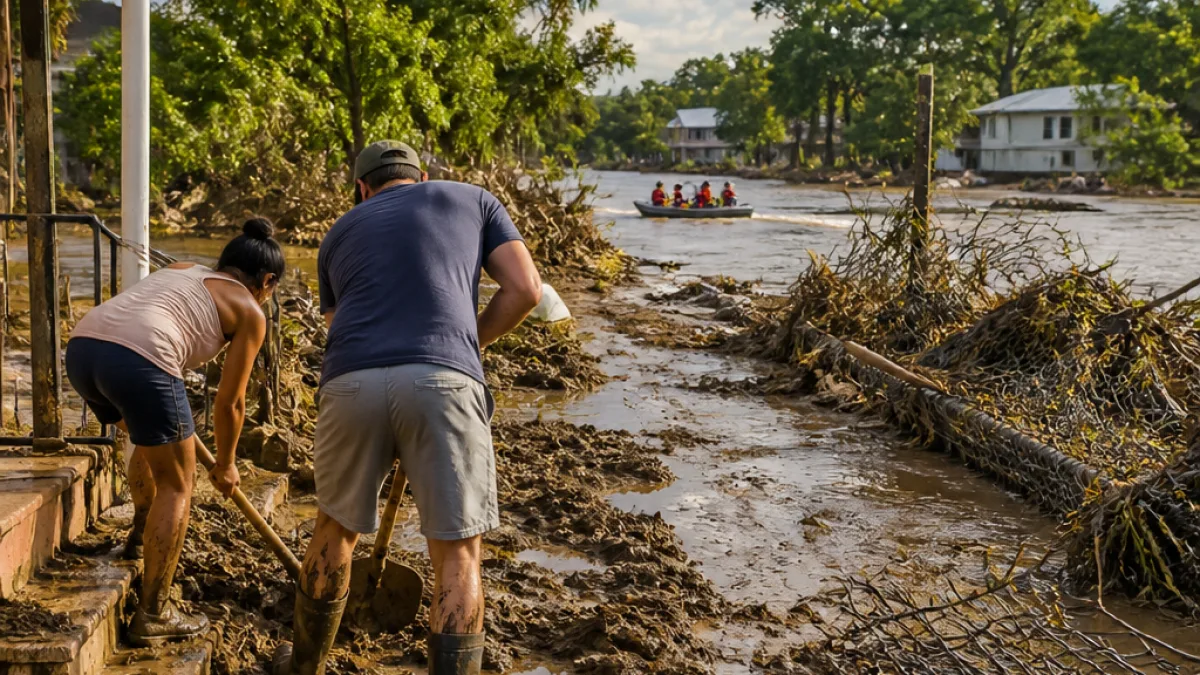
UVALDE, Texas — Residents in parts of central Texas started clearing mud and debris Friday after floodwaters that fell over several days began to pull back, even as dangerous flooding continued to menace other communities downstream.
Rescue operations, road reopenings and ongoing threats
State and local emergency crews reported more than 200 rescues by boat and helicopter since the storms began Tuesday, officials said. The Texas Game Wardens and the Texas Department of Public Safety were among those conducting water and aerial extractions of stranded motorists and people trapped inside homes.
"The water's up to the top of the banks," Sutton County Chief Deputy Jon Gann said.
Authorities carried out a boat rescue in Sonora after the National Weather Service issued a flash-flood emergency for the city in Sutton County, roughly 170 miles northwest of San Antonio, as the Dry Devils River pushed toward residential areas. Officials urged people in low-lying river areas to evacuate immediately.
In Uvalde, one of the hardest-hit cities, flood levels fell enough for crews to reopen U.S. Route 90, which had been submerged Thursday and cut off most access to the community. While some sectors moved from response to recovery, the slow-moving weather system was expected to shift northwest, posing renewed heavy-rain and flash-flood risks for western Texas, including parts of the Big Bend region.
Human toll and downstream concerns
Officials confirmed at least two fatalities tied to the flooding. One person was swept away while driving on a flooded road near Uvalde; another victim, identified as a 65-year-old Kerrville resident, died after his mobile home was carried into Goat Creek, a tributary of the Guadalupe River.
Flood warnings remained in effect downstream through the weekend as forecasters cautioned that several rivers could still approach historic flood stages. In some areas west of San Antonio, communities reported more than 2 feet of rainfall since the storms began.
What residents need to know
- Follow evacuation orders and avoid low-lying areas near rivers and creeks.
- Do not drive through floodwaters; rescuers repeatedly caution that even shallow, fast-moving water can sweep vehicles away.
- Monitor local emergency channels and the National Weather Service for updates on river levels and additional warnings.
Governor Greg Abbott highlighted the scale of the response as crews continued to assist communities across the zone of impact. As recovery work expands, officials warned residents to remain vigilant for additional rain and rising waters in areas that have not yet seen the worst of the system.
| Key figures | Reported |
|---|---|
| Rescues (by boat/helicopter) | More than 200 |
| Confirmed deaths | 2 |
| Rainfall in hardest-hit spots | Over 2 feet |
Cleanup and recovery will continue in the coming days, but emergency officials stressed that areas downstream should prepare for sustained high water as the drainage from saturated terrain works its way through rivers and creeks.