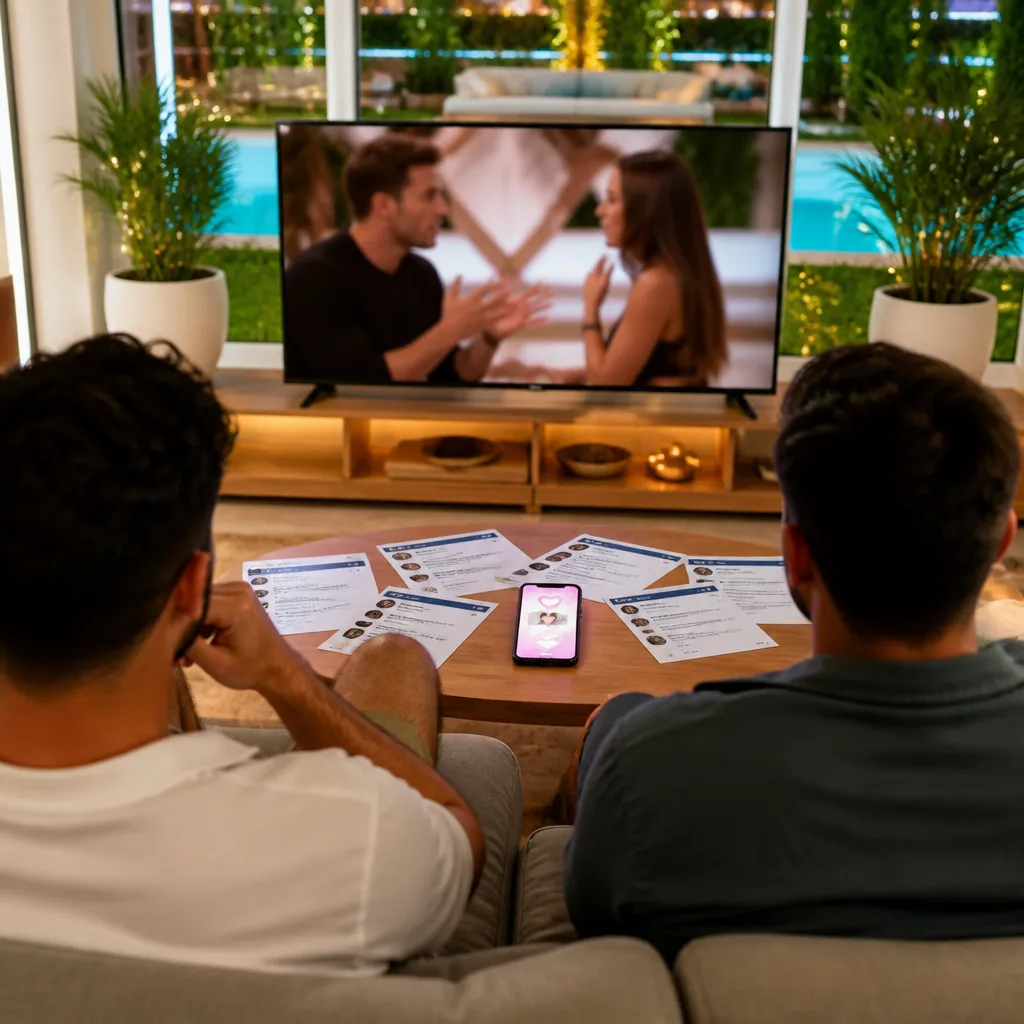
The current season of Love Island USA has become less a straightforward dating contest and more a persistent examination of how modern online masculinity—or what critics call the manosphere—manifests inside the villa. The show’s format, with contestants under constant observation and viewers voting on pairings, has turned it into a national lens for questions about misogyny, race, colorism and class.
Patterns of behavior under scrutiny
Rather than a single rogue antagonist, this season has presented a sequence of troubling interactions and strategic manipulations by multiple men toward their female partners. Commentary and viewer response have focused on recurring tactics: gaslighting, omission of key information, demeaning language and serial dishonesty.
- Zach was accused of seeding doubt among other men — notably Bryce and KC — and misleading Kayda by withholding that his Casa Amor connection had been removed, while implying he would have chosen her over Alannah despite having no choice but to return alone.
- Corbin responded to a bombshell by declaring he would toss Kenzie “
out the window
,” language viewers noted for its brusque dehumanization. - KC referred to his initial connection Aniya as “
grandma
” after she declined sex following three weeks together, and made public comparisons between Aniya and another woman, Tierra, during a recoupling. - Sincere was flagged for a pattern of lying — presenting false promises to his primary connection, Melanie, while also making assurances to others such as Sol and Amora that did not hold up.
What viewers are seeing
The season’s structure—constant surveillance, engineered temptations like Casa Amor and public recouplings—amplifies these behaviors and forces them into the spotlight. Viewers have been cataloging offenses rather than pointing to one standout villain, interpreting a broader cultural current at play rather than isolated lapses in judgment.
| Contestant | Behavior called out |
|---|---|
| Zach | Omitted Casa Amor detail; sowed doubt in other men |
| Corbin | Threatening language after bombshell |
| KC | Demeaning comment toward Aniya; public comparisons |
| Sincere | Repeated lies and empty promises |
Broader implications
Observers argue the pattern reveals how online subcultures that promote antagonistic masculine norms can seep into mainstream entertainment, shaping real interactions on national television. Because Love Island USA prizes authenticity and couples’ chemistry, the exposure of these tactics fuels wider debates about accountability in reality TV and the cultural forces that influence contestants off-camera.
As audiences continue to watch and discuss the season, the conversations extend beyond the villa: about how television reflects and magnifies social attitudes, and how popular formats both reveal and reinforce patterns of behavior. For a program that invites viewers to judge relationships nightly, this season has highlighted that those judgments now come with a larger cultural critique.