NEW YORK — A Richmond County judge on Tuesday ordered Mayor Zohran Mamdani’s administration to redo its rollout of the city’s new pied‑à‑terre tax, voiding notices already sent to homeowners and eliminating the current exemption process.
What the ruling requires
Judge Wayne M. Ozzi sided with homeowners who challenged the way the city implemented the surcharge on secondary residences valued at more than $5 million — and on co‑ops valued at $1 million or more, under the policy adopted in the mayor’s 2027 fiscal budget. The court found that the Department of Finance did not perform adequate individualized determinations before notifying property owners that they may be subject to the new charge.
Under Ozzi’s order:
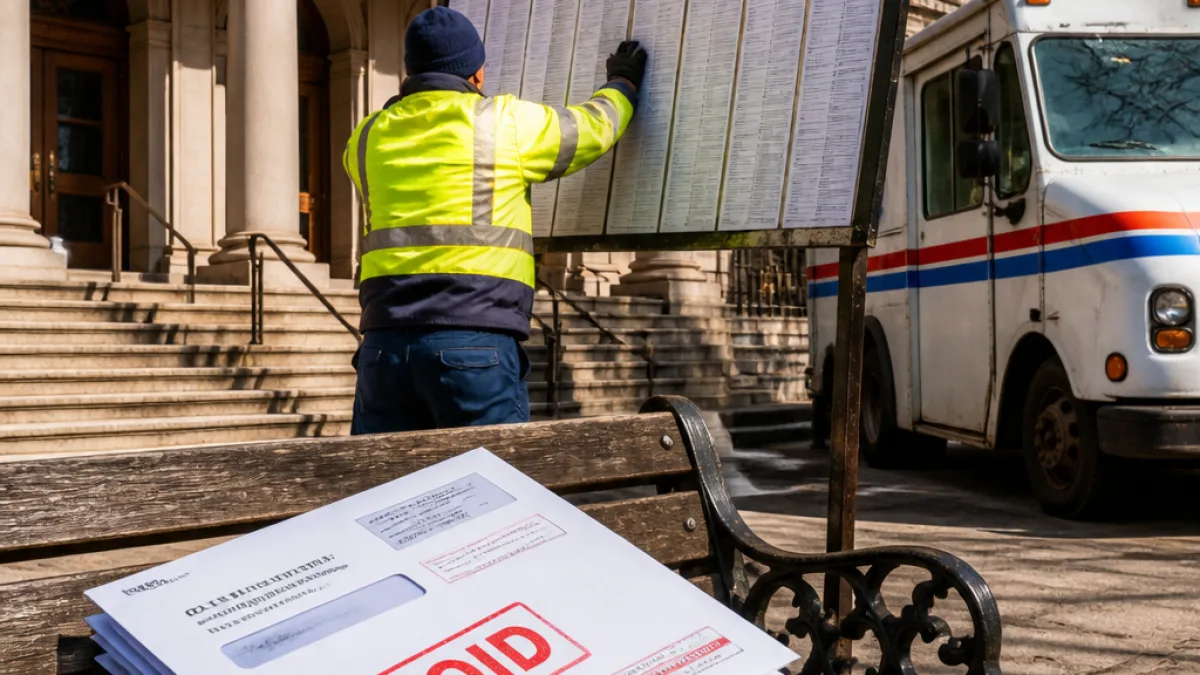
- Mailings already sent to roughly 17,000 property owners are effectively canceled and must be reissued.
- A publicly posted roll that included names and addresses of about 900,000 city homeowners must be removed; it may be replaced with a narrower roll listing only properties actually subject to the surcharge.
- The city’s exemption process as implemented was struck down as an unlawful shift of the burden onto homeowners.
The judge instructed the city to mail new notices "in compliance with the intent of the law," and specified that future notices can only go out after the Department of Finance conducts individualized initial determinations using all available resources and information.
"We’re gratified that the court has recognized we were right all along. The fact is that this administration failed to follow state law when it burdened New York City homeowners with proving they live in
Immediate impact for homeowners and the city
The ruling comes roughly one week before an exemption filing deadline the city had set, creating uncertainty for residents who received earlier letters indicating they might owe the surcharge if they did not file for exemption.
For homeowners, the court action restores a measure of protection against being incorrectly labeled as owners of non‑primary residences. For the Mamdani administration, the decision requires a pause and retooling of the communications and administrative steps tied to the tax — potentially delaying revenue collection tied to the surcharge.
Background and next steps
The pied‑à‑terre surcharge was presented by the mayor as a tool to help close a budget gap in the 2027 fiscal plan. The rollout drew scrutiny after the Department of Finance published a large property roll in July that included many owners who may not be subject to the charge, and after the initial wave of letters went to tens of thousands of households.
| Item | Approximate number |
|---|---|
| Notices initially mailed | 17,000 |
| Homeowners included on public roll | 900,000 |
The court’s orders require the city to take concrete administrative steps before sending new communications. City officials will need to clarify the process by which properties are identified as subject to the surcharge and rebuild the exemption workflow to place the initial burden on the Department of Finance rather than on homeowners.
Legal counsel for the plaintiffs framed the ruling as a vindication of homeowners’ concerns about procedural fairness. The administration will now weigh its options, which could include an appeal or a revised compliance plan that satisfies the court’s directives.
This decision will affect property owners across all five boroughs and could have ripple effects on the projected revenues tied to the surcharge as the mayor’s office adjusts its timetable.
(Ava Rosenberg, News Block)