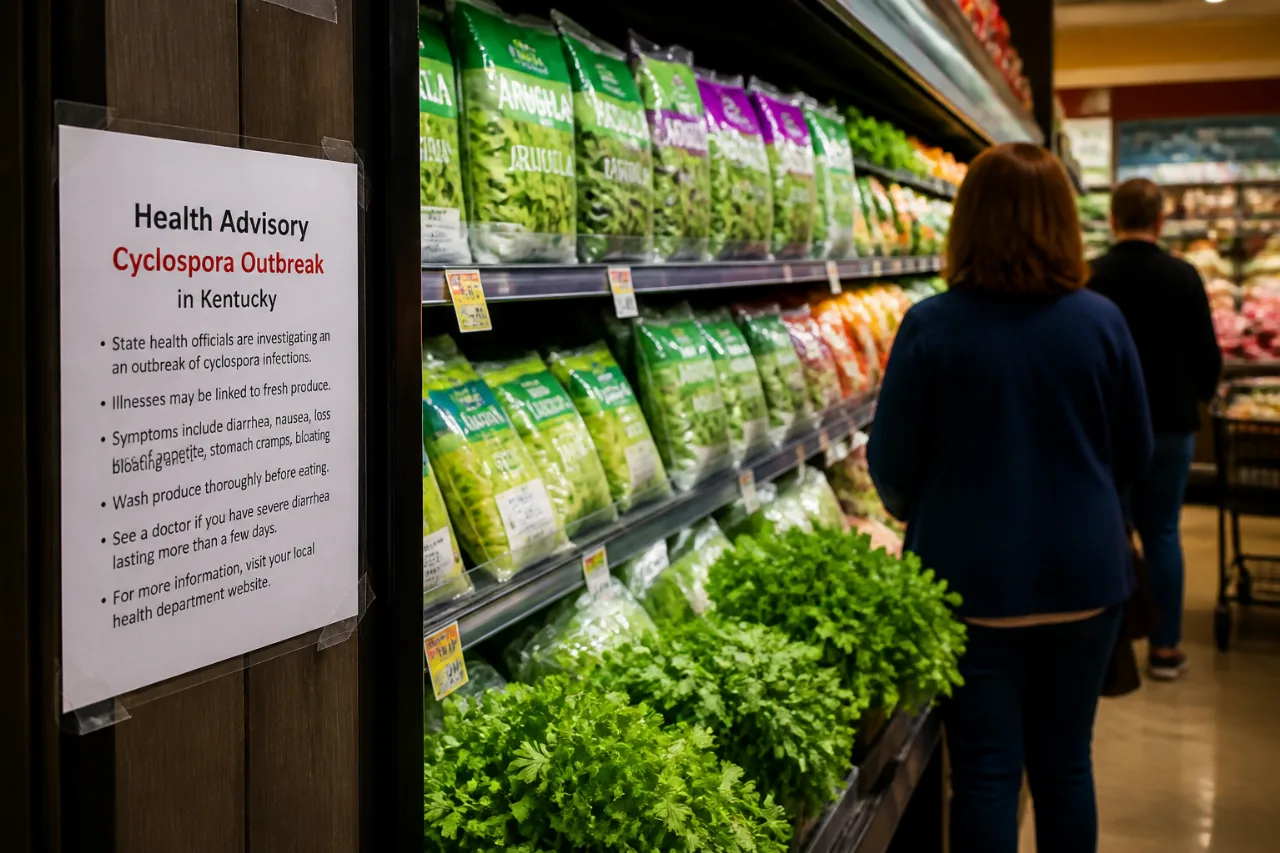
Kentucky public health officials have reported a rise in cases of cyclospora, a parasite that causes the intestinal illness cyclosporiasis, as part of a broader surge affecting many U.S. states this summer. The Centers for Disease Control and Prevention received reports of between 31 and 80 confirmed cases in Kentucky as of July 10, federal figures show.
What the parasite is and how it spreads
The CDC says cyclospora is typically linked to contaminated food or water and in the United States is most often found on fresh produce. Unlike viruses or bacteria that can be infectious immediately after leaving a person, cyclospora must mature in the environment. That feature makes direct person-to-person transmission uncommon.
"Cyclospora are most seen during the warmer months making their 'season' May 1 through August 31," the CDC said.
Because symptoms can take several days to two weeks to appear after exposure, tracing the contaminated source is difficult and investigations can lag behind the onset of illness, public-health officials say.
Scope and numbers
Nationally, the CDC had received 843 confirmed reports of cyclosporiasis since May 1 and recorded 86 hospitalizations as of July 9; no deaths have been reported. At least one case has been identified in 31 states. Health departments caution reported numbers likely undercount the true number of infections because not everyone seeks care or is tested.
| Jurisdiction | Reported cases (as of early July) |
|---|---|
| Kentucky | 31–80 |
| United States (total) | 843 |
Symptoms and precautions
The infection affects the small intestine and commonly causes watery diarrhea, often accompanied by other gastrointestinal symptoms. Because the parasite is typically associated with contaminated produce, the CDC emphasizes careful food handling and awareness during the May-through-August period when cases are most frequently reported.
- Know the timing: symptoms can appear 2 days to 2 weeks after exposure.
- Consider testing: people with persistent watery diarrhea should consult a health care provider about testing for cyclospora.
- Practice safe produce handling: public-health guidance points to fresh produce as a common vehicle for infection.
State and local health departments typically coordinate with the CDC and federal partners to investigate outbreaks and identify contaminated food sources when possible. Given the lag between exposure and illness, pinpointing a specific food item can take time.
For Kentucky residents, the current rise in reported cases highlights the practical stakes: increased burden on clinical testing and treatment resources, the potential for localized outbreaks, and the importance of public awareness about symptoms and food-safety practices during the summer produce season.
Health officials continue to monitor the situation and urge anyone experiencing prolonged diarrheal illness to seek medical advice and testing recommendations from their health care provider.