Access to groceries remains uneven
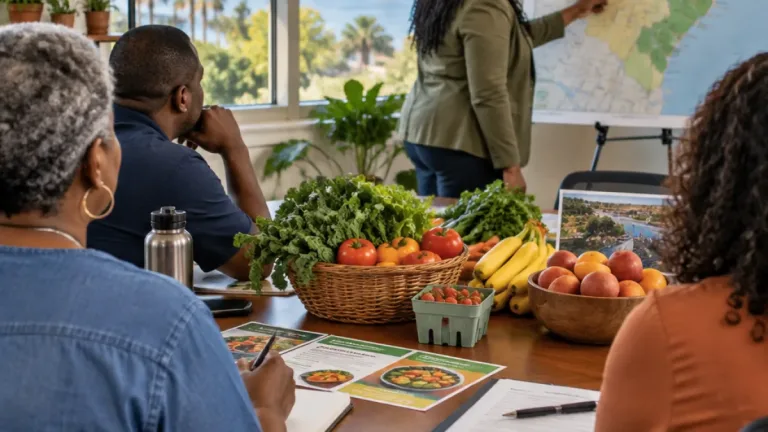
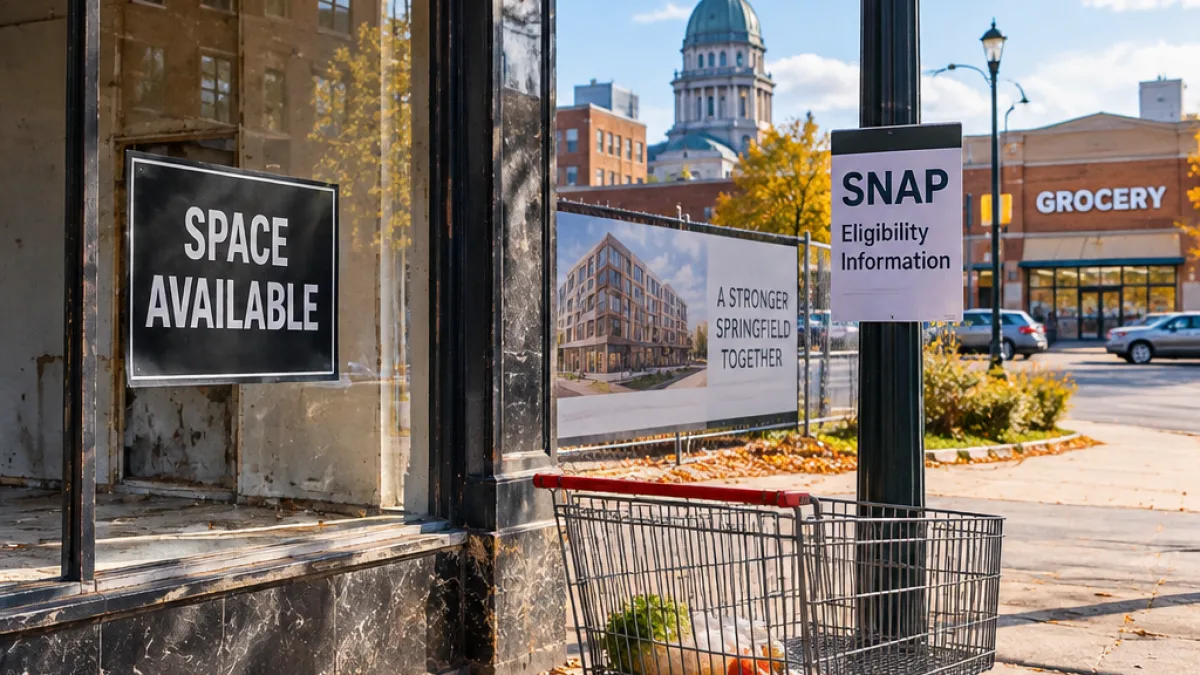
For some Springfield residents, buying groceries is not simply a matter of comparing prices. Where a person lives can determine how easily they can reach a store carrying everyday essentials. City leaders are now examining ways to address what local officials describe as a growing food desert problem, particularly in parts of downtown and other areas with limited grocery options.
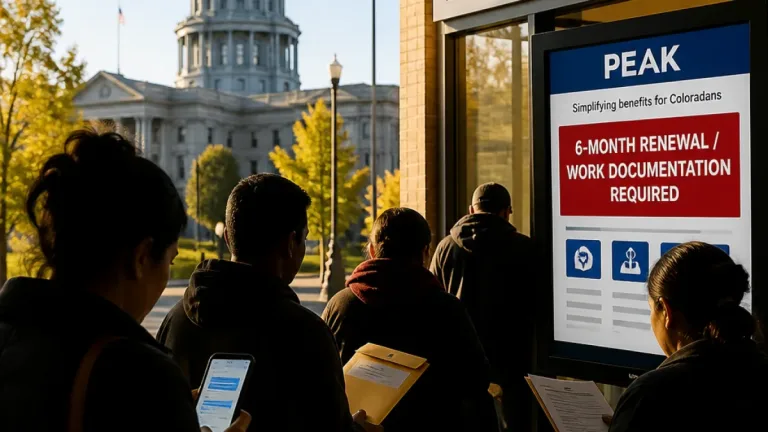
The concern comes as food costs remain higher than they were last year for Illinois households. The source report also points to changes made earlier this year to the Supplemental Nutrition Assistance Program, or SNAP. Under a proposed rule from the U.S. Department of Agriculture dated Nov. 10, about 225,000 Illinois residents could be at risk of losing eligibility. That figure represents 15.7% of SNAP recipients in the state, according to the report.
Those pressures make the location of grocery stores especially important. Jay Shanle, director of Downtown Springfield Inc., said downtown has been part of the city’s larger food-access challenge for decades. He traced the issue to the 1980s, when Osco Drug served as a staple at 510 E. Adams St. in the downtown square. A more recent effort, Milk & Honey, operated as a corner grocery near Cafe Moxo and Elf Shelf beginning in 2018, but the store has since closed.
“There is no one solution that addresses all of downtown's needs.”
Shanle said the response will require a series of connected improvements rather than a single project or centrally imposed list of priorities. His comments linked grocery access to broader downtown development, including housing, public spaces, entertainment and other daily necessities. The approach would place food availability within a larger question for Springfield: how to make neighborhoods more useful and livable for residents who need essential services close to home.
State program could support new stores
One possible source of assistance is the Illinois Department of Commerce and Economic Opportunity’s New Stores in Food Deserts program. The initiative is part of the Illinois Grocery Initiative and is expected to distribute just under $21 million to retailers based on need. Eligible awards range from $500,000 to $5 million for expenses such as buying property, purchasing equipment or covering startup costs.
- Program: New Stores in Food Deserts
- Funding pool: Just under $21 million
- Potential awards: $500,000 to $5 million
- Eligible uses identified in the report: Property, equipment and startup costs
Shanle identified vacant buildings downtown as possible opportunities for the program. He said he believes downtown, considered as a census tract, qualifies as a food desert. The report does not identify a selected retailer or confirmed award for Springfield, but it notes that a new grocery store called 7's Groceries is expected to open soon on the city’s east side.
What residents may watch next
The city’s effort will unfold alongside the state and federal decisions affecting grocery affordability and food assistance. For Springfield households already managing higher prices, the availability of a nearby store can affect more than convenience: it can shape how far people must travel for food and how much time and money they spend getting it. Local leaders are looking at downtown redevelopment, vacant properties and state funding as pieces of a broader response, while the proposed SNAP changes could add to the urgency for residents who depend on the program.