
Two senior FIFA officials publicly broke ranks Friday over President Gianni Infantino’s proposal to create a commercial vehicle worth $20 billion by selling stakes in the governing body’s flagship tournaments. The actions mark the most visible internal resistance yet to a plan that would hand private investors a slice of World Cup-related revenue.
Resignation and a charge of deception
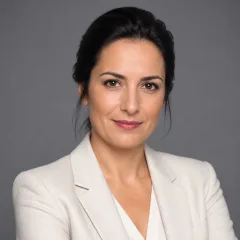
Carlos Cordeiro, who served as FIFA’s representative to the White House task force for the World Cup and is a former U.S. Soccer Federation president, resigned from his role as a presidential adviser in protest. In a statement, Cordeiro said he could not remain while FIFA considered selling a stake in the World Cup, calling the transaction — which would spin off commercial rights into a subsidiary with 20% outside ownership — a “bad deal for football.”
"I cannot stand by while FIFA considers selling a stake in the World Cup,"
Kevin Lamour, FIFA’s chief operating officer, stopped short of resigning but issued a blunt assessment of how the proposal was handled. Lamour said staff had been "deceived" by a lack of transparency around the private investor scheme and that employees deserved better than "contempt and intimidation." The longtime colleague of Infantino warned the project appeared to be driven by one person and urged football’s political leaders to ask themselves difficult questions.
What the officials are opposing
Infantino’s plan would separate FIFA’s commercial businesses — including the men’s and women’s World Cups and Club World Cups — into a new entity capitalized at $20 billion. Private investors would take a 20% stake in that commercial subsidiary, leaving FIFA with the remaining interest. Critics inside FIFA view the plan as risky for the sport’s governance and as a giveaway of valued assets to outside investors.
- Carlos Cordeiro — resigned as presidential adviser; called the plan a bad deal.
- Kevin Lamour — chief operating officer; said staff were deceived but has not resigned.
- Gianni Infantino — FIFA president; architect of the proposal to spin off commercial rights.
Why it matters to American readers
The dispute has an American dimension: Cordeiro’s ties to U.S. soccer and the White House task force make his protest a notable rebuke in Washington-facing circles. The plan’s commercial ramifications would affect broadcast rights, sponsorships and ticketing arrangements that involve U.S. networks and corporate sponsors. For fans and policymakers, the question is whether a fundamental global sporting asset should be partially controlled by private investors and how that might reshape access, pricing and governance.
| Official | Role | Action / Comment |
|---|---|---|
| Carlos Cordeiro | Presidential adviser, FIFA | Resigned; called the deal "bad for football" |
| Kevin Lamour | Chief operating officer, FIFA | Said staff were "deceived"; urged leaders to act |
| Gianni Infantino | FIFA President | Proposed spin-off of commercial rights into $20B subsidiary |
Lamour’s warning that the project is the work of a single official underscores a larger governance debate at FIFA: how decisions that reshape the sport’s commercial architecture should be taken, and by whom. The public split between senior executives raises the political cost for Infantino as FIFA’s 211 member associations prepare to consider the proposal.
As opposition builds within the organization, the coming weeks will test whether membership — which must approve any major restructure — backs a plan that could hand private investors a permanent stake in the business of the World Cup, or whether internal resistance will force a rethink. For now, the resignation and the COO’s charge have put transparency and stewardship at the center of the debate.