
FIFA president Gianni Infantino has apologized after proposing to sell stakes in future World Cups — but European governing bodies and England remain unpersuaded, keeping a threatened boycott in place and exposing a widening rift in world football.
What happened
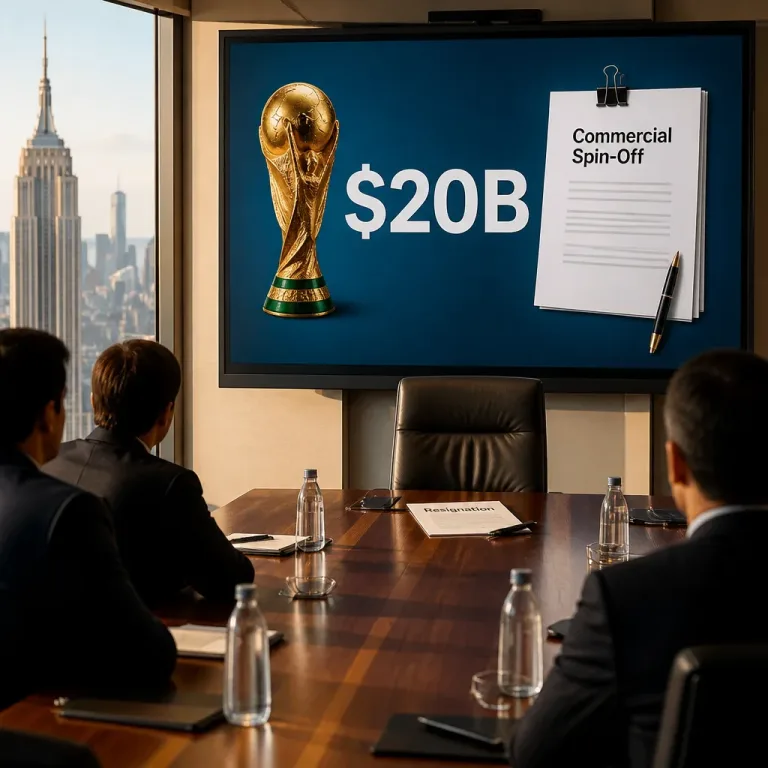
The controversy began when FIFA pursued a plan to invite private investors to buy stakes in future World Cups, a commercially driven proposal that triggered sharp criticism from European federations and other stakeholders. Infantino publicly acknowledged errors in the process, saying, in effect, that “mistakes were made.”
"Mistakes were made"
Despite that admission and a formal apology, UEFA said the measures taken so far do not go far enough to end its threat of a boycott. Reports also indicate the English Football Association has withdrawn its backing for Infantino, while figures outside football — including Canadian Prime Minister Mark Carney — joined the chorus of criticism.
Why it matters
The standoff threatens the governance and commercial future of the World Cup, the sport’s flagship event. If UEFA follows through on a boycott, the tournament’s legitimacy and competitive balance would be profoundly affected: European national teams and clubs supply a large portion of top-tier global talent, and UEFA is a major commercial partner for FIFA.
- Infantino’s proposal: Selling stakes in future World Cups to private investors.
- Reaction: Strong opposition from UEFA and reports of the English FA withdrawing support.
- Broader fallout: Political and institutional figures publicly criticized the plan.
Where this goes next
UEFA has not rescinded its boycott threat, saying that the apology and changes so far do not resolve the underlying concerns about process and leadership. FIFA’s attempt to commercialize future editions of the World Cup exposed divisions over how to finance and govern global football, and both sides face pressure from broadcasters, sponsors and national associations to find a path forward.
| Key event | Reported outcome |
|---|---|
| Infantino’s private investment plan | Widespread criticism across Europe |
| Infantino apology | UEFA keeps boycott threat; English FA reportedly withdraws support |
For U.S. fans and stakeholders in the sports industry, the dispute underscores how governance battles at international bodies can reverberate across rights deals, tournament planning and athlete participation. The next steps — whether further concessions, mediation or an intensified standoff — will determine whether FIFA can stabilize its leadership and preserve the World Cup’s global standing.