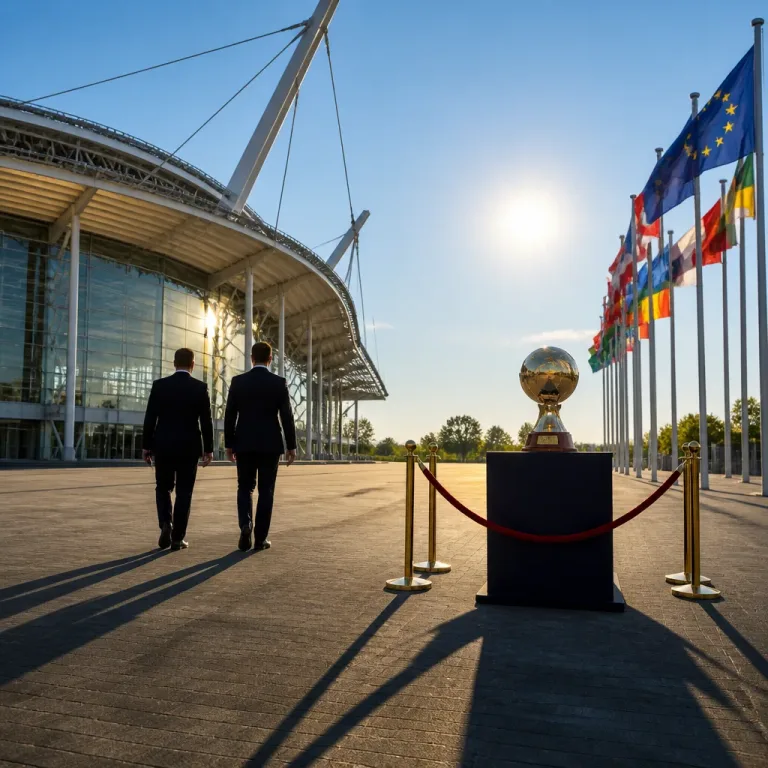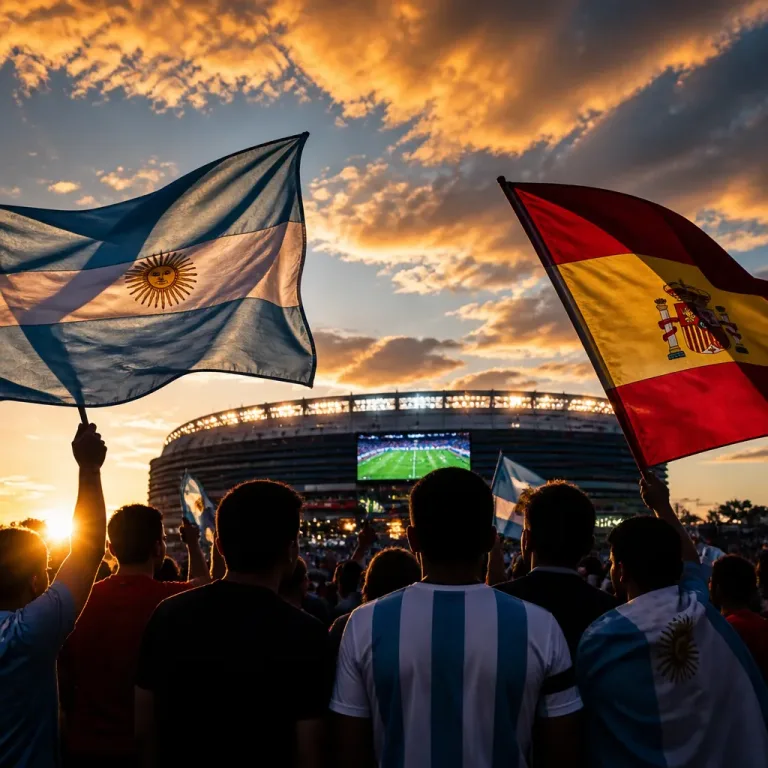

FIFA President Gianni Infantino said the governing body will examine the prospect of expanding the men's World Cup to 64 teams after the 2026 tournament, framing the discussion as part of a broader push to open football’s flagship event to more nations.
Why FIFA is considering an expansion
Infantino told Swiss broadcaster Blue Sport that the proposal will be taken up by the relevant FIFA committees following the 2026 World Cup, which is the first to feature 48 teams and is being staged in the United States, Canada and Mexico. He said organizers must consider the entire world — not just Europe and South America — and that widening access helps preserve the incentive for smaller federations to improve.
"When you organize a World Cup, it's important that you organize it for the whole world. ... Every nation should be able to dream of taking part in the World Cup."
Background and competing views
The idea of a 64-team format first surfaced publicly in March 2025 when CONMEBOL proposed expanding the centenary 2030 World Cup. In follow-up meetings, Infantino met with CONMEBOL president Alejandro Domínguez and leaders from national associations in South America to discuss the concept. Domínguez has argued for a "historic" and inclusive tournament as the 2030 event approaches.
But the proposal has its critics. CONCACAF president Victor Montagliani previously told ESPN he does not believe a move to 64 teams is the right decision for the tournament itself or for the broader football ecosystem, citing impacts on national teams, club competitions and domestic leagues.
Possible implications
- More representative global participation, potentially increasing interest in regions currently underrepresented at the World Cup.
- Expanded tournament logistics: more matches, venues and travel demands for host countries and participating teams.
- Scheduling and player workload concerns that could affect club competitions and international windows.
Infantino emphasized rising global standards — that the quality of teams is "extremely high" and improving worldwide — as a rationale for widening access. He framed the change as a way to preserve motivation among smaller nations to invest in their national teams.
Where things stand
FIFA’s committees will review the idea after the 2026 tournament concludes. Any move toward 64 teams would require detailed consideration of format, qualification pathways, commercial arrangements and the calendar that governs international and club football.
| Previous format | Current (2026) | Proposed |
|---|---|---|
| 32 teams | 48 teams | 64 teams |
As FIFA weighs the next steps, the debate will hinge on balancing broader inclusion with the practical demands of staging football’s premier event. For U.S. audiences, the outcome will influence how future tournaments are scheduled, where they might be hosted and how the game’s global growth is managed.