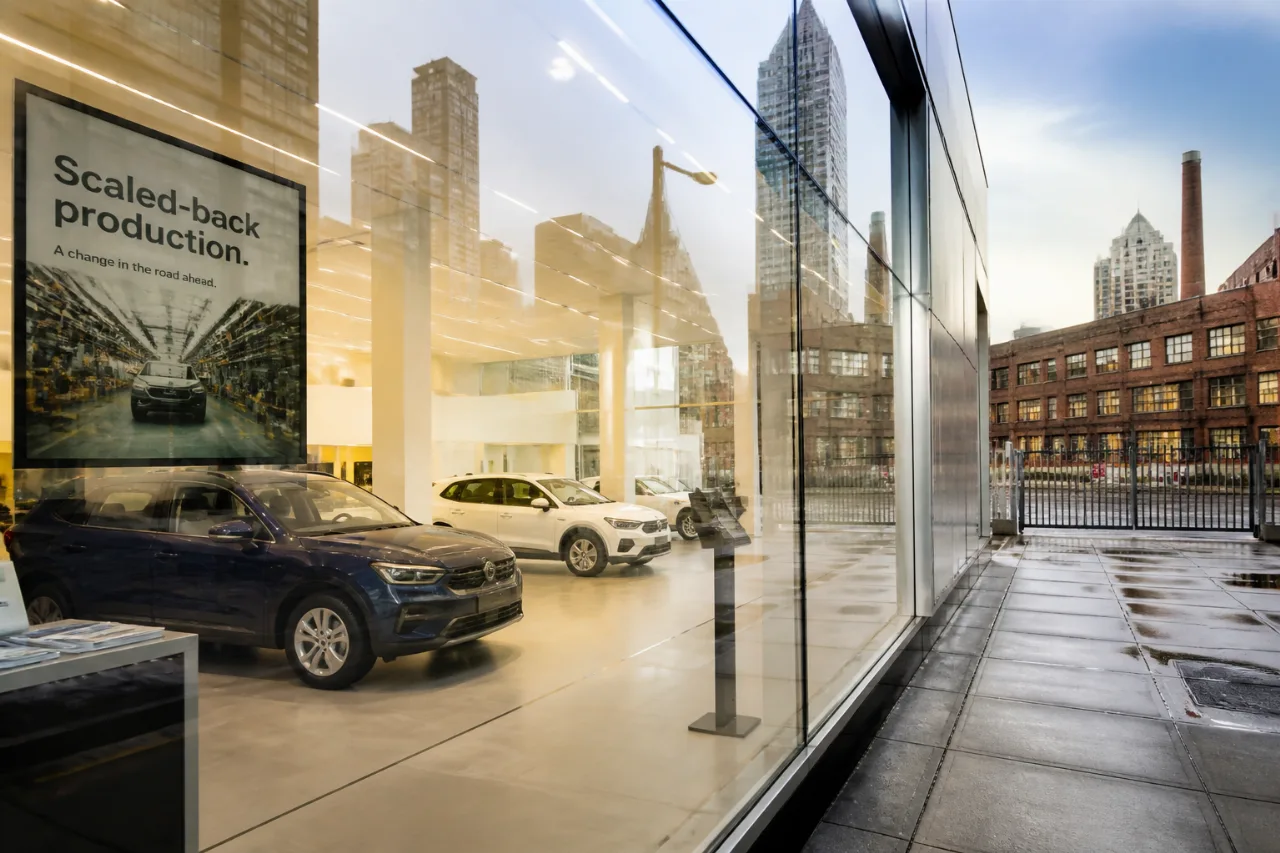
Volkswagen announced July 9 that it will sharply reduce the number of vehicle models it offers and scale back its production target as the company confronts a rapid shift in the global auto market toward electric vehicles and intense competition from Chinese manufacturers.
What the company said
In a statement released after a supervisory board meeting, Volkswagen said it intends to cut its model lineup by as much as 50% and set an annual production objective of 9 million cars — down from goals of 12 million before the pandemic and roughly 10 million more recently.
“There was a need to get rid of excess capacity,”
The quote appeared in a video message from Volkswagen Chief Executive Oliver Blume, who also noted that the geopolitical situation had become more critical in the past year.
Scale and risk for workers
The plan did not include immediate details about how many jobs could be affected or which factories might close. German media reports in recent days suggested the company could lay off as many as 100,000 workers by the end of the decade and shut four factories in Europe, though those figures were not confirmed in Volkswagen’s release.
Labor representation and political leaders in the German state of Lower Saxony hold a majority on VW’s 20-person supervisory board and have historically opposed abrupt, large-scale cuts — signaling that any restructuring will involve complex negotiations.
Industry context and local ties
Volkswagen is central to Germany’s industrial base, operating plants such as the one in Zwickau and maintaining operations in locations like Neckarsulm. The company’s move reflects broader pressure on incumbent automakers to simplify operations and reduce costs as they shift from internal-combustion models to battery electric vehicles — a transition that has enabled the rapid rise of several Chinese competitors offering lower-priced, tech-forward EVs.
- Model reduction: Up to 50% fewer models planned.
- Production target: New goal of 9 million vehicles annually.
- Possible workforce impact: Reports suggest up to 100,000 job cuts and four factory closures (not confirmed by VW).
What to watch next
Key developments to follow include detailed proposals from Volkswagen about which brands or models will be reduced, formal notices of plant closures or layoffs, and the outcomes of negotiations with labor representatives and state political leaders. These decisions will determine both immediate economic impacts in auto-producing regions and the company’s longer-term competitiveness against rapidly growing Chinese EV manufacturers.
| Item | Previous | New/Reported |
|---|---|---|
| Annual production goal | 12 million (pre-pandemic); ~10 million recently | 9 million |
| Model lineup | Full range across many brands | Reduce by up to 50% |
| Reported potential job cuts | — | As many as 100,000 (reported by German press; not confirmed) |
As Volkswagen adjusts to a more competitive EV market, communities that rely on auto factories will be watching closely for formal plans and timelines. The company’s decisions will ripple through suppliers, regional economies and labor markets across Europe.
Ava Rosenberg is News Block’s New York correspondent.