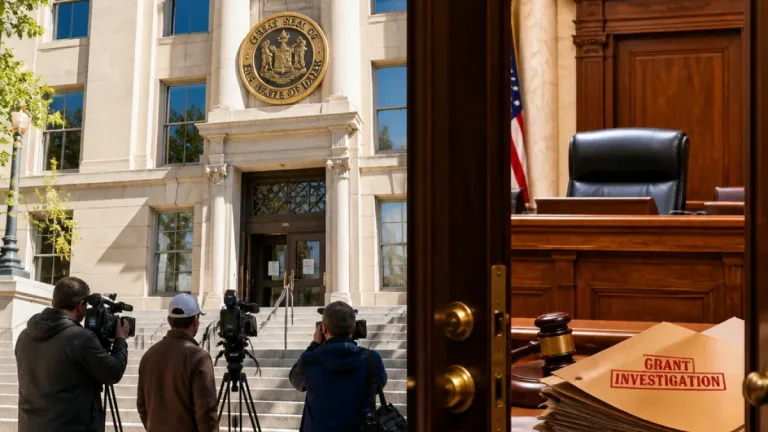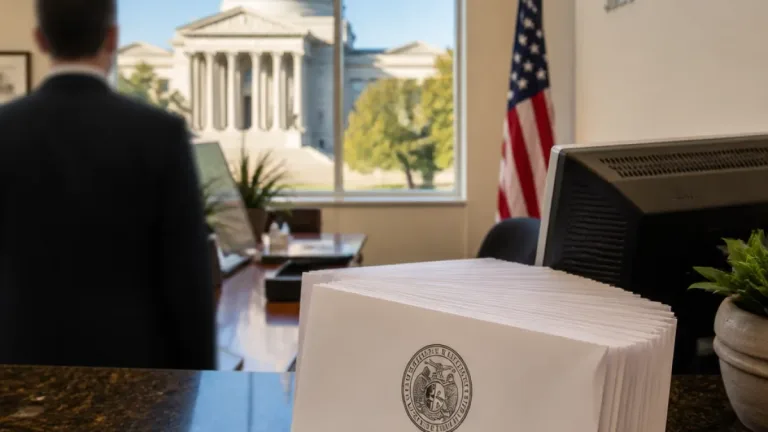

LANSING — Gov. Gretchen Whitmer vetoed a package of nine bills Friday, acting hours after the Michigan Supreme Court ruled the measures must be forwarded to her office for approval. The bills, which cleared both chambers two years ago, had not been sent to the governor after a change in House control in 2025.
Why the bills were delayed and why Whitmer vetoed them
Lawmakers originally passed the measures in late 2024, but they were not transmitted as required following the 2025 legislative turnover. The Republican-led House at the time refused to deliver the enrolled bills to the governor, a move that prompted legal questions and a court review.
In explaining her decision to veto the package, Whitmer pointed to the bills' expired effective dates and the practical problems of trying to implement changes retroactively — including the administrative burden that would follow if the measures were treated as immediate law despite the lapse of time.
Impact on corrections employees and reactions
The bills included provisions aimed at improving pensions for corrections officers. Ray Sholtz, executive director of the Michigan Corrections Organization, said the measures were intended to help retain staff amid persistent vacancies.
"When I hired in, in 1997, there was 1,100 people on the waiting list to be state corrections officers. Now we've got almost 1,000 vacancies statewide,"
Sholtz told CBS Detroit he had been advocating for pension improvements for years and described the stalled process as a setback to efforts to stabilize staffing.
Senate Majority Leader Winnie Brinks, a Democrat, criticized the House action that kept the bills from the governor, saying lawmakers were improperly ignoring constitutional procedure.
"We never really got a good reason other than they thought they could,"
Brinks said. "It's very concerning that anyone would be of the mind that they can just ignore the Constitution."
House Speaker Matt Hall, responding to the vetoes, issued a statement expressing sympathy for Democrats who had worked on the bills only to see them rejected by the governor.
What the package covered and next steps
The five main themes in public statements about the package included corrections employee benefits and other unspecified reforms passed in late 2024. Because the governor vetoed the measures, the legislation will not take effect unless lawmakers reintroduce the bills or override the vetoes.
- Number of bills vetoed: 9
- Original passage: Late 2024
- Transmission delay: Should have been sent in early 2025
- Governor's rationale: Expired effective dates and administrative challenges of retroactivity
| Actor | Position | Public comment |
|---|---|---|
| Gretchen Whitmer | Governor | Vetoed nine bills; cited expired effective dates and retroactivity concerns |
| Ray Sholtz | Michigan Corrections Organization | Noted nearly 1,000 vacancies statewide; advocated for pension improvements |
| Winnie Brinks | Senate Majority Leader | Questioned why bills were withheld; cited constitutional concerns |
| Matt Hall | House Speaker | Expressed sympathy for Democrats whose work was vetoed |
For now, the vetoes close this chapter unless the Legislature chooses to take further action. Lawmakers who support the measures could attempt to re-pass similar language with updated effective dates or pursue an override vote, though overriding a veto requires a supermajority in both chambers.
This dispute highlights ongoing friction between the two parties over procedure and the pace of legislative business following the 2024-25 transition. The package's intended supporters say the measures were meant to address staffing and retirement concerns for corrections employees across Michigan; opponents pointed to timing and implementation issues in arguing against retroactive application.
As the next steps unfold, corrections officials, lawmakers and public employee advocates will be watching for whether the bills are reintroduced, amended or set aside.
Malik Turner is the Michigan correspondent at News Block.