A sweeping change to federal reviews
A proposal moving through the U.S. Senate would rewrite how the federal government evaluates and approves major energy, infrastructure and development projects, including projects proposed on public lands in Colorado. Supporters describe the measure as a response to high energy costs, climate change and strain on the nation’s electric grid. Critics in Colorado say the changes could weaken safeguards that communities, tribes and state agencies rely on when projects are reviewed.
The 417-page measure, called the Bipartisan American Affordability and Jobs Act of 2026, would revise several federal statutes. Among them are the Clean Water Act, the Endangered Species Act, the National Environmental Policy Act and the National Historic Preservation Act. The proposed revisions are intended to make permitting faster and development easier, but environmental organizations say that speed could come at the expense of public scrutiny and long-term land-management choices.
Colorado concerns focus on land, air and wildlife
A letter signed by 29 Colorado organizations warns that the bill could establish or preserve fossil fuel leasing across the state. Those groups say the consequences would be felt differently across Colorado, from the Front Range’s air-quality challenges to the wildlife habitat and migration routes of the Western Slope.
“The Front Range air quality crisis would be worsened, and remaining grasslands fragmented with more fossil fuel infrastructure,”
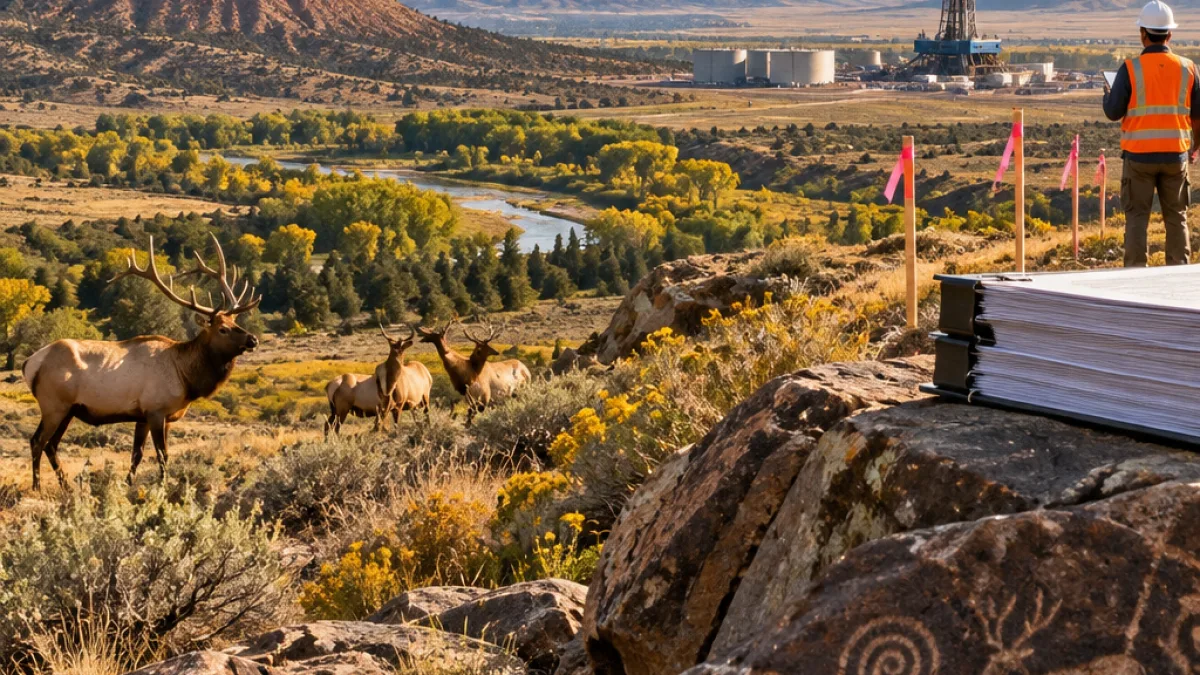
The letter also says development could affect habitat used by greater sage-grouse, mule deer, elk and pronghorn. According to the organizations, roads and well pads could break up remaining intact areas and migration corridors, even when state agencies or local communities object. They further argue that the bill could prevent land-management decisions from giving priority to conservation and other nondevelopment values.
What the proposal would change
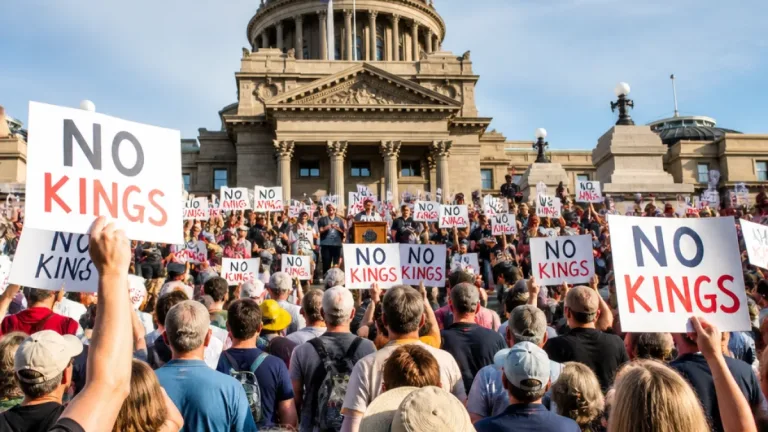
The debate is not limited to fossil fuels. The measure addresses federal approval procedures for a wider range of projects, including energy and infrastructure proposals and development connected to data centers. Environmental groups are particularly concerned about provisions they say could limit the role of local and tribal input in federal permitting. For Colorado communities, that process can determine how proposed projects affect water, transportation, wildlife, air quality and nearby public lands.
- Bill: Bipartisan American Affordability and Jobs Act of 2026
- Length: 417 pages
- Senate action: The chamber voted Monday, Nov. 9, to advance the measure
- Colorado opposition: A letter signed by 29 organizations
Colorado’s senators split on the first vote
Colorado’s two Democratic senators, Michael Bennet and John Hickenlooper, split in the Senate’s first vote on the legislation, according to the source report. The measure was introduced by Sen. Shelley Moore Capito, R-West Virginia, and has bipartisan co-sponsorship from Sens. Sheldon Whitehouse, D-Rhode Island; Martin Heinrich, D-New Mexico; and Mike Lee, R-Utah.
The Senate action marks an early step rather than a final decision on the proposal. Its significance for Colorado will depend on which provisions remain as the legislation moves forward and how lawmakers address concerns about public participation, environmental review and development on federal land. For residents near public lands, the central question is whether a faster approval process can deliver needed infrastructure without narrowing the ability of communities, tribes and agencies to identify risks before construction or drilling begins.