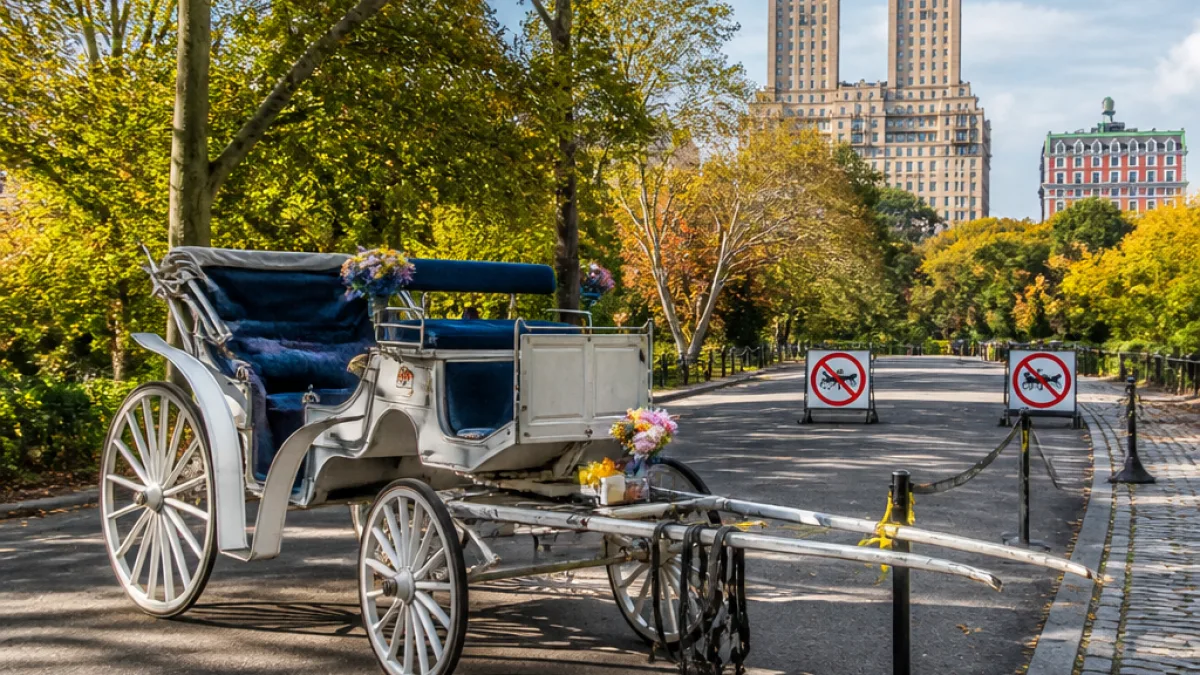
The New York City Council on Thursday approved legislation that will phase out horse‑drawn carriages across all five boroughs by June 1, 2028, responding to mounting safety concerns and a fatal Central Park incident this summer.
Council vote, provisions and immediate reactions
The measure, known as Romanch's Law, passed in a veto‑proof 40‑7 vote with two abstentions. It would prohibit the issuance of new licenses for carriage operation and bar the sale of horses to slaughterhouses. Supporters called the bill a necessary safeguard after a carriage crash that left an 18‑year‑old tourist dead.
Animal welfare groups and park advocates praised the vote, saying it addresses repeated instances in which horses have run loose, collided with vehicles or caused injuries to tourists and passersby. The union representing carriage drivers immediately signaled its intent to challenge the legislation, criticizing the lack of direct monetary compensation for drivers and owners.
"They don't belong in an area that attracts 42 million people a year, pulling a 1,000‑pound carriage in record heat,"
The line was delivered by City Council Speaker Julie Menin as lawmakers prepared to cast their votes.
Background: what prompted the vote
The debate intensified after the summer death of Romanch Mahajan, an 18‑year‑old tourist from India who was killed when a horse pulling a carriage in Central Park became uncontrollable, clipped the wheel of another carriage and toppled, investigators said. Family members, including the victim's aunt and uncle, attended the council vote.
Previous mayors, including Bill de Blasio and Eric Adams, had advocated for a ban in earlier years but were unable to muster sufficient Council support. Advocates pointed to a history of incidents — including horses bolting or colliding with cars — that they say make streetwork unsafe for animals and people alike.
Who will be affected and what comes next
- Carriage drivers and owners: Licenses will not be renewed or newly issued; the industry is expected to wind down ahead of the 2028 deadline.
- Horses: The bill includes a prohibition on selling carriage horses to slaughterhouses and sets a timeline for removing horses from service.
- Park visitors and public safety: Supporters say the change reduces the risk of accidents and injuries in heavily trafficked park areas.
The carriage industry has warned of legal challenges. The Transport Workers Union and other representatives of drivers have argued the legislation offers insufficient support for workers who will lose livelihoods and city‑issued medallions. Union leaders described potential lawsuits alleging constitutional and due‑process violations.
| Key date | Action |
|---|---|
| Summer 2026 | Fatal carriage crash in Central Park involving 18‑year‑old tourist Romanch Mahajan |
| Oct. 22, 2026 | City Council passes Romanch's Law, 40‑7 with two abstentions |
| June 1, 2028 | Carriage operations to be phased out across the city |
For New Yorkers and the millions who visit Central Park each year, the council's action marks the end of an industry that has operated in the city for more than a century. The council framed the vote as a public‑safety measure; opponents framed it as a loss of jobs and tradition and have pledged to pursue the courts.
City agencies and advocacy groups will now focus on implementation details: how horses will be transitioned out of service, what, if any, city assistance will be provided to affected workers, and how enforcement of the phase‑out will be handled across boroughs. The law's passage sets a firm date for those next steps and for the carriage industry to adjust or challenge the decision in court.
— Reporting from New York City.