Local vacancy near national average as reuse outpaces new construction
Hampton shoppers and property owners are seeing what industry professionals told a national conference this year: retail real estate is showing surprising resilience. Recent market data put retail vacancy in Hampton Roads at about 4.4%, a figure that sits roughly at the national average and signals a tighter-than-expected market for space in and around Hampton.
At the heart of the trend are three overlapping forces: limited new construction, rapid backfilling of empty storefronts and a widening set of tenants willing to lease traditional retail space. Those themes played out at the International Council of Shopping Centers gathering in Las Vegas, which drew roughly 25,000 attendees — retailers, developers, investors and brokers — and where local market conditions were frequently discussed.
"Retail vacancy in Hampton Roads is sitting at a near-record low of 4.4%, right at the national average."
Why new supply is thin
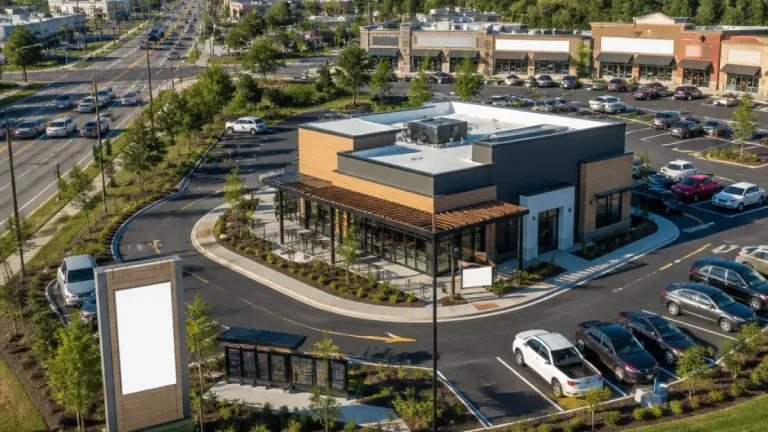
Developers across the region say rising construction costs have kept the pace of new retail projects modest. That slowdown in production means fewer fresh spaces hitting the market to absorb demand, putting upward pressure on occupancy in existing centers throughout Hampton Roads, including Hampton.
Old problems, new occupants
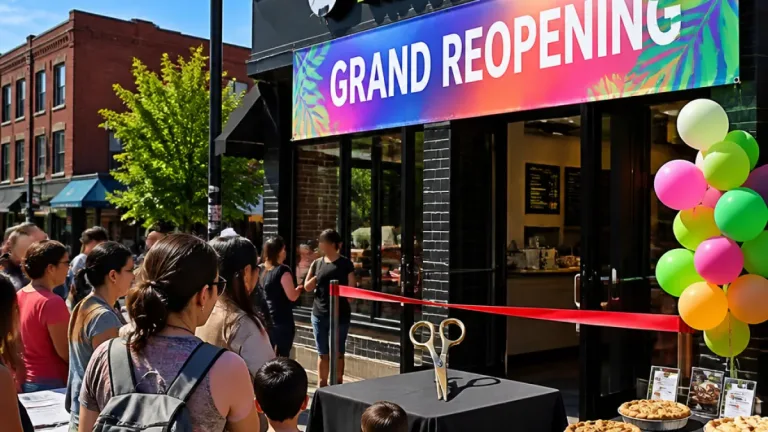
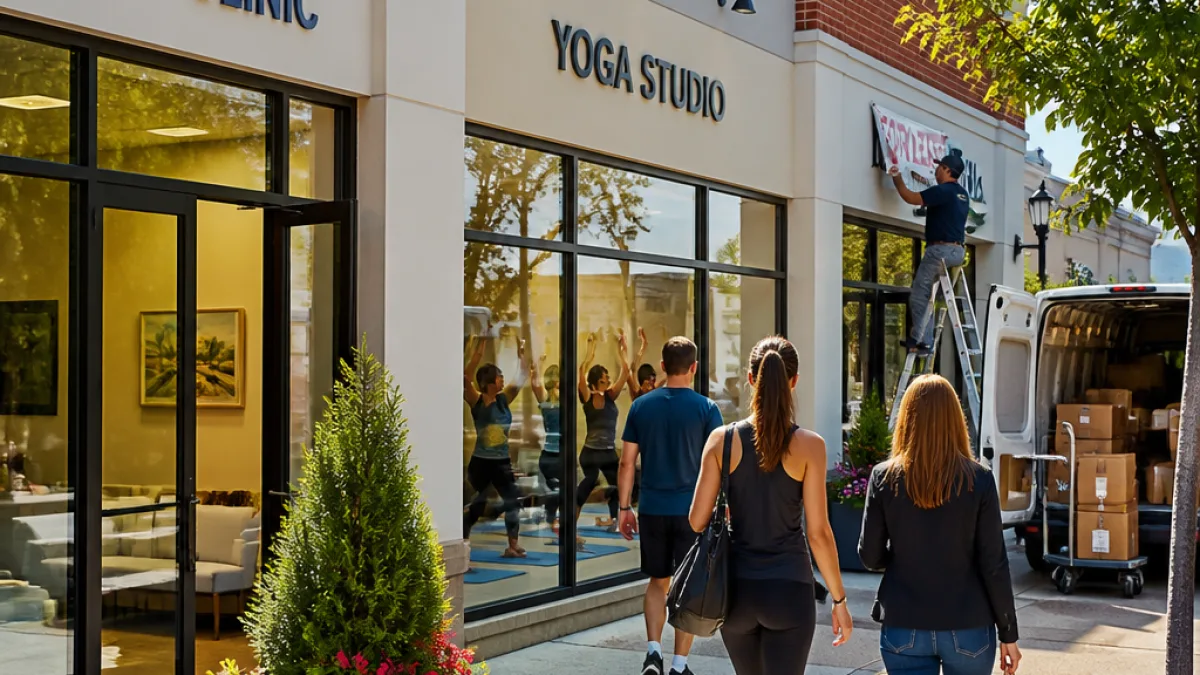
Even as headlines note national chains trimming store counts, vacancies in the local market are not remaining empty for long. Landlords and property managers are finding a range of replacements. The mix includes:
- Medical and dental practices taking former storefronts in shopping centers;
- Experiential uses such as fitness studios and indoor recreation;
- Service-oriented enterprises and unconventional conversions — the piece mentions car washes as a visible example along regional corridors.
That shift toward nontraditional retail users matters for Hampton neighborhoods. Medical tenants, for instance, typically sign longer leases and draw steady daytime traffic, while experiential businesses can restore evening and weekend activity that supports restaurants and nearby shops.
Investment appetite, but limited product
Investors remain active, with capital chasing retail deals at a variety of price points. Yet brokers at the conference and local market reports pointed to a paradox: there is demand for assets, but far fewer sellers willing to part with stabilized properties. In short, the constraint is supply of saleable product rather than a lack of buyers.
| Measure | Value |
|---|---|
| Hampton Roads retail vacancy | 4.4% |
| National average | About the same |
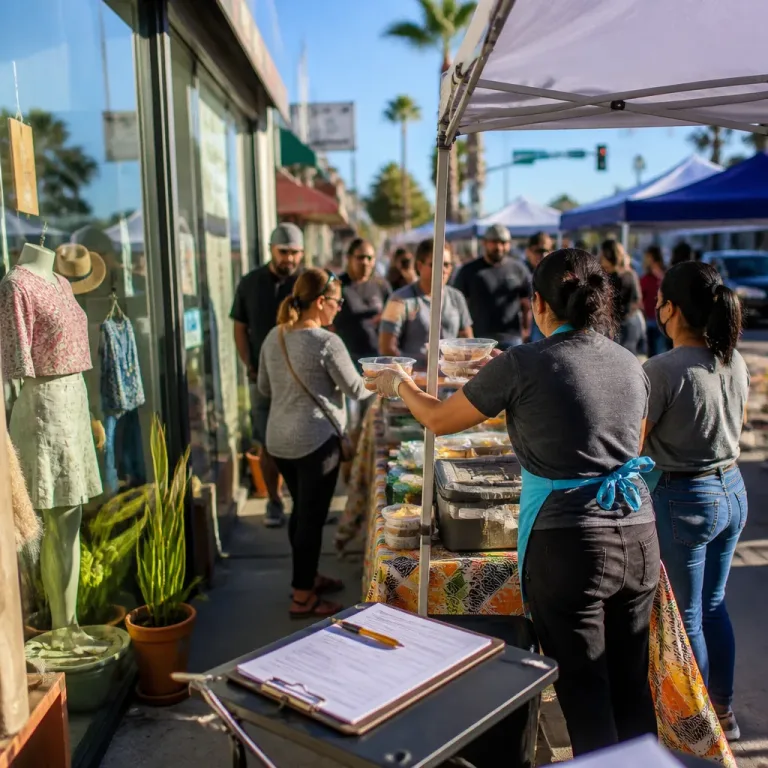
For Hampton residents, the practical effects are tangible: fewer empty storefronts on main commercial strips, more medical and service providers locating in neighborhood centers, and potentially slower growth of big new shopping projects. That dynamic can support neighborhood vitality but may also limit opportunities for new retailers seeking ground-up construction.
As the market evolves, local leaders and planners will be watching whether the trend holds — whether limited construction, creative reuse and strong investor interest keep retail occupancy high, or whether broader economic shifts eventually loosen the market. For now, in Hampton and across Hampton Roads, retail appears to be holding its ground.