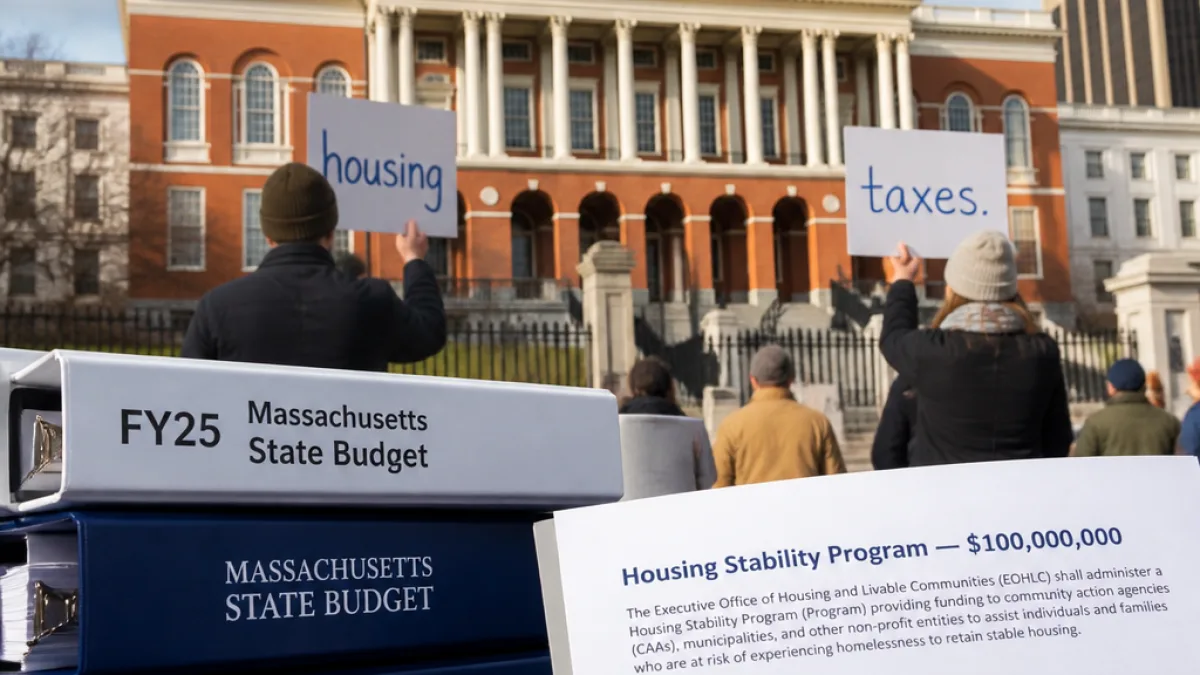
Critics have circulated posts asserting Massachusetts Gov. Maura Healey redirected $100 million in taxpayer funds to benefit "illegal immigrant families," including claims each family could receive up to $30,000 over two years along with monthly cash and other benefits. A Snopes investigation found the social-media assertions mischaracterize the program’s design and eligibility rules, though the funding source identified in the posts matches publicly available state budget information.
How the claim spread
The rumor of a $100 million diversion surfaced in right-leaning media and spread on social platforms, with posts alleging broad, unconditional payouts to noncitizens while Massachusetts families face rising costs. The posts tied the funding to the Healey administration’s move to close some state shelter programs and shift to a different housing-stability initiative.
What Snopes found
- The program is funded by the state budget — the $100 million figure appears to match public budget documents.
- The online framing that every participating household automatically receives $30,000 with no conditions is inaccurate.
- Participation is by invitation only and recipients must meet program requirements, including an income threshold, contributing at least 30% of rent, and being a Massachusetts resident.
| Allegation | Snopes finding |
|---|---|
| $100 million diverted to noncitizens | State budget documents show the program is state-funded; the $100M figure aligns with public information |
| Each family gets up to $30,000 with no strings attached | False — payments are not universally automatic; program has eligibility and contribution requirements |
Snopes contacted the governor’s office for further comment on how the funds are being spent and the exact breakdown of monetary distributions and said it would update its article if the office responds. The fact-check underscores the difference between a program’s funding source and the specific eligibility and benefit rules that determine who receives aid and under what conditions.
For Massachusetts residents following the debate, the distinction matters: confirmation that a program is state-funded does not, by itself, prove that the state is providing unconditional payments to undocumented families. Election-year messaging and polarizing coverage from national outlets helped propel the narrative, but state documents and the program’s eligibility requirements provide a more nuanced picture.
State officials and watchdogs will likely face continued scrutiny as the administration implements the program and as opponents press for clarity on eligibility, oversight and the precise use of the budgeted funds.