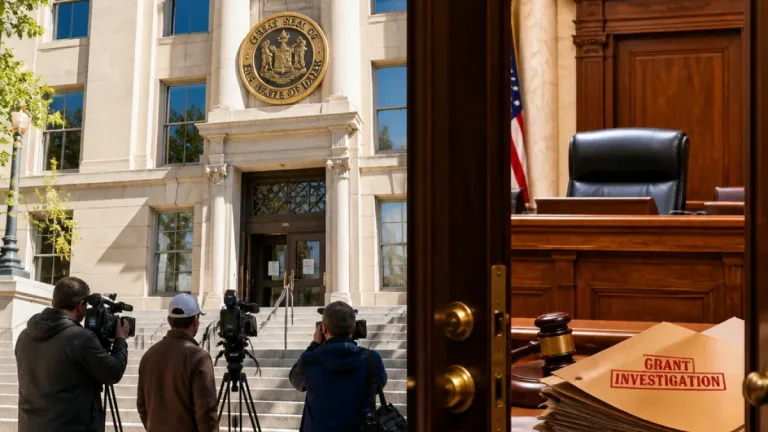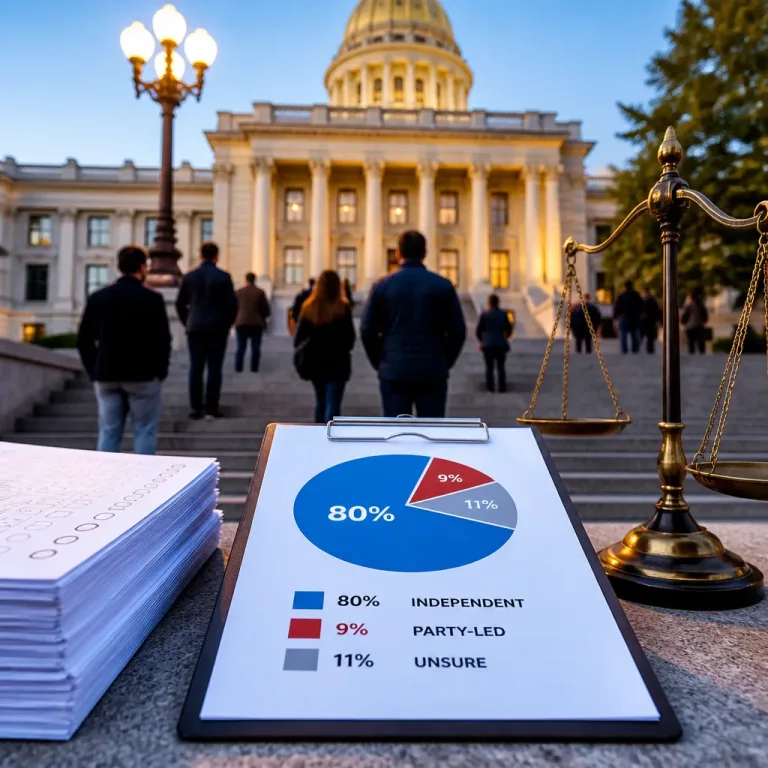
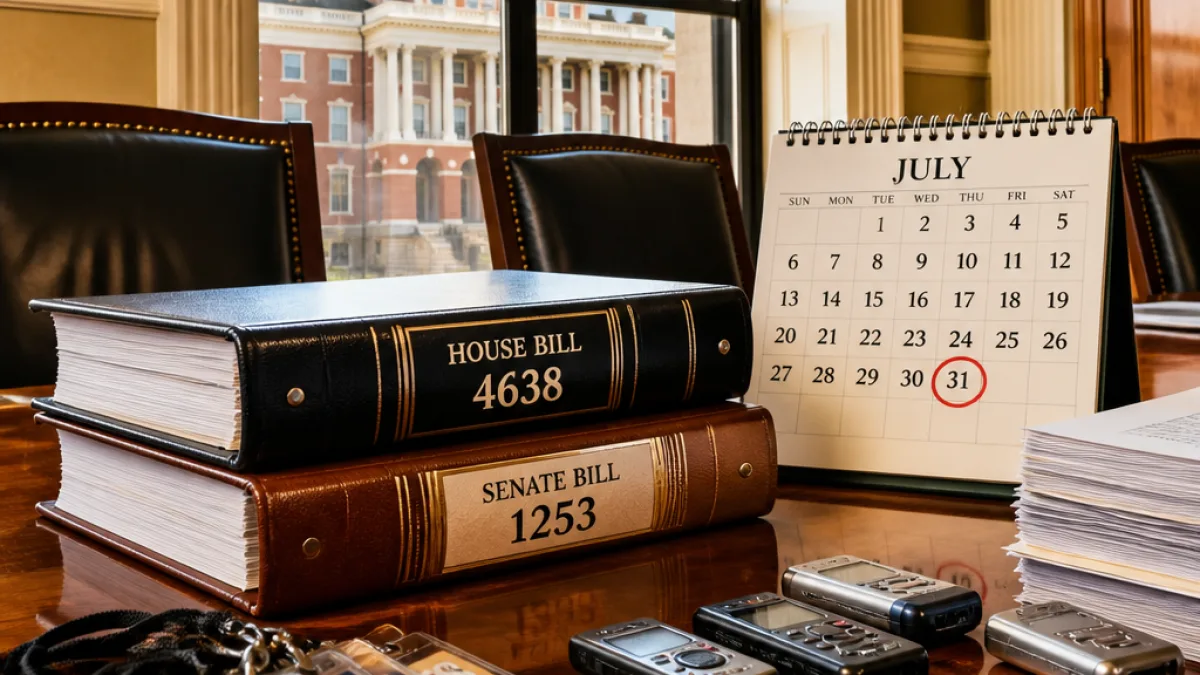
Massachusetts lawmakers are under pressure to bring legislation creating a statutory reporter’s privilege to the floor before the formal legislative session ends on July 31, or the measures will expire and the effort must restart.
What the bills would do
House Bill 4638 and Senate Bill 1253, both titled “An Act Relative to the Free Flow of Information,” would shield journalists from being compelled to disclose confidential sources or unpublished information except in tightly defined situations, including national security, imminent violence or when a defendant’s right to a fair trial is at stake. If enacted, the law would put Massachusetts among the majority of states that already recognize some form of reporter shield: 41 states and the District of Columbia offer statutory or common-law protections.
Recent legislative progress and remaining hurdle
Last fall, the Joint Committee on the Judiciary issued a favorable report on the bills — the first time a shield law proposal has advanced past committee in Massachusetts. Since that report, however, neither chamber has taken the final step of scheduling a floor vote. With fewer than three weeks left in the session, advocates and journalists are urging House and Senate leadership to act.
- Bill numbers: House Bill 4638 and Senate Bill 1253
- Key exceptions: national security, imminent violence, and fair trial concerns
- Legislative deadline: July 31 — bills die if not voted on before session ends
Why this matters for Massachusetts
Supporters say a shield law would protect whistleblowers and confidential sources who risk careers and safety to expose corruption, abuse or public-health dangers. They argue that without statutory protection, journalists in the commonwealth can be forced to reveal sources in civil and criminal proceedings, chilling investigative reporting and making it harder to hold powerful actors to account.
Opponents and skeptics generally cite concerns about obstructing law enforcement or interfering with criminal prosecutions; the bills attempt to address that by carving out narrow, specific exceptions. The push for a shield law comes amid what advocates describe as increasing hostility toward the press nationally and legal pressures that threaten journalists’ ability to gather sensitive information.
Where responsibility lies
Leadership in both chambers must decide whether to bring the measures to the floor. The editorial urging action named House Speaker Ronald Mariano and Senate President Karen Spilka as the officials with authority to schedule votes. If the bills do not receive floor consideration by the end of the session, proponents will need to refile and restart the legislative process in the next session.
| Item | Detail |
|---|---|
| Bills | House Bill 4638; Senate Bill 1253 |
| Committee action | Favorable report from Joint Committee on the Judiciary |
| Session deadline | July 31 — bills expire if not voted on |
For residents across Massachusetts, passage would align the commonwealth with most other states and provide clear, statutory standards for when journalists may protect confidential sources. For state government and courts, it would create a legal framework to balance press protections with competing law-enforcement and trial-right concerns.
With the clock ticking, the immediate question is procedural: will House and Senate leaders put the bills on the floor? If they do not, the campaign for a shield law will start anew in the next legislative term.