Minneapolis officials and residents are sharply divided over a proposed police program that would allow the rapid deployment of unmanned aircraft as a “Drone as First Responder” system. The proposal, championed by a City Council member and tested in a 75-day free trial with manufacturer Skydio, is pitched as a tool that can shorten response times and deliver immediate situational awareness. Opponents warn it risks persistent surveillance and civil‑liberties intrusions.
Rescue and reason
Supporters point to clear public‑safety uses. In May, Minneapolis police used a drone’s thermal imaging to locate an 82‑year‑old man who had fallen into a creek and was lost for hours. The man, Marine Corps veteran Bob Stewart, was found in under 10 minutes after an officer operating the drone spotted him beneath tree canopy. Stewart later said,
“I thought it was going to be my last moment.”
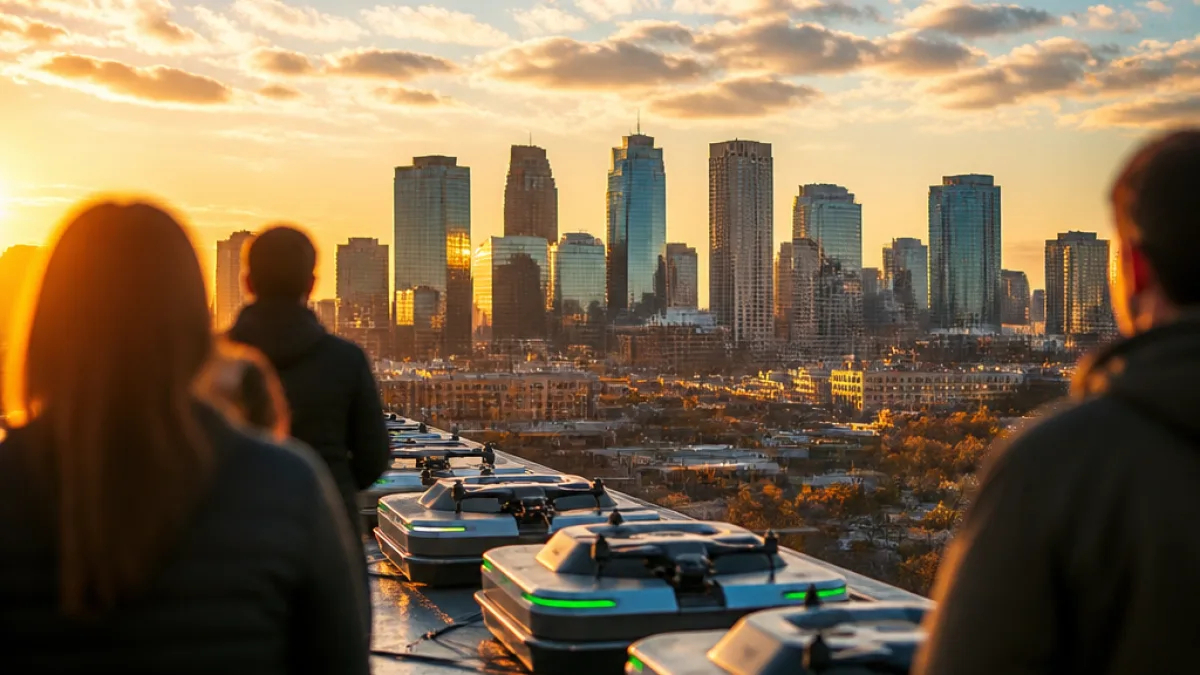
Council Member LaTrisha Vetaw said the test demonstrated the potential lifesaving value of a system that could dispatch drones from rooftop docking stations within seconds, providing real‑time video to officers before they arrive.
“Other cities are doing it. It’s working,”she told the Minnesota Star Tribune.
Community pushback
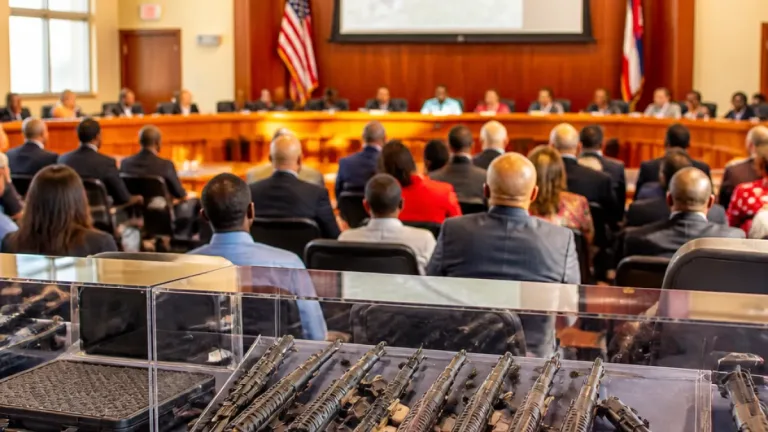
Despite those examples, dozens of residents attended a City Council hearing to oppose the pilot. Many raised concerns that routine drone deployment will normalize aerial surveillance in neighborhoods and be used in ways that disproportionately affect marginalized communities. Opponents urged the council to reject or significantly limit the proposal, saying consent, transparency and strict limits are required before expanding drone use.
- Supporters: Emphasize rapid search and rescue, quicker intelligence for officers, and fewer unnecessary patrols.
- Opponents: Cite privacy, persistent surveillance, potential misuse and unequal impacts on communities of color.
- Policy status: Vetaw is urging colleagues to consider the pilot; the broader council has not adopted the program citywide.
What’s at stake for Minneapolis
The debate centers on balancing emergency response benefits against privacy and civil‑rights protections. A decision to adopt a drone‑first model could change how public safety is delivered across the city — affecting police tactics, resident expectations of privacy and the scope of municipal surveillance. It could also influence neighboring jurisdictions watching Minneapolis as an example; council members and community groups say any policy must include clear limits on automated deployment, data retention, and oversight.
| Actor | Position | Key point |
|---|---|---|
| Minneapolis Police Department | Supports targeted drone use | Uses drones for search and rescue; argues for rapid response capability |
| Council Member LaTrisha Vetaw | Proponent | Led 75‑day Skydio trial; advocates for pilot expansion |
| Residents and civil‑liberties advocates | Opposed | Concerned about surveillance, misuse and equity impacts |
The council has yet to vote on a broader rollout. As the discussion continues, Minneapolis leaders face a decision that will shape both immediate public‑safety practices and long‑term norms about surveillance technology in the region.