
HONOLULU — Starting Aug. 3, almost 12,000 additional Hawaii public school students will be eligible for free school breakfast and lunch under the next phase of Act 139, the law Gov. Josh Green signed last year.
What the expansion covers
The program widens eligibility to students in households with incomes up to 300 percent of the federal poverty level. The move builds on an initial phase launched in the 2025-26 school year that removed meal charges for children who had previously qualified for reduced-price meals through the National School Lunch Program.
| Item | Detail |
|---|---|
| Start date | Aug. 3 |
| New eligible students | Nearly 12,000 |
| Income threshold | Up to 300% of federal poverty level |
| Budget | More than $3.3 million over two school years |
Why officials say it matters
State lawmakers and education leaders framed the expansion as a response to persistent food insecurity and rising household costs in Hawaii. House Education Committee Vice Chair Trish La Chica said the measure aims to remove a barrier that can affect attendance, learning and overall health.
“Half of Hawaii families are reporting difficulty maintaining consistent access to healthy, affordable, and nutritious food,” said state Rep. Trish La Chica.
Research and local advocates note that reliable access to school meals can lead to better classroom performance, improved physical and mental health, and fewer missed school days.
How families can access the benefit
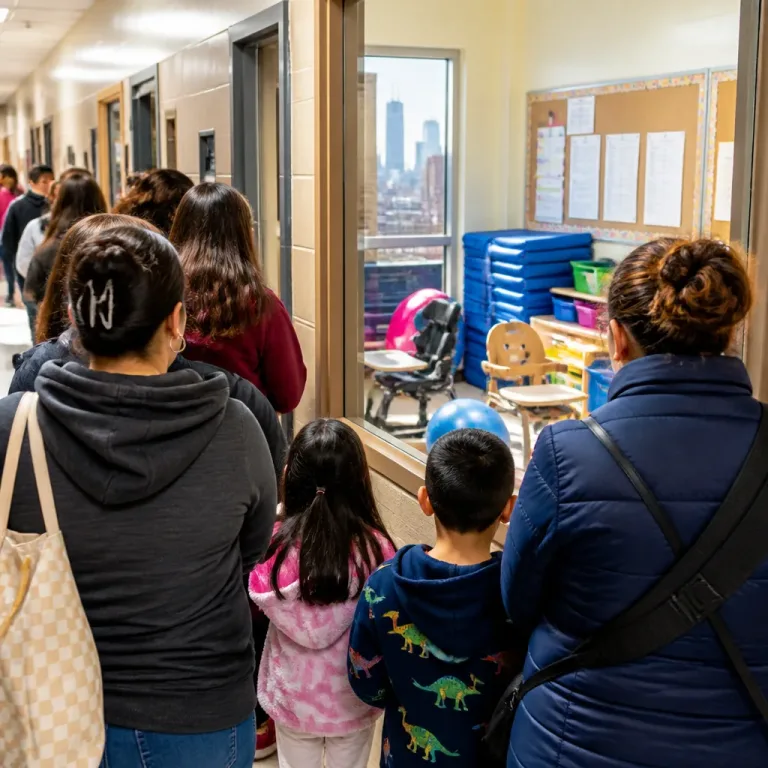
Parents and guardians should submit the Hawaii State Department of Education’s online school meal application to ensure their children receive the benefit. Students already attending schools that participate in the federal Community Eligibility Provision automatically receive free meals and do not need to apply. Families that receive Supplemental Nutrition Assistance Program (SNAP) or Temporary Assistance for Needy Families (TANF), or students identified as homeless, migrant or runaway, are typically covered under existing provisions.
- Start date for expanded eligibility: Aug. 3
- Funding to cover costs: More than $3.3 million spread over two school years
- Who should apply: Families not already covered by CEP or federal benefits
Parents who need help completing the application can contact their child’s school directly. For many households, the change is expected to free up money for other essentials and reduce stress about daily nutrition.
“Knowing that my sons can get healthy meals at school without worrying about the cost is a huge relief,” said a Hawaii parent who has two children in the public schools.
The expansion underscores the state’s continued efforts to address food insecurity among children and support equitable access to learning resources across Hawaii’s public school system.