
The Hawaii Department of Health has confirmed the state’s first reported case this year of cyclosporiasis, a parasitic intestinal infection tied to a wider outbreak affecting more than 30 states.
Officials said the person who tested positive was visiting Hawaii and developed symptoms after arriving. Because the individual is not a Hawaii resident and is believed to have been infected prior to travel, the case will not be counted in the state’s resident totals, the department said. The agency did not disclose which island the visitor visited.
“In general, the risk for anyone who’s traveled back from the United States is still low,” said Deputy State Epidemiologist Dr. Nathan Tan.
What health officials are monitoring
Local public health authorities are tracking the situation while federal investigators work to identify the source of the outbreak. The current national investigation began in Michigan and has since recorded cases in at least 34 states.
The Centers for Disease Control and Prevention reports:
| Metric | Figure |
|---|---|
| Confirmed cases since May | 1,645 |
| Additional potential cases under review | 5,100+ |
Symptoms and precautions
Cyclospora can cause prolonged gastrointestinal illness. Health officials list common signs and recommended actions:
- Symptoms: diarrhea (often severe), abdominal pain, nausea, low-grade fever and sometimes vomiting.
- Prevention: thoroughly wash fresh produce before eating, particularly if you have recently traveled to areas reporting cases.
- When to seek care: contact a medical provider if you develop persistent diarrhea or dehydration, especially after recent travel to affected regions.
State epidemiologists say the overall threat to Hawaii residents remains low. In the past decade, only three resident cases have been documented in Hawaii, and all involved travel outside the state with no evidence of local transmission.
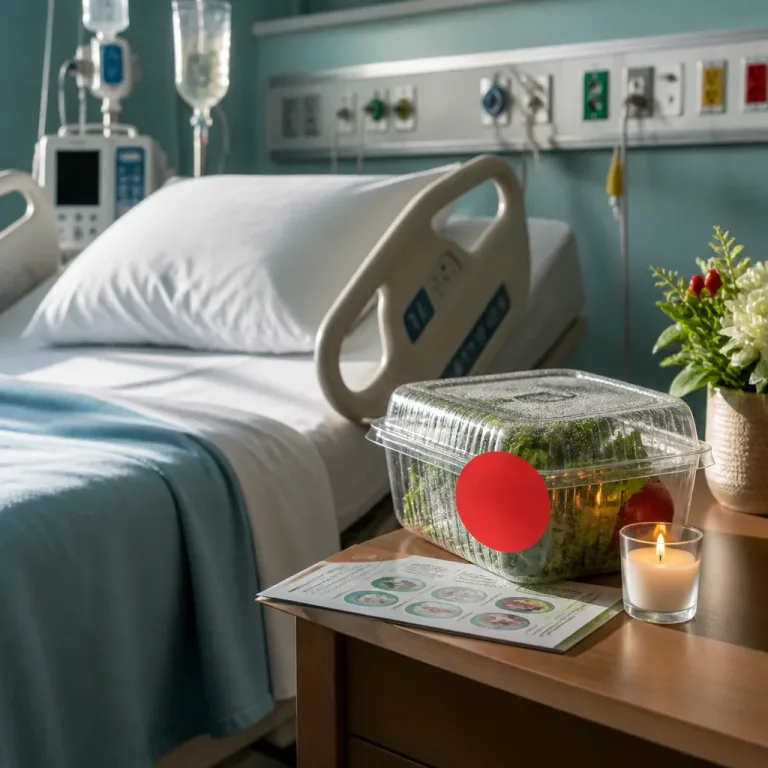
Federal and state health officials are still investigating the outbreak’s origin. Michigan authorities have suggested lettuce could be a possible vehicle in the spread, prompting recommendations to wash produce thoroughly, though federal agencies have not yet confirmed a single cause.
For now, the Department of Health is urging residents and visitors to remain aware of symptoms, practice careful food handling, and seek medical advice if they become ill after travel or consumption of fresh produce. Travelers returning from states with elevated case counts should pay close attention to gastrointestinal symptoms and report them to a health care provider.
The department did not provide additional details about the visitor’s travel history or where the person stayed while in Hawaii.
Public health officials will continue to update the community as investigations progress and more information becomes available from federal partners.