SANTA FE — New Mexico Attorney General Raul Torrez on Thursday accused the U.S. Department of Justice of failing to provide unredacted documents crucial to the state’s reopened investigation into sex trafficking allegations tied to Jeffrey Epstein’s Zorro Ranch.
State says delays risk evidence and witness availability
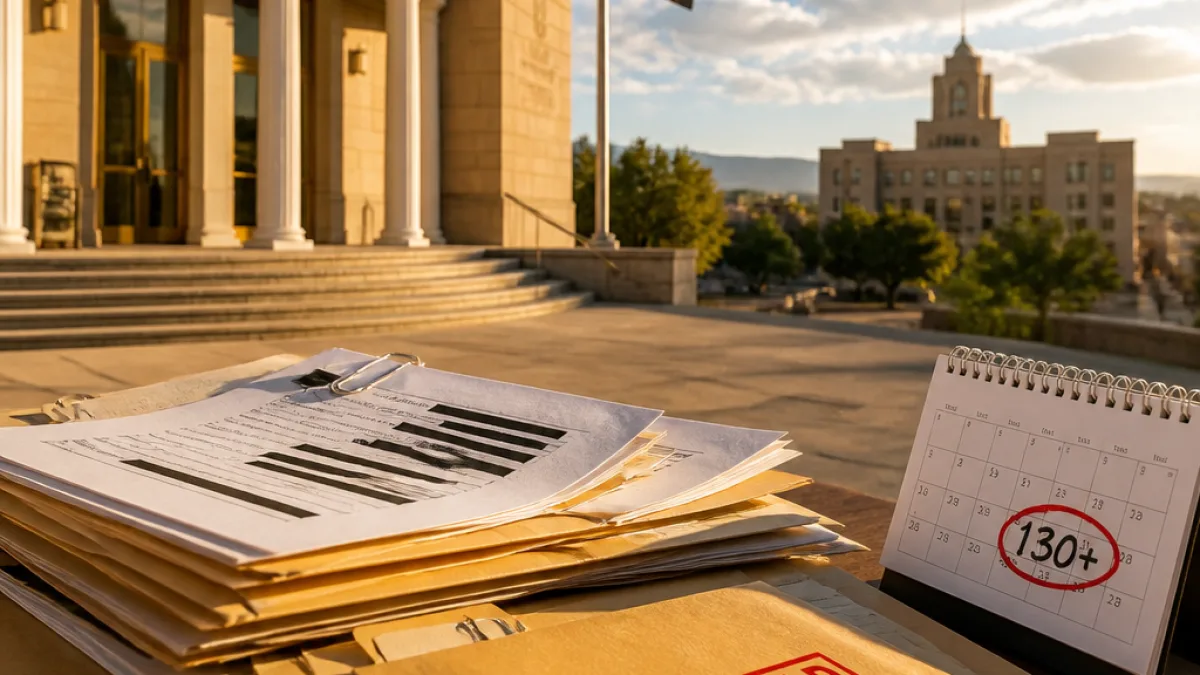
Torrez made the accusation in a letter to Acting U.S. Attorney General Todd Blanche, summarizing requests made under the Epstein Files Transparency Act and describing a pattern of unfulfilled records requests dating back to February, when the New Mexico investigation was restarted. The state says more than 130 days have passed since its initial request.
“The USDOJ’s continued withholding of unredacted records is causing real and escalating harm to the NMDOJ’s criminal investigation. Every day that the USDOJ withholds these records, the foundation upon which a New Mexico prosecution could be built erodes. Witnesses relocate and become unreachable. Memories, already strained by years of trauma, fade further. Physical and documentary evidence degrades, is lost, or is rendered more difficult to authenticate with the passage of time … more than 130 days have now elapsed since the NMDOJ’s initial request. The NMDOJ views this length of time as an unreasonable delay under any rule of reason.”
The letter frames the delay as more than bureaucratic friction: Torrez argues it threatens the integrity of witness testimony and the preservation of documentary and physical evidence that could underpin state charges.
Federal response and context
A Department of Justice spokesperson pushed back in a written reply included in public accounts, saying the agency supports New Mexico’s examination of events at Zorro Ranch and stands ready to assist. The DOJ also said it would work closely with partners should the state investigation uncover potential federal crimes.
“DOJ reiterates that it welcomes New Mexico(’s) … investigation of the Zorro Ranch and stands ready to provide … assistance with New Mexico’s investigation. Should that investigation uncover potential federal crimes, the DOJ will work closely with our law enforcement partners to investigate and, as appropriate, prosecute.”
Federal cooperation or friction in high-profile, multi-jurisdictional probes can shape whether cases move forward and which agency leads prosecution. For New Mexico, access to complete, unredacted records may be essential to building charges tied to activity at the Zorro Ranch when Epstein owned the property.
What’s known and what remains
New Mexico reopened its investigation in February. Torrez has not announced any formal findings or charges. Publicly released portions of the so-called Epstein files have included reporting of tips and allegations tied to the ranch, but Torrez’s office says unredacted materials still needed for the state probe remain withheld.
- Reopened investigation: February (year provided by state)
- Delay asserted: More than 130 days since New Mexico’s initial records request
- Federal stance: DOJ says it welcomes the state probe and will assist as appropriate
| Item | Detail |
|---|---|
| Investigation reopened | February |
| Elapsed time since request | More than 130 days |
The dispute highlights broader tensions between state and federal authorities in high-profile criminal inquiries, particularly when sensitive records are involved. For residents and advocacy groups tracking accountability related to Epstein and his associates, the availability of full records is central to transparency and any potential prosecutions.
For New Mexicans, the outcome matters locally: Zorro Ranch is within the state’s jurisdiction, and a state prosecution would rely on records and evidence that Torrez says are currently inaccessible in unredacted form. The attorney general’s public letter signals a push for greater cooperation or a formal resolution to the records impasse.