Oregon’s system for calculating school funding is drawing renewed scrutiny after reporting by The Oregonian/OregonLive found the state’s approach undercounts students living in poverty — a flaw critics say robs high-need districts of money they rely on to staff classrooms and support vulnerable children.
How the gap shows up in classrooms
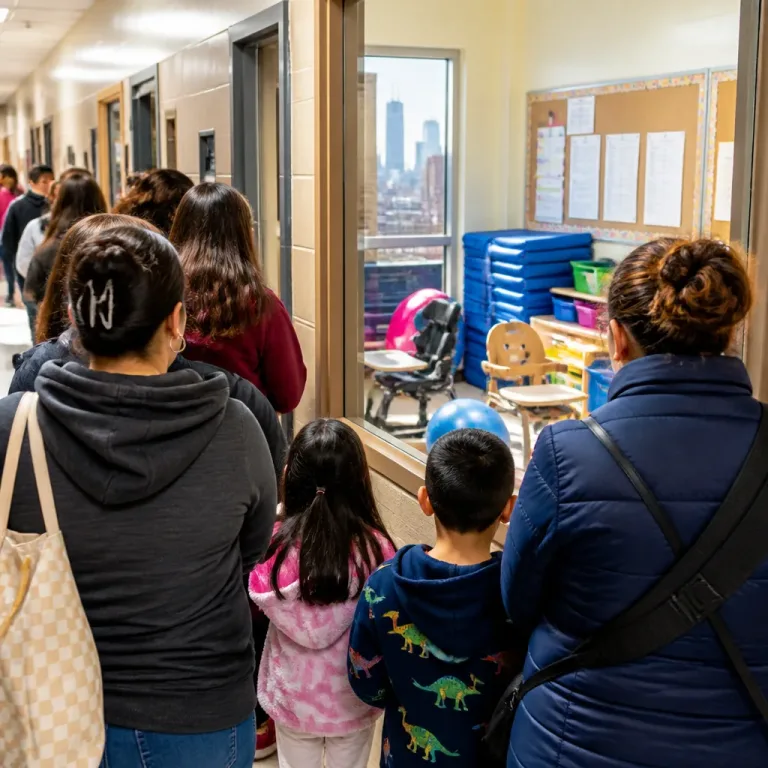
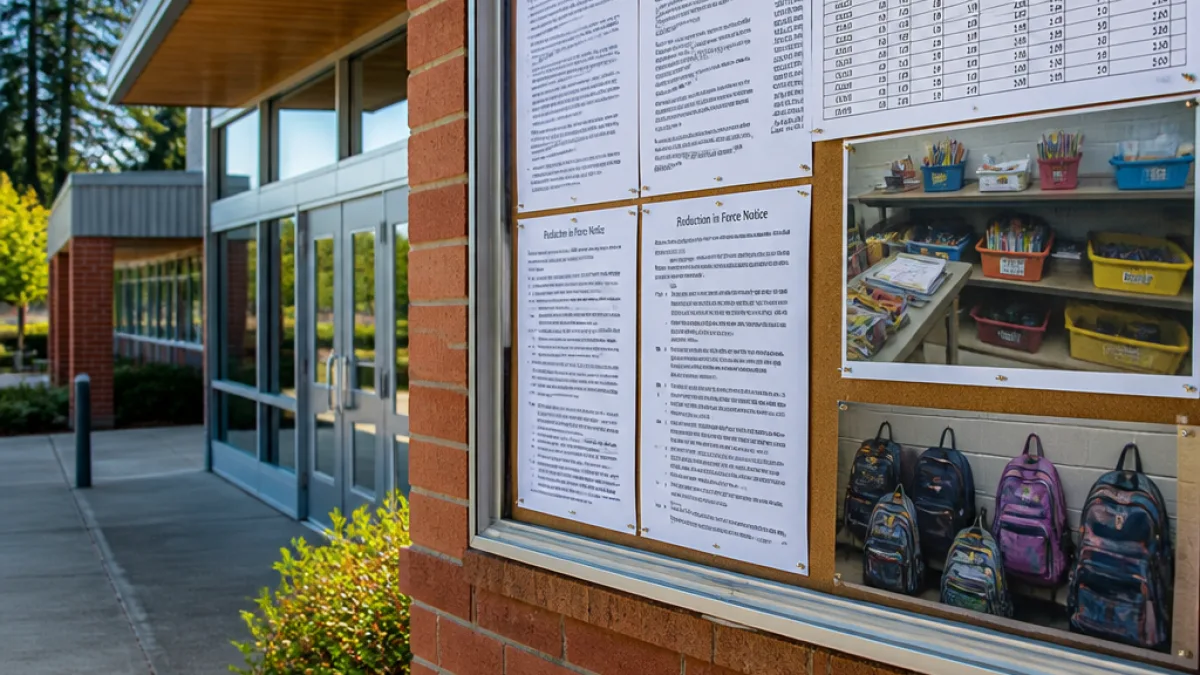
Educators in the Reynolds School District in east Multnomah County, which serves the highest percentage of low-income students in the Portland metro area, told reporters that the mismatch between students’ needs and the funding formula has tangible effects. Teachers, principals and attendance specialists described cuts and service reductions that make it harder to reach students facing the greatest barriers to learning.
Advocates and local leaders say Oregon’s calculation falls behind more responsive approaches used elsewhere, and that the result is an inequitable distribution of state dollars. The in-depth reporting lays out how students in poverty are undercounted, their schools underfunded and how those shortfalls translate into fewer supports for the most vulnerable children.
Why the formula matters now
School districts depend on state allocations to pay teachers, counselors, special programs and attendance work that keep students in class and on track. When the formula does not capture the full scope of student need, districts with concentrated poverty have to absorb the gap.
Lawmakers in Salem have faced pressure to revisit the method of counting poverty and to consider reforms or an overhaul to make funding more equitable statewide. The Oregonian/OregonLive reporting has added momentum to those calls by illustrating impacts at the school level and by spotlighting districts that feel the strain most acutely.
What’s at stake for families and schools
- Student supports: Counseling, attendance outreach and intervention programs can be reduced when funding falls short.
- Staffing: Schools serving high-need students may struggle to retain specialized staff or keep class sizes manageable.
- Long-term outcomes: Reduced services can widen achievement and opportunity gaps for children already facing economic barriers.
Julia Silverman, the Oregonian reporter who spent time in Reynolds, detailed how those school-level impacts are connected to the state’s funding method.
The reporting underscores a broader statewide policy question: should Oregon update how it identifies and funds students in poverty to match modern patterns of need? Policymakers will weigh the fiscal and political implications as they consider potential changes.
| Issue | Effect on schools |
|---|---|
| Undercounting student poverty | Lower state allocations to high-need districts |
| Insufficient targeted funding | Cuts to support services and staff |
For Oregon families and district leaders, the debate is not just about formulas on paper — it is about whether the state’s funding system matches the realities students face every day. As lawmakers consider whether to reform the funding model, districts like Reynolds will be watching closely for changes that could restore services and stabilize classroom supports.