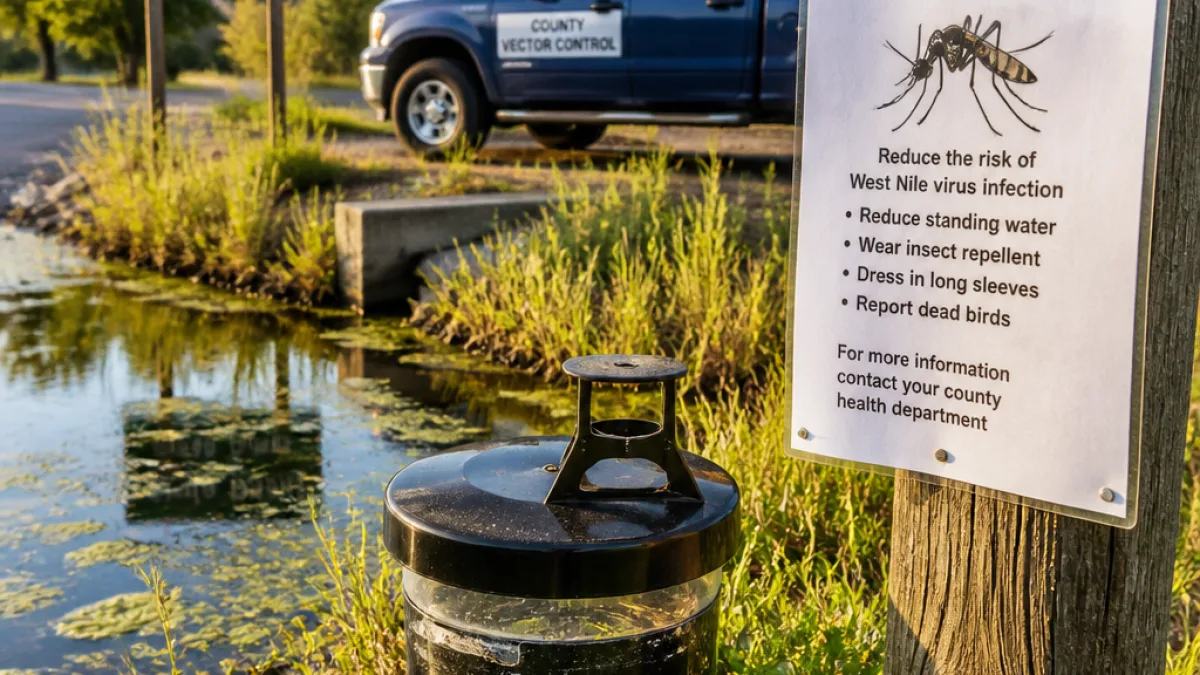
Jackson County officials confirmed that a mosquito sample collected in Eagle Point tested positive for the West Nile virus, marking the first detection in Oregon this year. The Oregon Health Authority (OHA) said the positive finding came from a mosquito pool — a trap that can hold up to 50 insects — collected on July 15 by the Jackson County Vector Control District.
What the detection means now
The discovery does not mean human cases have been confirmed in Oregon, but it signals active virus circulation in local mosquito populations. State and county agencies note that July through September are the months when West Nile virus activity typically peaks in this region, and they outlined steps residents can take to reduce risk.
- Eliminate or treat standing water where mosquitoes breed.
- Use insect repellents containing DEET, oil of lemon eucalyptus, or picaridin.
- Wear long sleeves and pants, and avoid outdoor activity at dawn and dusk when mosquitoes are most active.
- Check and repair window and door screens to keep mosquitoes out of homes.
- Horse owners should ensure animals are vaccinated and seek veterinary care for any neurologic signs.
Recent trends and testing
The OHA said West Nile virus is detected in Oregon every year, primarily through mosquito surveillance. The agency provided recent year-by-year counts of mosquito pools and infections to show how detections have varied:
| Year | Positive mosquito pools | Human cases | Horse cases |
|---|---|---|---|
| 2024 | 21 | 0 | 0 |
| 2025 | 70 | 17 | 4 |
| 2023 | 11 | 2 (acquired outside OR) | 2 |
OHA also noted that testing for West Nile virus is available at Oregon State University. The Centers for Disease Control and Prevention has reported an early and widespread national season this year, with multiple states confirming cases by late June.
Who should be most cautious
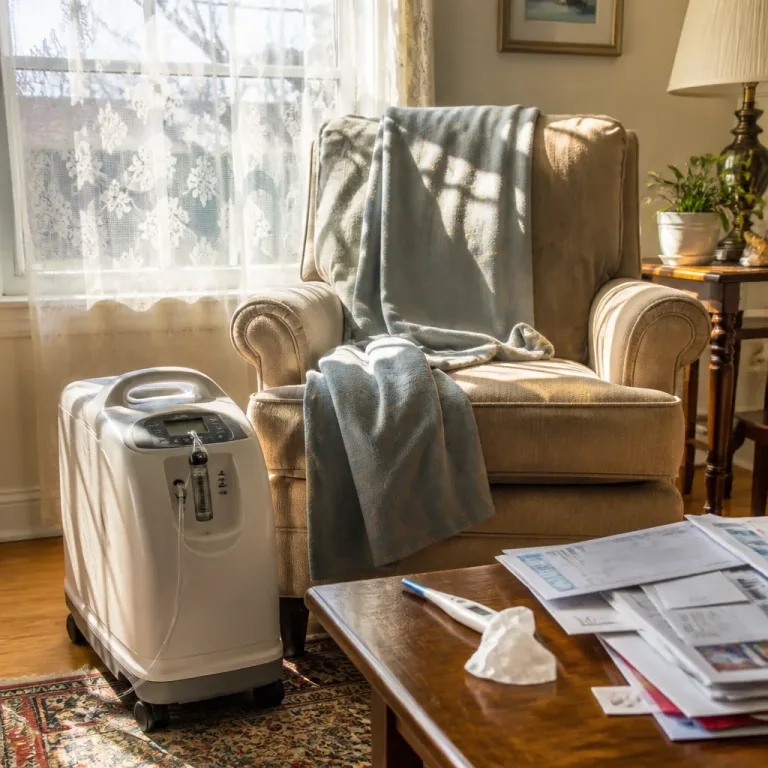
People older than 50 and those with underlying medical conditions — such as diabetes or high blood pressure — are at greater risk of severe illness if infected, officials warned. Anyone experiencing flu-like symptoms this summer should contact a health care provider, especially if they belong to higher-risk groups.
Beyond people, the virus can infect wildlife, pets and livestock. Horse owners were specifically advised to keep vaccination current and to have veterinarians evaluate any animals showing neurologic signs.
Local public-health and vector-control agencies emphasized that simple, preventive actions at the household level can reduce mosquito breeding and lower the chance of human and animal infections as the state moves through peak mosquito season.