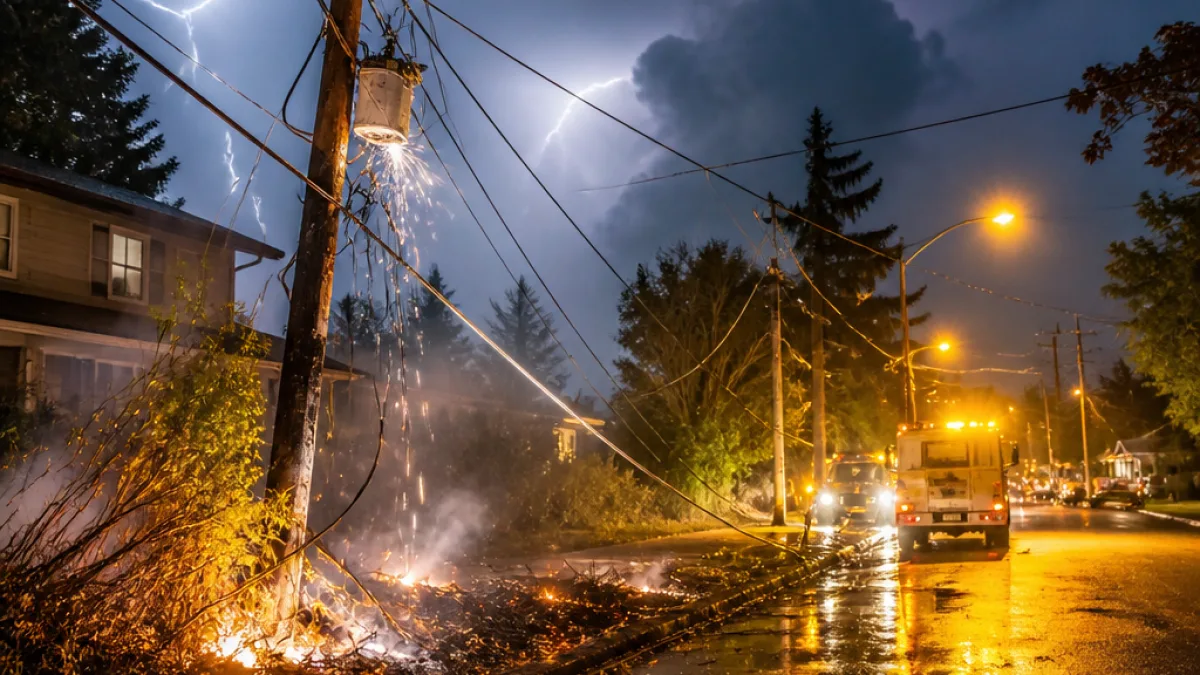
Thunder and lightning woke many people across western Oregon and southwest Washington before dawn Thursday, producing sparks that started small fires and interrupted electricity for thousands of customers.
Storm path and impacts
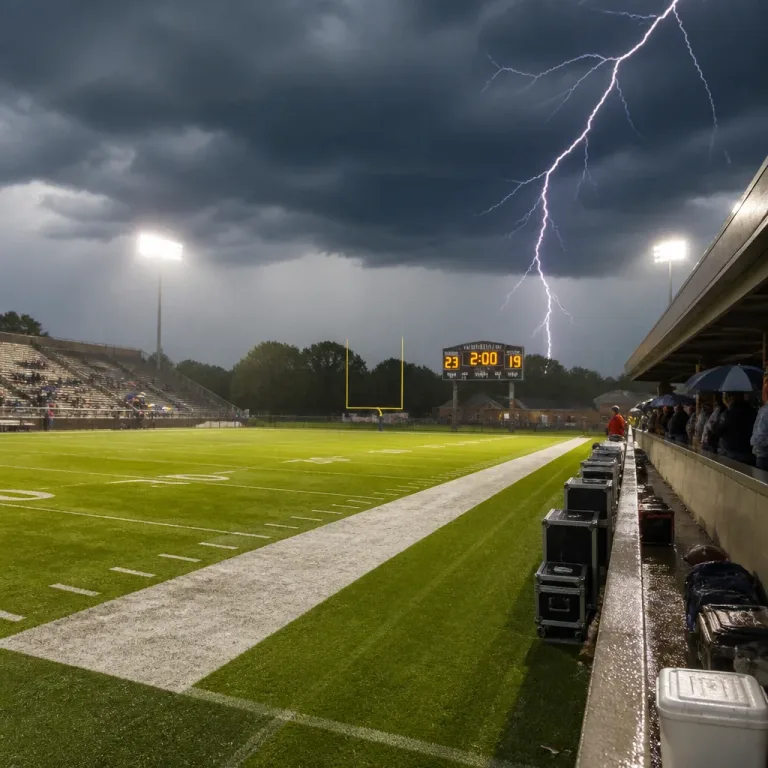
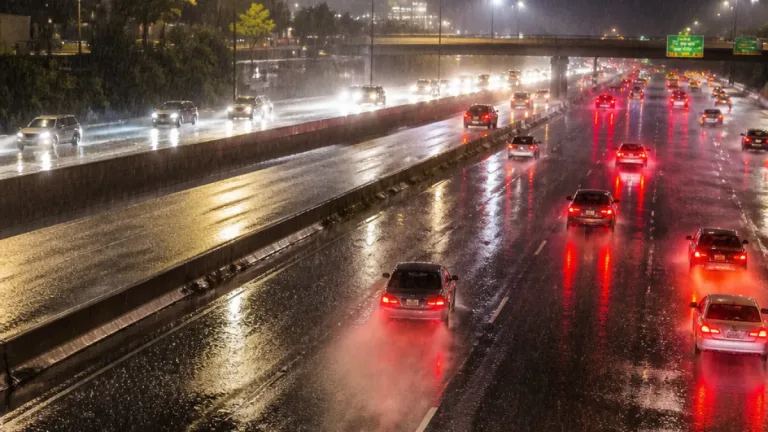
Thunderstorms developed just after 3 a.m. near Salem and drifted northwest through the early morning hours toward the coast. The storms packed frequent lightning, which utility crews and emergency responders say caused several localized fires and hit electrical equipment.
"We will continue to see lightning for the next few hours," Storm Tracker 2 Meteorologist Matt Gontarek said.
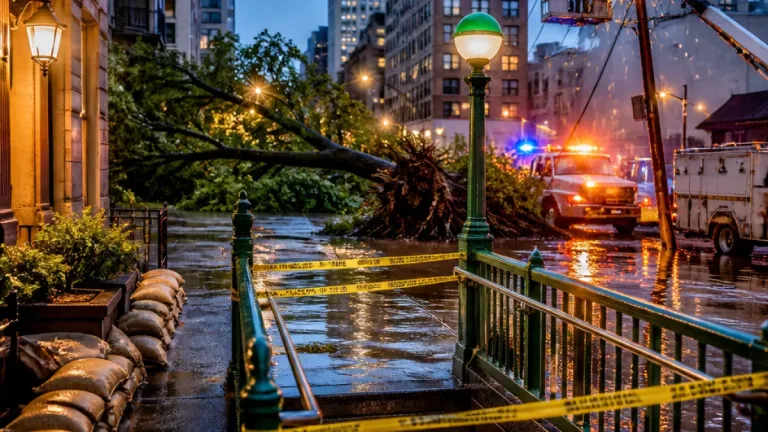
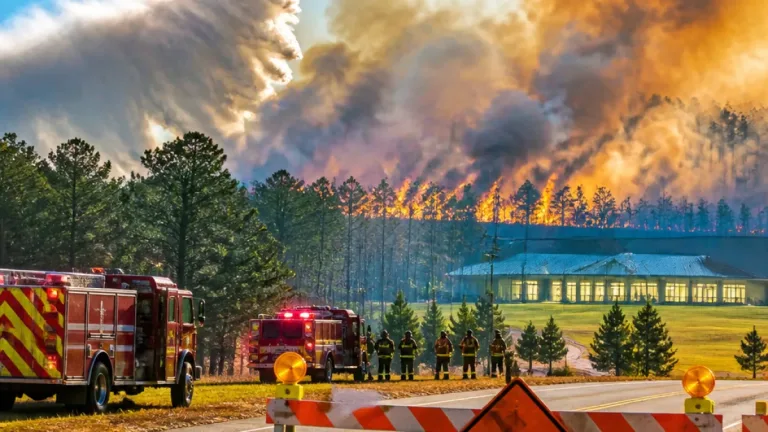
At the storm’s height, about 5,000 customers were reported without power on Portland General Electric’s outage map, with most outages concentrated in Washington County after a substation in Cornelius was struck. Reporters also documented lightning strikes that ignited small flames on utility poles in Vancouver.
Lightning and response numbers
Early automated counts show roughly 1,100 lightning strikes across the forecast area since midnight, according to Storm Tracker calculations. The National Weather Service in Portland said it would publish a more official tally later in the morning.
| Metric | Reported figure |
|---|---|
| Estimated lightning strikes (since midnight) | ~1,100 |
| Customers without power (peak) | ~5,000 |
| Primary affected county | Washington County |
What residents should know
Emergency and utility officials urge residents to treat downed lines as dangerous and to report outages through their utility’s official channels. The storms were expected to move northwest toward the Astoria and Long Beach peninsula areas, with lightning risk persisting into the morning before showers taper off and skies begin to clear.
- If you encounter a downed power line, stay at least 30 feet away and call 911.
- Report outages directly to your power provider to speed repairs.
- Be prepared for brief outages and have flashlights and a charged phone available.
Temperatures were forecast to warm into the upper 70s as skies clear later in the day. Utility crews were working to assess damage at the Cornelius substation and to restore service to affected customers. Local fire agencies responded to the small fires sparked by strikes, and no large-scale structure damage was reported in initial updates.
As morning routines resumed, the strike-related outages and pole damage underscored how quickly summer storms can disrupt power and pose fire risks across the region. Officials advised people along the storm track to stay alert for additional lightning and to follow guidance from local emergency services and their utility providers.