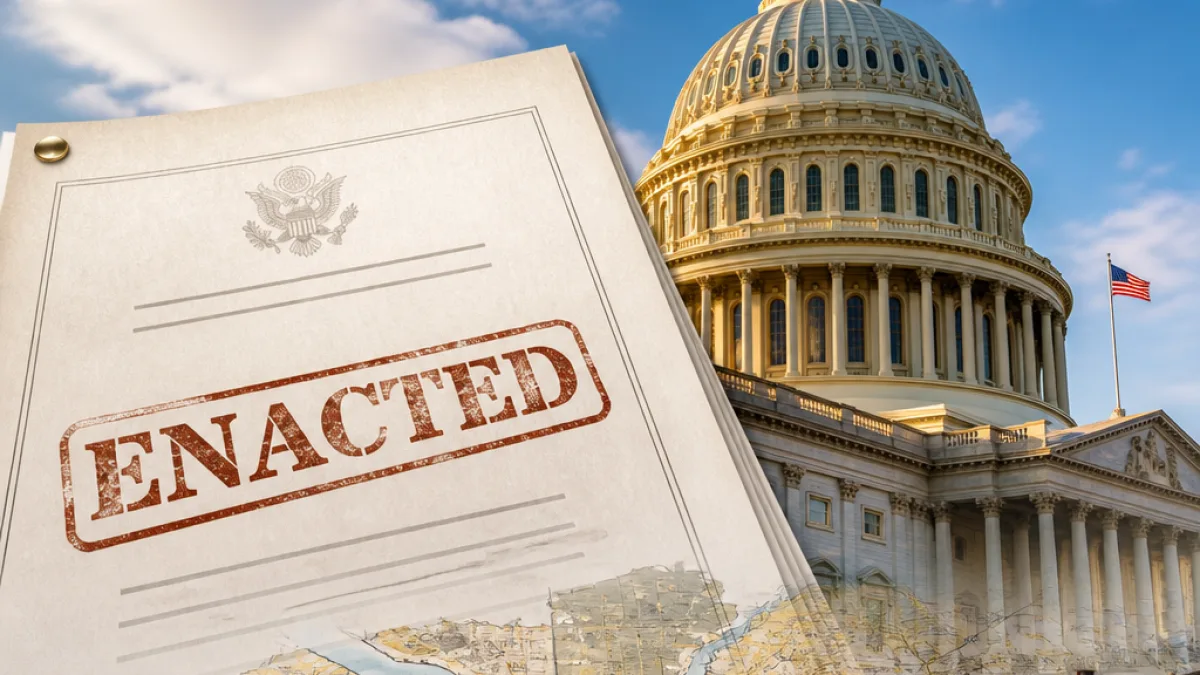
The Pittsburgh Post-Gazette reports that a sweeping housing bill with roots in the Pittsburgh area has become law after the president allowed the measure to take effect without his signature.
From local roots to national law
Local officials and housing advocates in the Pittsburgh region had been involved in shaping or supporting elements of the legislation, according to the Post-Gazette report. The measure’s passage into law represents a rare instance in which policy initiatives tied to the Pittsburgh area have moved directly into federal statute without an affirmative presidential signature.
What this means for Allegheny County and Pennsylvania
Though details of the law and its specific provisions were outlined in the Post-Gazette coverage, the core fact stands that the new law could reshape the policy environment affecting housing programs, funding streams and administration at the local level.
- Funding and programs: Changes at the federal level often translate into alterations in grants, program eligibility and distribution formulas that counties and municipalities must implement.
- Local planning and compliance: Municipalities and housing authorities in Allegheny County may need to review ordinances, administrative procedures and contract language to align with new federal requirements.
- Advocacy and enforcement: Nonprofit housing providers and tenant advocates in the region will be watching implementation closely to ensure intended benefits reach communities.
Process and precedent
Allowing a bill to become law without a signature is a constitutional mechanism by which a president can let legislation take effect without an explicit endorsement. The Post-Gazette’s reporting underscores that this route was used in this instance for a bill tied to Pittsburgh-area policy work.
“A sweeping housing bill with roots in the Pittsburgh area has now become law — without the president’s signature,” the Post-Gazette reported.
Local leaders, housing administrators and legal counsel will need to parse the text and guidance that follow enactment to determine practical effects on housing stock, subsidy programs and related regulatory requirements.
Next steps for local stakeholders
Implementation will depend on federal agencies issuing regulations and guidance, and on state and local bodies adapting administratively. Officials in county and municipal governments, local housing authorities, community development corporations and advocacy groups should expect a period of review and planning.
| Who should watch | Why it matters |
|---|---|
| Allegheny County and municipal planners | Potential changes to grant programs and compliance obligations |
| Local housing authorities and nonprofits | Funding flows and program administration |
| Tenant advocates and community groups | Ensuring benefits reach intended populations |
Officials and stakeholders in Pittsburgh and across Pennsylvania should expect follow-up reporting and official guidance as federal agencies and state partners move to implement the new law. The Post-Gazette’s reporting provides the initial confirmation of enactment; local agencies will be the next to clarify what it means in practice.