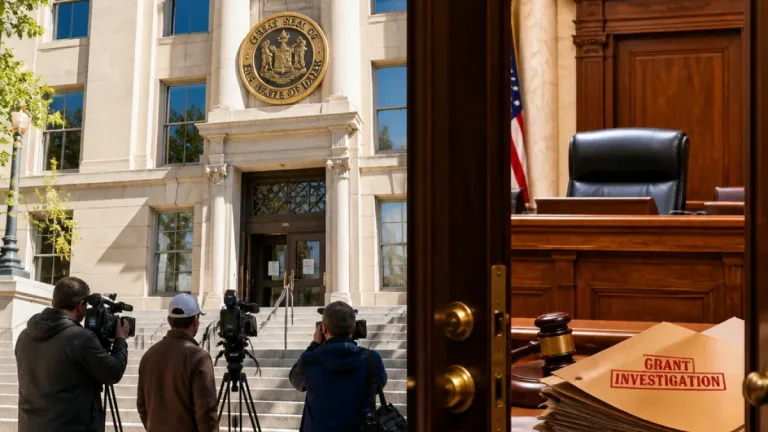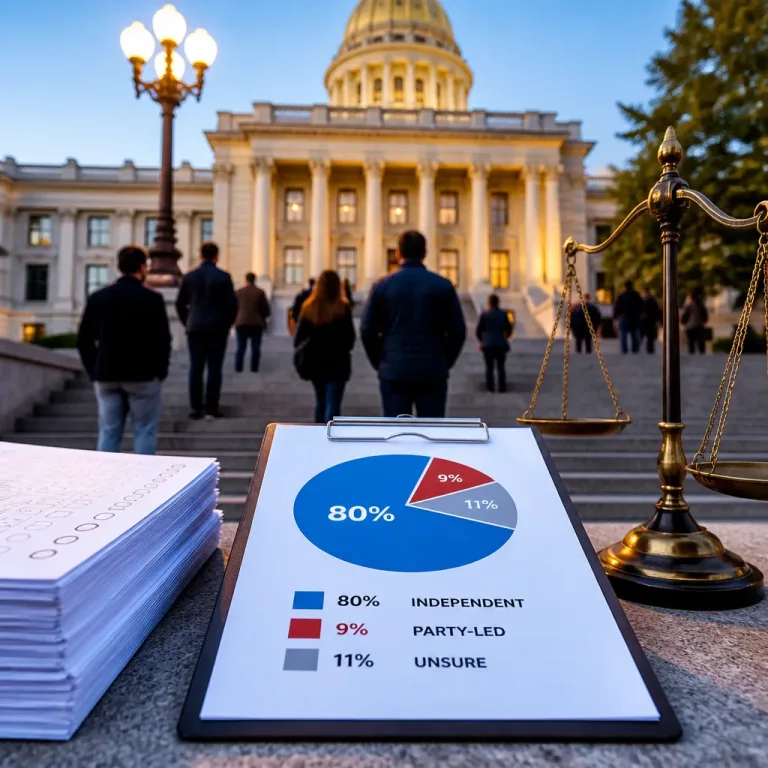
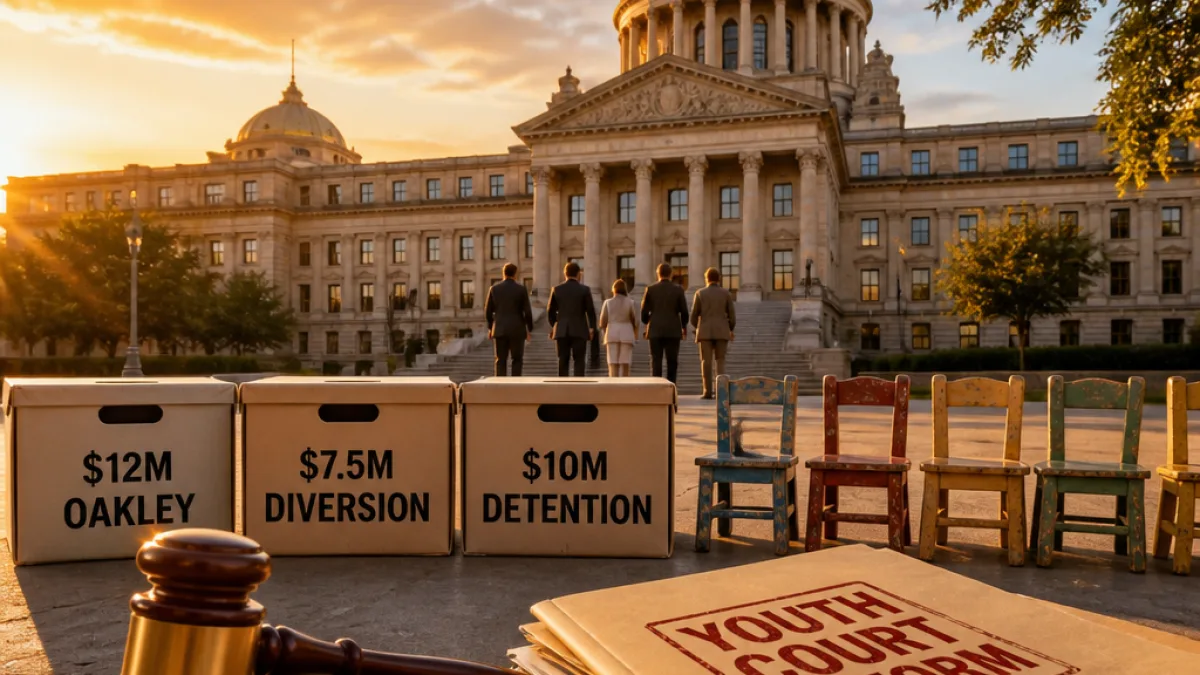
JACKSON — Mississippi senators on Tuesday night cleared a major youth court reform package that would remake how the state handles juvenile cases across all 82 counties, but lawmakers warned the overhaul leaves unanswered questions about legal gaps, mental-health funding and local control.
What the bills would do
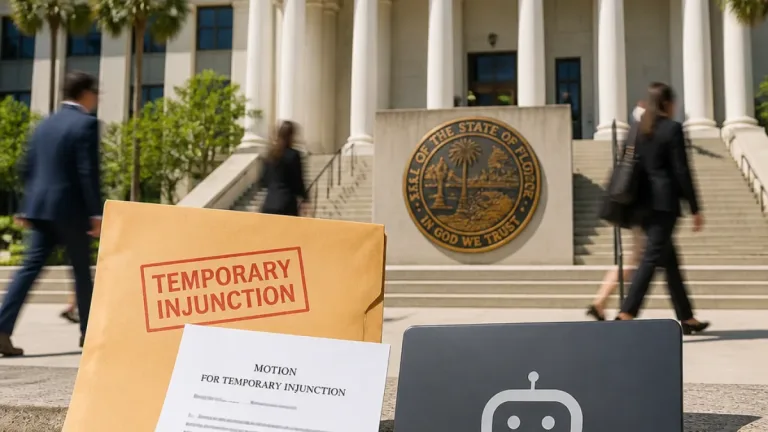
The legislative package sent by the Senate Judiciary A Committee to the full Senate is composed of four bills designed to move the state toward a more uniform youth court system and to shore up operations after state statutes governing youth court confidentiality expired June 30. That expiration prompted lawsuits and an immediate judicial intervention as courts worked under a temporary extension.
- Statewide structure: The bills create a transition framework that lets counties either keep their current youth court arrangements or convert cases to a Chancery Court model.
- New judges: The plan phases in 10 new chancellor positions beginning in 2027 to expand full-time judicial coverage.
- Due process and procedures: The legislation would require oral court orders to be reduced to written form within 48 hours and includes added protections for court process.
- Programs and capacity: The package proposes expanded evidence-based diversion programs for some youth offenders and increased secure detention for violent juvenile offenders.
Funding tied to the overhaul
Lawmakers also debated a separate $29.5 million funding package to support the changes. The funding proposal would allocate:
| Recipient | Amount | Purpose |
|---|---|---|
| Department of Human Services | $12 million | Renovations at Oakley Youth Development Center |
| Department of Human Services | $7.5 million | Statewide diversion and intervention programs |
| Department of Public Safety | $10 million | New secure youth detention facilities in North and South Mississippi |
Immediate legal pressure and political concerns
Gov. Tate Reeves called the special session after the confidentiality statutes expired June 30, creating what state leaders described as a legal vacuum and prompting lawsuits. A judge set a court deadline that was approaching Wednesday, and the Mississippi Supreme Court extended existing handling of youth court cases only through July 24.
"The special session is necessitated by the June 30th expiration of statutes, relating to the disclosure of youth court records," Reeves said during a news conference. "The people responsible for protecting children, representing families, enforcing the law and administering justice need clear laws from the Mississippi legislature."
Despite that urgency, senators pressed authors about how the package was assembled and who had influence over its final language. Sen. Bradford Blackmon, a Democrat, pushed back on claims that top leaders had already reached a complete agreement, signaling lingering disagreement in the chamber.
Lawmakers also expressed concern about a potential mental-health funding gap and whether the funding included in the current proposal would be sufficient for expanded services and for renovating and expanding bed capacity at Oakley. State Sen. Brice Wiggins told reporters the governor’s plan includes millions to upgrade Oakley from its current capacity — a topic that drew particular attention during committee discussion.
Local impact and next steps
Right now only 24 of Mississippi’s 82 counties have a full-time youth court judge. If enacted, the bills would gradually expand full-time judicial coverage and alter how juvenile matters are managed statewide. The Senate floor was expected to vote on the package later Tuesday night, with the House standing by to vote on the funding bill once the Senate concluded action.
For communities across Mississippi, the outcome will affect where juvenile cases are heard, how quickly orders are recorded and whether counties must adopt new court models or hire different types of judges. Officials and providers who work with youth services will also be watching how the proposed funds are distributed and whether additional appropriations will be needed for mental-health and diversion programming.
The situation remains fluid: lawmakers must reconcile procedural concerns and funding details before the temporary judicial extensions expire in late July.