The Oklahoma State Department of Health says at least 56 laboratory-confirmed cases of cyclosporiasis in Oklahoma are linked to a contaminated batch of shredded lettuce under investigation by the U.S. Food and Drug Administration.
State and federal agencies join trace-back effort
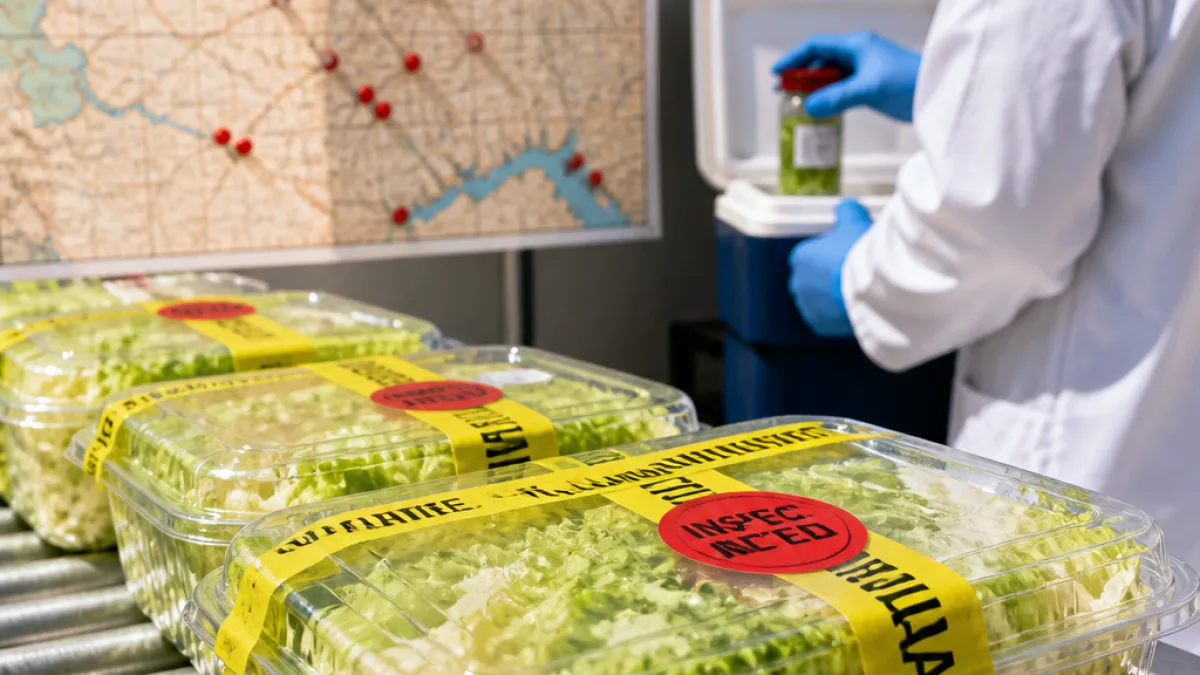
OSDH officials are working with FDA investigators to identify the precise source and distribution of the lettuce product. The FDA has been tracing shipments tied to an identified grower, including products from Taylor Farms, as part of a broader national probe.
Nationally, the outbreak has been large: health authorities report more than 5,100 cases across the country so far this year. Oklahoma’s confirmed cases represent the state portion of that wider pattern.
What Oklahomans should know and do
- If you develop persistent watery diarrhea or other gastrointestinal symptoms, contact a medical professional for evaluation.
- Laboratory testing is required to confirm cyclosporiasis; clinicians may need to order specific tests if they suspect the infection.
- Those with confirmed infections should follow treatment guidance from their health care provider. Public health officials remind people to stay home while ill to reduce spread.
Local health officials will continue to update case counts and guidance through the OSDH surveillance tools, including the state’s ViralView platform. Investigators are working to determine which restaurants or retail locations received the affected lettuce and whether additional products are involved.
Impact and context for Oklahoma
While Oklahoma’s 56 confirmed infections are a fraction of the national total, any outbreak tied to a widely distributed food item raises concerns about ongoing exposures. Officials emphasized that tracing the supply chain is essential to removing contaminated products from circulation and preventing more illnesses.
| Measure | Number |
|---|---|
| Oklahoma laboratory-confirmed cases | 56 |
| Reported U.S. cases this year | 5,100+ |
Officials urge consumers to check product recall notices and to follow updates from OSDH and the FDA. The agencies will publish more details as traceback information is confirmed and as they identify specific restaurant chains, stores, or lot numbers tied to illnesses.
Public health investigators typically rely on patient interviews, purchase records and supplier shipping data to link illnesses to a particular food. That process can take days to weeks, depending on how many facilities and distribution points are involved.
For now, Oklahomans who are concerned about possible exposure or who are experiencing symptoms should contact their health care provider promptly for testing and guidance.