New Hampshire has recorded two confirmed cases of cyclosporiasis, state health officials said, as the Centers for Disease Control and Prevention continues to track infections across the country.
What health officials are watching
Cyclosporiasis is caused by the parasite Cyclospora, which spreads when people consume food or water contaminated with fecal matter. The illness often presents as prolonged gastrointestinal symptoms and can be difficult to detect without specific laboratory tests.
The CDC is monitoring cases in 31 states, and the New Hampshire Department of Health and Human Services (DHHS) said the Granite State has historically seen between 2 and 9 cases annually over the past five years. While most infections are treatable with antibiotics, public-health officials are urging residents to be alert for persistent symptoms and take precautions when handling fresh produce.
Symptoms, testing and when to seek care
Emergency physician Dr. Dilip Yarabothu, who discussed the illness on local television, stressed that symptoms can come and go and that routine parasite screens may miss Cyclospora. He advised patients to pursue specific testing when diarrhea lasts several days or is accompanied by cramping and dehydration.
"If you're having several days of diarrhea, if you're not getting better abdominal cramping, you're becoming dehydrated, then I think it's reasonable to go seek out medical attention, before it's weeks."
Dr. Yarabothu also noted that the parasite does not always appear in a single stool sample because it can be shed intermittently. In some cases, clinicians may ask patients to collect stool samples multiple times over several days to improve the chance of detection.
Precautions for consumers
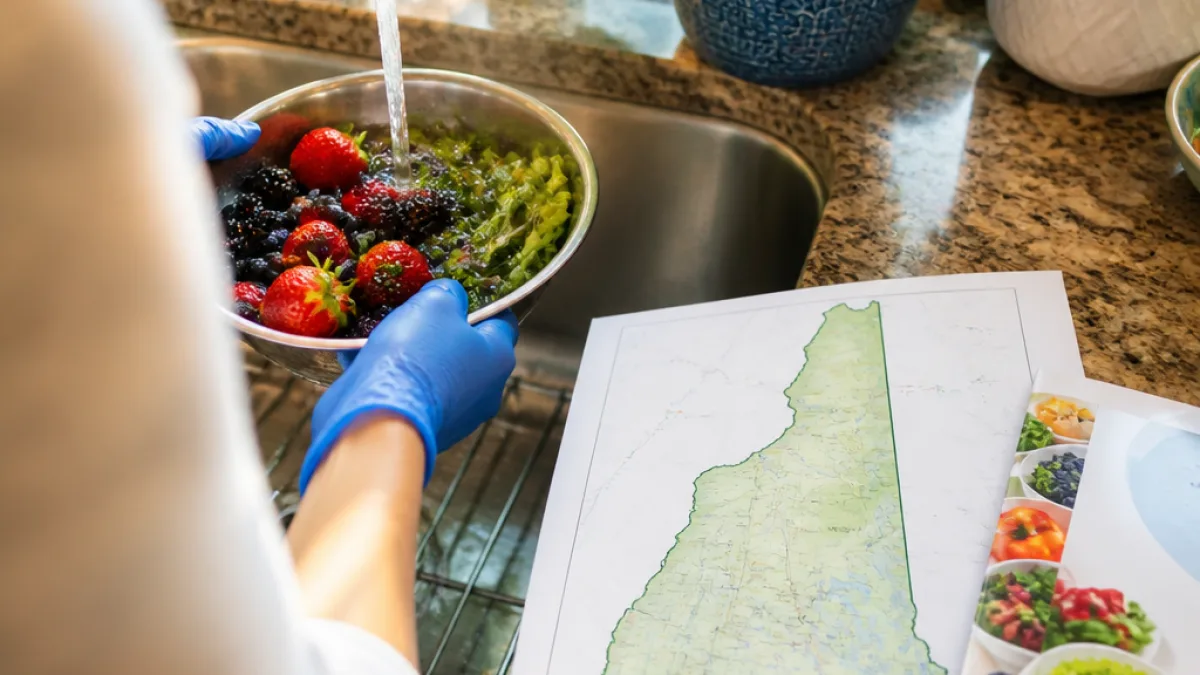
Health experts recommend practical steps to reduce risk when handling fresh fruits, vegetables and herbs this summer:
- Wash produce thoroughly under running water before eating or cooking.
- Avoid high-risk items that are difficult to clean, such as loose leafy greens, salad mixes and delicate herbs like basil when contamination is suspected.
- Stay hydrated and seek medical attention if diarrhea is severe or lasts several days.
Treatment for cyclosporiasis is available with antibiotics when the diagnosis is confirmed, but early recognition and testing are important because the parasite may not show up on standard parasitology panels.
Local context and public health monitoring
DHHS data show that in recent years New Hampshire has typically identified a small number of cases annually, ranging from 2 to 9. That historical pattern means a pair of confirmed cases this summer aligns with previous, low-level detection — but it also underscores the difficulty of identifying the parasite without specific testing and vigilance.
| Metric | Value |
|---|---|
| Confirmed New Hampshire cases (current) | 2 |
| States reporting cases (CDC) | 31 |
| New Hampshire cases, typical annual range | 2–9 |
Health officials continue to monitor the situation and advise residents to practice safe food handling and to contact their healthcare provider if they experience ongoing symptoms consistent with cyclosporiasis.
As the summer produce season unfolds, simple precautions and awareness can reduce risk while clinicians and public-health agencies track and respond to cases across the region.