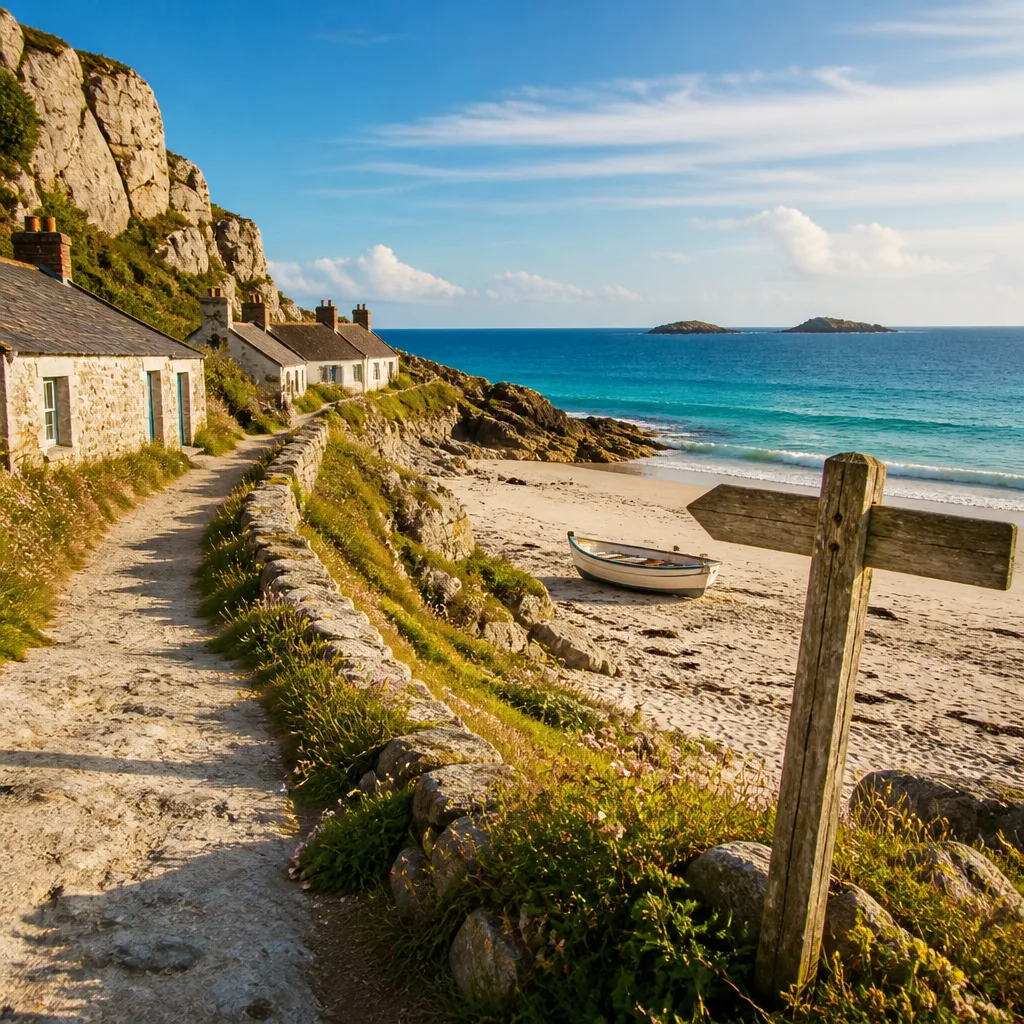
If you’re tired of jostling for a sunbed or waiting for a table at dinner, consider rerouting to one of the globe’s quieter corners. From Spain’s green Atlantic coast to a tiny Canary Island and remote Greek isles, there are plenty of places where tranquility still rules and tourism feels gentle rather than overwhelming.
Look beyond the hotspots
Popular destinations can be magical — but they’re not the only option. For a less crowded Spanish coast, head to Galicia on the northwest edge of the country. The region’s exposed cliffs, Atlantic beaches and small villages offer a very different pace from the busy Costas; the village of Vilacoba is highlighted as an ideal base for exploring nearby sands and countryside without the crush of mass tourism.
Want island life without queues? The Canary archipelago has a secret: El Hierro, the smallest of the main islands, is for slow hikes, dramatic sea views and an intentionally unhurried tempo. It’s where nature dictates the schedule.
Italy, Greece and beyond
Italy’s quieter regions can be equally alluring. Swap the well-trodden paths for Basilicata, a region that sees far fewer visitors than neighboring Puglia. The coastal hamlet of Acquafredda di Maratea offers Blue Flag beaches tucked beneath cliffs — a calmer seaside alternative.
In Greece, instead of Santorini or Mykonos, consider Alonissos, the most remote of the Sporades. Its small waterfront villages, traditional tavernas and the presence of Europe’s largest marine park make it a destination for slow travel and wildlife-minded visitors.
"Every destination – including tourist hot spots like Spain, Greece and Japan – has its quieter corners,"
Coastal peninsulas, vineyards and wild islands
The Bozburun Peninsula in Türkiye is dotted with unspoilt settlements — Selimiye, Orhaniye and Bozburun — where authentic local life still takes precedence over packaged tourism. For wine lovers seeking a lesser-known region, Moldova (noted as a once-undiscovered vineyard area) offers a quieter alternative to crowded Bordeaux or Tuscany.
Across the Atlantic, the Caribbean’s Dominica earns its nickname “nature island” for a reason: volcanic landscapes, rugged interior trails and black-sand beaches mean fewer resorts and more unplugged time. And while the original story mentions destinations further afield, each follows a similar rule: selecting smaller, less-promoted pockets often yields a more peaceful experience.
Practical tips for finding tranquility
- Choose smaller islands or villages rather than the headline-grabbing destinations.
- Travel shoulder season where possible to reduce crowds while maintaining pleasant weather.
- Base yourself in a quiet village and take day trips to busier sights instead of staying in the tourist hub.
Below is a quick reference table of calm alternatives mentioned:
| Popular region | Quieter alternative | Why it’s calmer |
|---|---|---|
| Spanish coast (Costas) | Galicia (Vilacoba) | Fewer tourists; Atlantic beaches and countryside |
| Canary Islands (general) | El Hierro | Smallest main island; hiking and sea views |
| Southern Italy (Puglia) | Basilicata (Acquafredda di Maratea) | Less visited; cliffs and Blue Flag beaches |
| Greek hotspots | Alonissos (Sporades) | Remote island; marine park and traditional tavernas |
| Turkey’s Aegean coast | Bozburun Peninsula (Selimiye, Orhaniye) | Unspoilt seaside villages |
| Busy wine regions | Moldova | Under-the-radar vineyards |
| Caribbean resorts | Dominica | Volcanic terrain; fewer resorts |
If your goal is genuine rest, look for places where the landscape sets the pace. Whether that’s a Galician fishing village, a tiny Canary Island or a quiet Greek isle, these alternatives deliver space, slower service and a chance to recharge without competing with crowds.
Pack lightly, allow extra travel time to reach off-the-beaten-track spots, and book accommodations in advance when options are limited. With those few practical steps, you can swap the scramble for serenity and come home feeling refreshed.