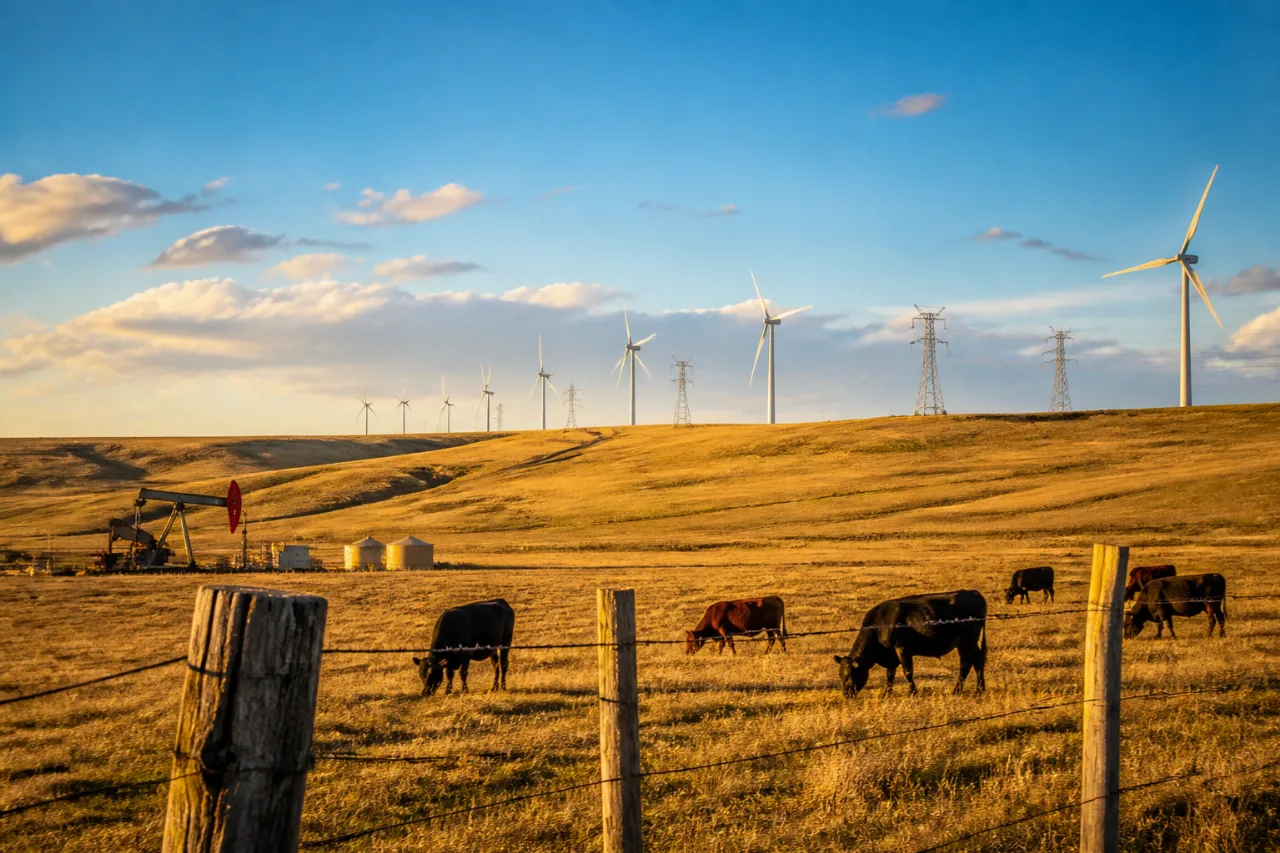
An opinion piece published Friday asserts that federal incentives for large-scale wind projects threaten to transform Wyoming's open country — particularly in southeastern counties around Cheyenne — into landscapes dominated by turbines, transmission lines and associated infrastructure.
Author frames energy debate around local values and land use
The column opens with a reminder of Wyoming's long history as an energy-producing state, listing the resources that have supported local jobs and revenues: coal, oil, natural gas, uranium and trona. It argues that residents understand energy development because they live with it, and that responsible development balances jobs, private property, reclamation and local tax revenue.
But the piece warns that industrial-scale wind, as currently promoted with federal preference and support, risks a different kind of transformation: one that substitutes towers, blades, blinking aviation lights, access roads, substations and transmission corridors for the wide-open horizons that define much of Wyoming.
- Local character at stake: The author contends that ridgelines, migration corridors and dark skies are central to Wyoming identity and should not be treated as vacant land for distant policymakers to allocate.
- Economic argument: The column challenges the notion that wind is ready to stand on its own economically, pointing to reliance on federal incentives such as the Production Tax Credit.
- Land-use concerns: Industrial wind projects are described as bringing permanent infrastructure that can alter ranching, wildlife habitat and scenic vistas.
Implications for counties and state policymakers
For county officials and landowners in southeastern Wyoming, the piece underscores a set of policy choices: whether to welcome large wind projects with the prospect of lease revenues and tax base growth, or to insist on stricter scrutiny and local control to protect landscapes and wildlife corridors. It frames the debate as one between ongoing energy development rooted in local economies and a federally encouraged form of development that the author sees as dependent on taxpayer support.
| Energy resources named | Local role |
|---|---|
| Coal | Historic employer, tax base contributor |
| Oil & natural gas | Current production supporting jobs and services |
| Uranium | Mineral resource tied to national security and industry |
| Trona | Industrial mineral with regional economic impact |
The column urges policymakers and citizens to treat industrial wind development with greater scrutiny, noting that if wind is truly competitive it should not require extensive federal subsidies to proceed. It emphasizes local perspectives on land use and identity, arguing that Wyoming’s horizons are part of the state’s economic and cultural foundation and not empty spaces for external decisionmaking.
State and local leaders weighing energy proposals will confront competing priorities: attracting investment and diversifying revenue streams, while preserving the landscapes, wildlife habitat and agricultural uses that many residents regard as essential to Wyoming's character.
As counties and the state consider permitting and land-use decisions, the column signals a push for stronger local review of industrial wind projects and continued debate over the role of federal incentives in shaping Wyoming’s energy future.