ANCHORAGE — The Alaska Democratic Party sued the Alaska Division of Elections this week, alleging election officials improperly cleared a Republican candidate who failed to provide required financial disclosures when filing to run for the state House.
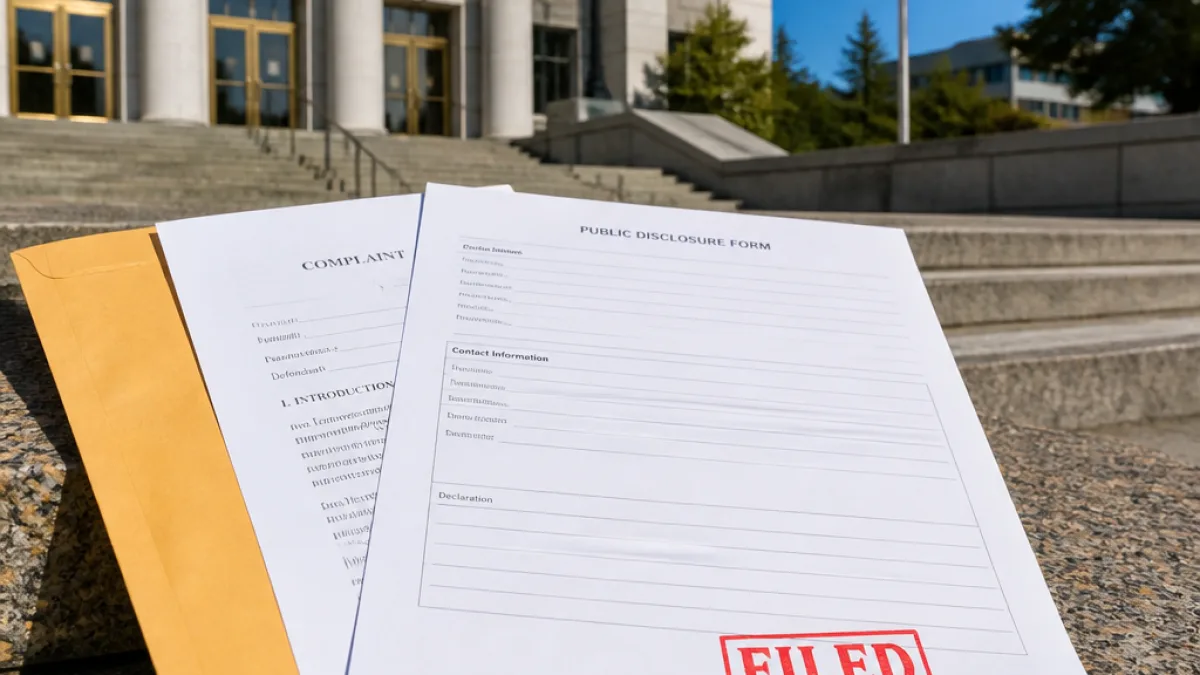
The complaint centers on Jose Anthony Tagle, the lone challenger to Democratic incumbent Rep. Ted Eischeid in Anchorage’s House District 22. According to the party’s filing, Tagle submitted a blank Public Officer Disclosure Form with his candidacy paperwork—omitting income and business interests that state law expects to be reported.
What the complaint says
The Alaska Democratic Party formally contested Tagle’s eligibility in June after the empty disclosure form was filed. The party cites the legal requirement that candidates disclose sources of income and business ties under oath.
“file a statement giving income sources and business interests, under oath and on penalty of perjury.”
Division of Elections Director Carole Beecher rejected the party’s challenge, saying the form itself is overseen by the Alaska Public Offices Commission, not the Division of Elections. The lawsuit argues that denial was improper.
Details cited in the suit
Public records and social media referenced in the complaint portray Tagle as a small-business owner and list him as director and president of a company called Stardust Limited Liability Corp. The disclosure he filed lists no income, including Permanent Fund dividends, which are typically reported on such forms.
- Candidate: Jose Anthony Tagle, challenger in House District 22
- Incumbent: Rep. Ted Eischeid (D)
- Agency disputed: Alaska Division of Elections vs. Alaska Public Offices Commission responsibilities
Attempts to reach Tagle were unsuccessful; the phone number provided on his candidacy application did not accept new messages. The publicly listed residence for Tagle is the Anchors Way Inn in Anchorage, a property the complaint indicates he owns.
Why it matters
The lawsuit raises questions about how elections officials enforce disclosure rules and which agency bears responsibility for verifying forms central to transparency in public office. In past eligibility disputes, the Division of Elections has examined public records such as hunting and fishing license applications to determine residency or other qualifications. The Democratic Party says that approach should extend to verifying required financial disclosures.
| Action | Source |
|---|---|
| Candidacy filing with blank disclosure | Candidate paperwork |
| Eligibility challenge | Alaska Democratic Party complaint |
| Division response | Division of Elections director |
The case is now before the courts. The suit could clarify how disclosure rules are applied and whether the Division of Elections must reject candidates whose required forms are incomplete, or whether responsibility for that determination rests solely with the Alaska Public Offices Commission.
The outcome may affect not only the race in District 22 but broader procedures for vetting candidates across the state as Alaska prepares for the upcoming election cycle.