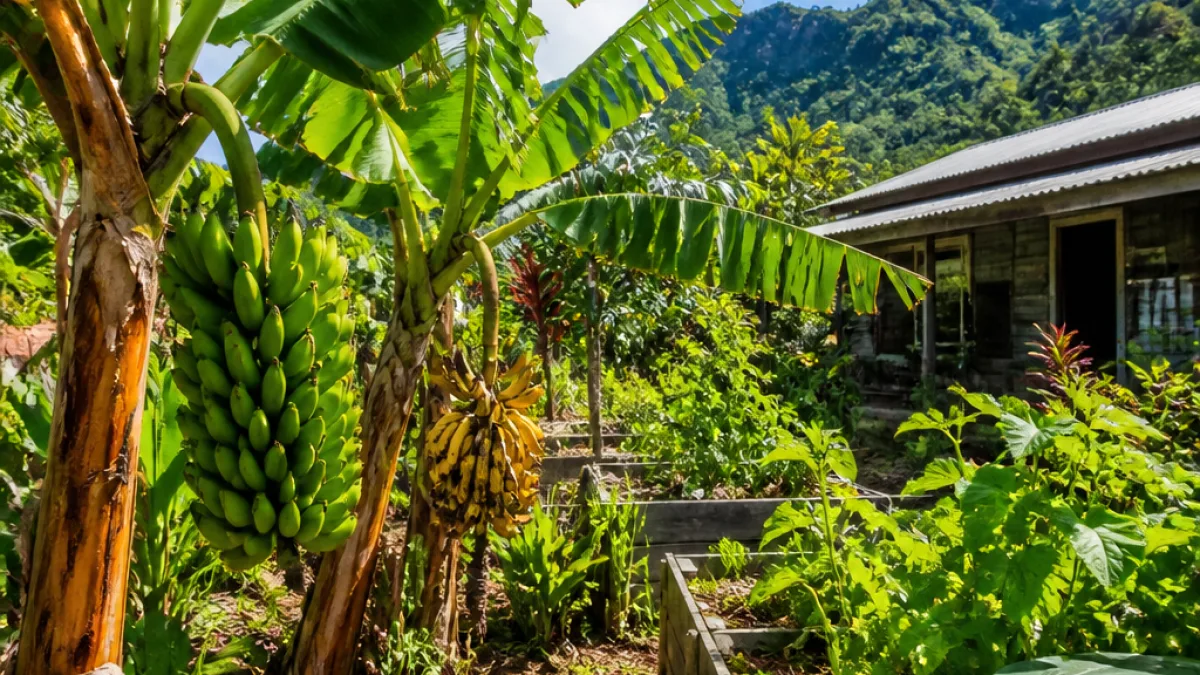
Hawaii’s humid tropics continue to favor banana production, offering residents an abundant, nutritious crop that has been part of island life for centuries. Home gardeners and small-scale farmers across the islands benefit from high yields during the summer months, while larger-scale production presents economic and logistical challenges.
Local climate and a long history
Bananas trace their origins to Southeast Asia and New Guinea, and humans have carried the plant through the tropics for thousands of years. In Hawaii, the plant has cultural, culinary and practical importance, from food and traditional medicine to textiles and temporary roofing materials.
Experts note that there are more than 1,000 varieties of banana globally, and archaeological evidence links human association with the fruit to as far back as 30,000 years. That long relationship helps explain its adaptability across the islands’ microclimates.
Uses and benefits for island residents
Home-grown bananas are valued not only for taste but for nutrition, particularly as a source of potassium. For many households, backyard bunches reduce grocery bills and provide versatile ingredients for recipes ranging from smoothies to fried snacks.
- Common culinary uses: smoothies, pancakes, bread, chips, dried fruit
- Nutritional benefit: rich in potassium and other nutrients
- Non-food uses: cloth, dyes, animal feed and temporary roofing
For backyard gardeners, the season often yields more fruit than a single family can consume, prompting sharing among neighbors or creative preservation methods.
Challenges for commercial growers
While the islands’ environment is well suited to producing flavorful bananas, scaling up from a home garden to commercial farming adds complexity. Pest management, labor, transport and market competition make banana farming a gamble for those seeking to sell at scale.
| Fact | Detail |
|---|---|
| Varieties worldwide | More than 1,000 |
| Human association | Up to 30,000 years |
| Origins | Southeast Asia and New Guinea |
For Hawaii residents considering bananas for home plots, the crop is low-risk and highly productive in the right microclimate. For commercial producers, the rewards can be substantial but require attention to agronomy, markets and distribution.
As interest in local food systems grows, bananas remain a practical crop for island selfsufficiency and a reminder of the deep agricultural connections that shape Hawaii’s landscape.